The push for renewable energy in Japan is creating fierce local conflicts, as large-scale solar farms threaten pristine nature, cultural heritage, and community safety, raising questions about the true cost of "green" power.
Landslides and Shoddy Construction
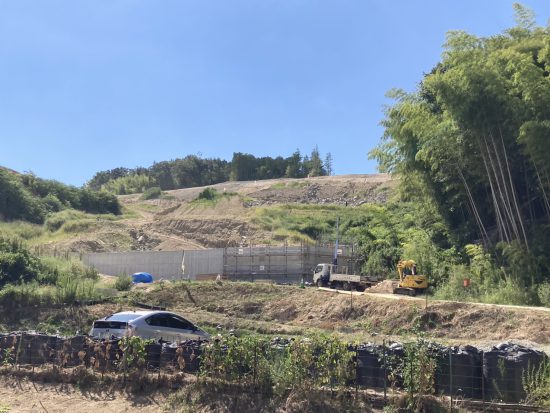
In Heguri Town, Nara Prefecture, a project to install over 50,000 panels in untouched forestland led to a disastrous landslide this May after heavy rain. Local residents, led by a certified civil engineer, allege the developer cut corners, even falsifying gradient numbers to get permits. The resulting collapse sent mud flowing onto town roads, narrowly avoiding tragedy.
Industrial Waste and Legal Battles
Further investigation revealed an even more alarming problem: industrial waste was mixed into the landslide debris used for the project's embankments. Residents have sued to stop the construction and revoke its permit, with a appeal hearing set for November. They are also considering criminal charges for violation of waste disposal laws.
A Tomb in a Sea of Panels
Elsewhere in Nara, a different solar project has drawn criticism for its impact on cultural heritage. The "Tumulus Solar" site features an ancient burial mound, a protected cultural property, completely surrounded and dwarfed by solar panels, with only the top of the tomb visible. While it legally operates, preservationists worry about long-term management and the visual degradation of historic sites, lamenting the low public awareness of the issue.
The Question of Long-Term Responsibility
A major concern shared across these projects is the end-of-life plan. With panels having a finite lifespan, citizens worry about who will be responsible for the costly removal and disposal decades from now, especially if operating companies abandon the sites, leaving behind environmental and aesthetic scars.