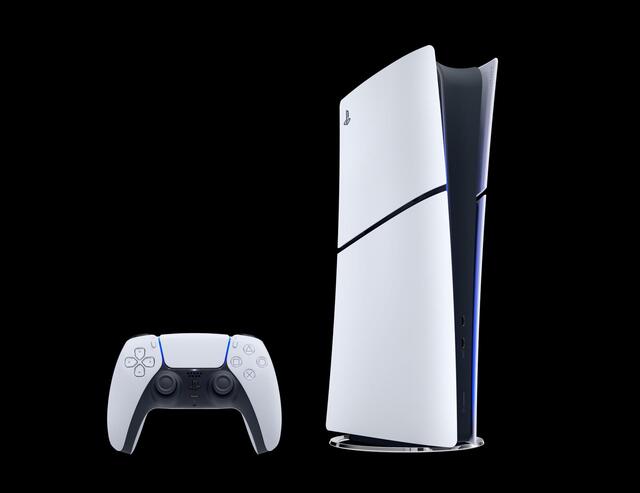
Sony Interactive Entertainment will release a Japan‑only PlayStation 5 on November 21, introducing a disc‑less, Japanese‑language model priced at ¥55,000—¥17,980 cheaper than the current multilingual configuration. Announced on November 12, the date marking the fifth anniversary of the original PS5’s debut, the new variant underscores Sony’s bid to expand its domestic user base while curbing gray‑market exports and steering more players toward digital distribution.
What Sony is launching
Branded as the “PlayStation 5 Digital Edition (Japanese‑only),” the console drops the optical drive and is intended exclusively for use within Japan. Sony says it has adjusted certain specifications and limited the model’s functionality to the domestic market, a move widely read as a countermeasure against overseas resale. By offering a localized interface and support environment—while trimming hardware components—the company can cut retail pricing without undermining broader product tiers.
Why this matters now
The timing is deliberate. The PS5 hit store shelves five years ago on November 12, 2020, amid pandemic‑era supply disruptions that led to prolonged shortages and fueled a flourishing gray market. In 2025, supply is stable and the platform’s global install base numbers in the tens of millions, but Sony still faces a unique challenge in its home market: converting fence‑sitters and late adopters in a country where Nintendo’s Switch has dominated sales for years and where physical game purchases long remained sticky. A digital‑only, lower‑priced PS5 designed squarely for Japan is meant to lower the barrier to entry and broaden the console’s footprint among price‑sensitive buyers, students, and families upgrading from older systems.
Price, positioning, and the push to digital
At ¥55,000, the new model undercuts the current multilingual PS5 by ¥17,980, creating a more distinct step into the PlayStation ecosystem. The omission of a Blu‑ray disc drive helps reduce manufacturing costs and nudges users toward the PlayStation Store for downloads and subscriptions. For Sony, digital adoption is strategically attractive: it streamlines distribution, increases direct engagement, and supports recurring revenue via services such as PlayStation Plus. For consumers, the model offers immediate access to a large library of digital titles, frequent sales, and cloud backup options—balanced against the lack of physical media ownership and the need for robust broadband and adequate storage.
Domestic‑use only: a guardrail against gray exports
By limiting the unit to domestic use and tweaking its specifications, Sony is signaling a tougher posture toward exporters and scalpers who once siphoned inventory to markets where prices or availability were more favorable. While the company has not disclosed the technical enforcement details, the intent is clear: ensure that supply intended for Japanese consumers actually reaches them, and that post‑sale support remains local. That approach should also make retail allocation more predictable for Japanese chains and e‑commerce platforms, potentially reducing the distortions that plagued the PS5’s early life cycle.
A familiar form factor with a different emphasis
Functionally, the Japanese‑only PS5 Digital Edition delivers the same core proposition—current‑generation performance, access to Sony’s first‑party lineup, and compatibility with a broad library of third‑party games—while tailoring the out‑of‑box experience to Japanese speakers. The operating system, system menus, and official support will focus on Japanese, which for many mainstream households can be a convenience rather than a limitation. Players who have already embraced digital purchases on PS4 or PS5 will find the transition natural, aided by cross‑buy offers, cloud saves for PlayStation Plus members, and external storage options for PS4 titles and cold storage of PS5 games.
Reading the market
Japan’s console market has been intensely competitive, with handheld‑friendly and hybrid experiences resonating particularly strongly. Sony’s strategy here leans into two realities. First, digital consumption has accelerated in Japan alongside streaming, mobile gaming, and cashless payments, making a disc‑less console far more viable than it would have been a decade ago. Second, price sensitivity has grown amid cost‑of‑living pressures, and a favorable entry price can be decisive for families weighing a new console against a crowded entertainment landscape. The lower ticket for a PS5 that remains fully current on performance and features—minus the disc drive—gives retailers a compelling pitch as the holiday season approaches.
What consumers should consider
For prospective buyers, the trade‑offs are straightforward. Advantages include a lower upfront cost, a seamless digital storefront, and the convenience of instantaneous downloads and updates. The limitations: no playback of physical PS5 or PS4 discs and reliance on internet connectivity and storage capacity. Households with slow broadband or those who value trading or lending discs may prefer a model with a drive. For everyone else—especially digital‑native players already amassing libraries of downloads—the savings are tangible. Sony’s ongoing promotions on digital titles and subscription bundles could further tilt the calculus.
Retail rollout and availability
The Japanese‑only Digital Edition goes on sale domestically from November 21, with Sony indicating the unit is intended solely for use in Japan. Expect availability through major electronics retailers, online marketplaces, and Sony’s official channels, though exact allocations will vary by store. Given the model’s anti‑resale posture, retailers could employ stricter identity checks or purchase limits, as they did during earlier PS5 waves, to prioritize individual consumers over bulk buyers.
Implications for Sony’s broader roadmap
Though framed as a local initiative, the move provides a glimpse into how Sony can fine‑tune hardware offerings by market—altering language support, warranty scope, and configuration to hit specific price points without fragmenting the platform. A Japanese‑first play also carries symbolic weight: it reaffirms commitment to the domestic audience at a milestone moment for the brand and resets the narrative from scarcity and scalping to accessibility and choice. Whether similar language‑specific editions appear elsewhere remains to be seen; for now, the Japan‑only model looks purpose‑built for the country’s retail dynamics and consumer preferences.
The bottom line
By launching a ¥55,000 Japanese‑only PS5 Digital Edition on the console’s fifth anniversary, Sony is combining a sharp price, localized experience, and stricter domestic focus to court new users and blunt the temptation of gray exports. It is a pragmatic adjustment that aligns with the industry’s shift toward digital distribution and recurring services, and it could give Sony fresh momentum in its home market as the PS5 generation matures.