Reports that Beijing could tighten controls on rare-earth exports have sent a jolt through global markets, unsettling investors who know these obscure elements are the beating heart of electric vehicles, data centers, defense electronics and the clean-energy transition. The fear is familiar: a squeeze on inputs like neodymium, dysprosium and terbium could choke supply chains at their most sensitive nodes. Yet in the rush of headlines and algorithmic trades, a different current is already forming—one that favors “post-China” technologies and the companies capable of delivering them. In Japan, that current has a name: Minamitori.
From panic to positioning: Japan’s deep-sea card
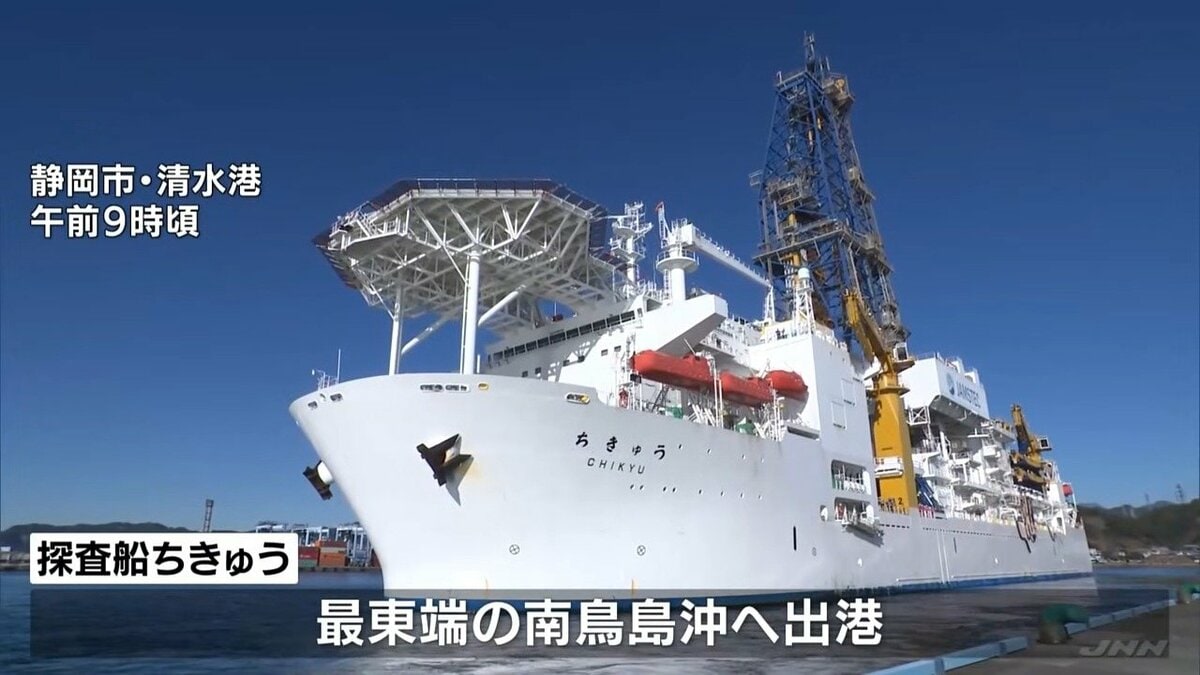
Minamitori Island, a remote speck at the southeastern edge of Japan’s exclusive economic zone, sits above seabed mud deposits believed to hold enormous concentrations of rare-earth elements. For years, Japanese researchers and agencies have explored whether these deposits can be lifted from the abyss and processed at scale. If that science crosses the commercial Rubicon, Japan could flip from resource-scarce to a consequential supplier in one of the century’s most strategic commodity chains.
That scenario has made Toyo Engineering Corporation (6330) the stock to watch. The plant engineering heavyweight is, according to market chatter and industry documentation, closely involved in the Minamitori deep-sea project’s engineering concepts. As China’s possible export clampdown ricochets through trading screens, Toyo Engineering has been cast as a “main contender”—a beneficiary-in-waiting should Tokyo decide to accelerate domestic sourcing regardless of near-term cost.
A pro’s caution: don’t confuse headlines with cash flows
“Within the rare-earth restriction trend, Toyo Engineering (6330) is undeniably the front-runner,” says investor and trader Tsuyoshi Kubota. “The company is deeply involved in the project to extract rare earths from the deep sea around Minamitori. But we have to stay calm: this is not yet at the realization stage. Technically it’s becoming possible, but whether it makes commercial sense remains unproven. We are still in the survey and demonstration phase. The stock has surged on expectations, and there is a clear sense of froth at these levels.” He adds that if China were to signal an outright halt—“we aren’t selling anymore”—Japan would likely mobilize public funds to secure supply even at a loss, sending a torrent of capital and opportunity toward companies like Toyo Engineering. “Still, this is about Japan potentially holding a card to counter China. It does not mean the company’s profits will double tomorrow. The latest rally is driven more by speculation than by realized demand.”
Lessons from 2010—and how Japan de-risked
Japan has been here before. In 2010, amid diplomatic tensions, Beijing abruptly tightened rare-earth export quotas—an episode that spiked prices, rattled manufacturers and ultimately led to a World Trade Organization ruling against China’s measures in 2014. The shock catalyzed a quiet revolution in Japanese industry. Manufacturers redesigned motors to use less dysprosium, diversified supply via Australian producer Lynas, built recycling capacity, and refined processing know-how to extract more value from fewer atoms. The country’s response showcased a national advantage: turning pressure into process innovation. That is why, even as markets gyrate, Japan’s underlying footing is stronger than headlines suggest. The potential addition of deep-sea resources—if proven viable—would not replace existing strategies but complement them, giving Tokyo more levers to balance cost, security and sustainability.
What Minamitori must prove
The leap from pilot success to commercial reliability in deep-sea mining is formidable. Any Minamitori buildout would need: robust collectors operating 5,000–6,000 meters below sea level; riser systems to bring mineral-laden mud to the surface; onshore processing capable of finely separating rare-earth oxides; and, crucially, an environmental framework aligned with international best practice. Japan is well positioned to set high standards—leveraging its engineering rigor, ocean research institutions, and the Economic Security Promotion Act to align public funding with strategic outcomes. But the milestones that matter for equity holders are tangible: a defined project timeline, budgeted government support, pilot-to-commercial scale-up plans, offtake agreements with magnet and motor makers, and transparent environmental impact assessments. Until such catalysts arrive, pricing will swing on sentiment.
News-driven rallies: how professionals keep their distance
For retail investors tempted to chase “national policy” stocks, Kubota’s message is discipline. The pro playbook emphasizes: position sizing that survives volatility; focus on balance sheets and order backlogs rather than rumor; and a clear understanding of where speculation ends and cash flow begins. Watching the chart is not just about price lines—it’s about volume quality, liquidity pockets, and whether moves are confirmed across related peers such as subsea robotics, pump systems, filtration, or hydrometallurgy specialists. Professionals also map policy calendars: Diet sessions, METI and JOGMEC budget announcements, technology export rule updates, G7 communiqués on critical minerals, and allied cooperation with Australia, the United States and Europe. When the market “dances to the news,” pros widen the lens.
Beyond a single ticker: who else could win?
Toyo Engineering may be the headline, but a durable Japanese strategy would distribute value across the chain. Potential beneficiaries include: shipbuilders and subsea equipment makers for deepwater operations; materials recyclers enhancing scrap recovery of NdFeB magnets; advanced ceramics and filtration firms for processing; machine-tool companies enabling ultra-precise motor production; and software providers optimizing supply-chain traceability. Japanese firms’ strength lies in integration—turning components, process controls and quality management into competitive moats. That ecosystem resilience is why Japan can evolve under stress.
China risk is real—but not destiny
Beijing has already tightened export permit regimes for strategic materials like gallium, germanium and certain forms of graphite, and updated controls on rare-earth processing technologies. A sharper squeeze on rare-earth exports would be a serious blow to global manufacturing. Yet the long-term impact may again be paradoxical: the harsher the external pressure, the faster Japan and its partners invest in alternative sources, efficiency and recycling. In that sense, market volatility marks a transition—away from single-point dependence and toward a more redundant, resilient architecture with Japan at its core.
The bottom line
For investors, the question is not whether headlines matter—they do—but whether today’s price action corresponds to tomorrow’s earnings. On Toyo Engineering (6330), the narrative tailwind is undeniable and strategically important for Japan. But until the Minamitori project clears commercial hurdles, expect a gap between valuation and verifiable cash flow. Keep an eye on policy support, engineering milestones and offtake signals; build exposure in tranches; and be ready for sharp retracements as momentum cools. For Japan as a nation, the story is more straightforward. This is a country that has repeatedly converted resource pressure into innovation and market share. If rare-earth tensions intensify, Japan will not stand still—it will engineer its way forward, set standards others follow, and strengthen the economic security of its allies along the way. That is not hype. It is the country’s economic muscle memory.