Japan’s hit franchise raises a red flag
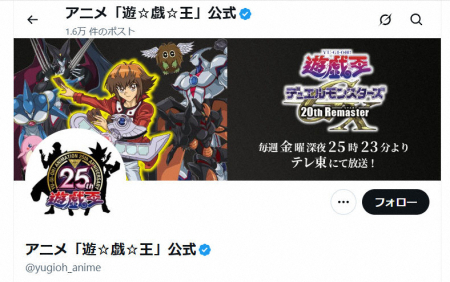
The official X (formerly Twitter) account for the anime Yu-Gi-Oh! announced on the 11th that footage from the series appeared in a video posted by the official White House X account without authorization from rights holders. In a statement shared in both Japanese and English, the franchise emphasized that neither the original manga creators nor the anime’s production and licensing partners had any involvement in the White House post and had not granted permission to use the intellectual property. The White House video, captioned “JUSTICE THE AMERICAN WAY,” reportedly runs roughly 40 seconds and intercuts Yu-Gi-Oh! clips with scenes reminiscent of Hollywood films such as Top Gun and Gladiator, alongside bombing imagery—an attention-grabbing montage that quickly fueled debate about copyright and political messaging online.
Context: Why this resonates far beyond fandom
Yu-Gi-Oh! is one of Japan’s most influential pop-culture exports, originating as a manga by the late Kazuki Takahashi before expanding into globally syndicated anime series and a trading card game enjoyed by millions. Beyond entertainment, it symbolizes the strength of Japan’s creative economy and the country’s reputation for world-class storytelling, artistry, and character-driven IP. For international viewers—and especially Japan-focused professionals and expats—this case underscores how Japanese cultural assets are interwoven with global media and how carefully they are protected by their owners. Japan’s content industry places a premium on creator rights and brand integrity; when top-tier IP is used in high-profile political contexts, rights holders typically seek clarity, attribution, or licenses to safeguard the work and its audience.
The legal and platform angle
Under U.S. law, some short, transformative uses of copyrighted works can fall under “fair use,” especially for commentary or parody. However, the boundaries are nuanced and fact-specific, and government-linked accounts face heightened scrutiny when employing entertainment IP for political messaging. Rights holders often turn to takedown mechanisms like the DMCA if they believe unauthorized reproduction exceeds fair-use protections. Cross-border enforcement adds complexity: Japanese IP owners frequently coordinate with international partners, platforms, and legal teams to address disputed uses. As of the Yu-Gi-Oh! statement, it was not immediately clear whether any formal takedown requests had been issued or whether the White House would adjust or remove the video.
A pattern of pop-culture flashpoints
Earlier this month (on the 5th), the White House account also drew attention with an image that evoked a Pokémon-style “slow-life” game aesthetic, featuring the campaign-era slogan “make america great again” and what appeared to be Pikachu. That post stirred its own round of discussion about mixing political themes with globally recognized, privately owned characters. While each case must be evaluated on its own facts, these moments highlight a broader trend: viral political messaging increasingly borrows the visual vocabulary of anime and gaming to tap into fandoms that Japan’s creative industries helped build.
Why Japan’s stance matters
Japan’s soft power thrives on trust—decades of consistent quality, careful stewardship of brands, and respect for creators. When iconic franchises like Yu-Gi-Oh! signal that their IP has been used without consent, it is also a message about standards: that even in fast-moving social media environments, rights should be observed. For businesses, content creators, and expats working with Japanese partners, this is a reminder to secure clear licenses and be mindful of regional norms. Respecting IP is not only a legal safeguard; it’s a long-term investment in relationships with Japan’s world-class creative community.
What to watch next
Key questions remain: Will the White House defend the edit as fair use, voluntarily swap out the footage, or remove the clip? Will X take any action if a formal complaint is filed? The Yu-Gi-Oh! statement did not specify next steps, but given the franchise’s global footprint, any resolution will be closely watched by media, fans, and policymakers. Regardless of the outcome, the episode is a timely case study in how Japanese cultural exports continue to shape—and challenge—the boundaries of political communication worldwide.