The Trade War Rekindled
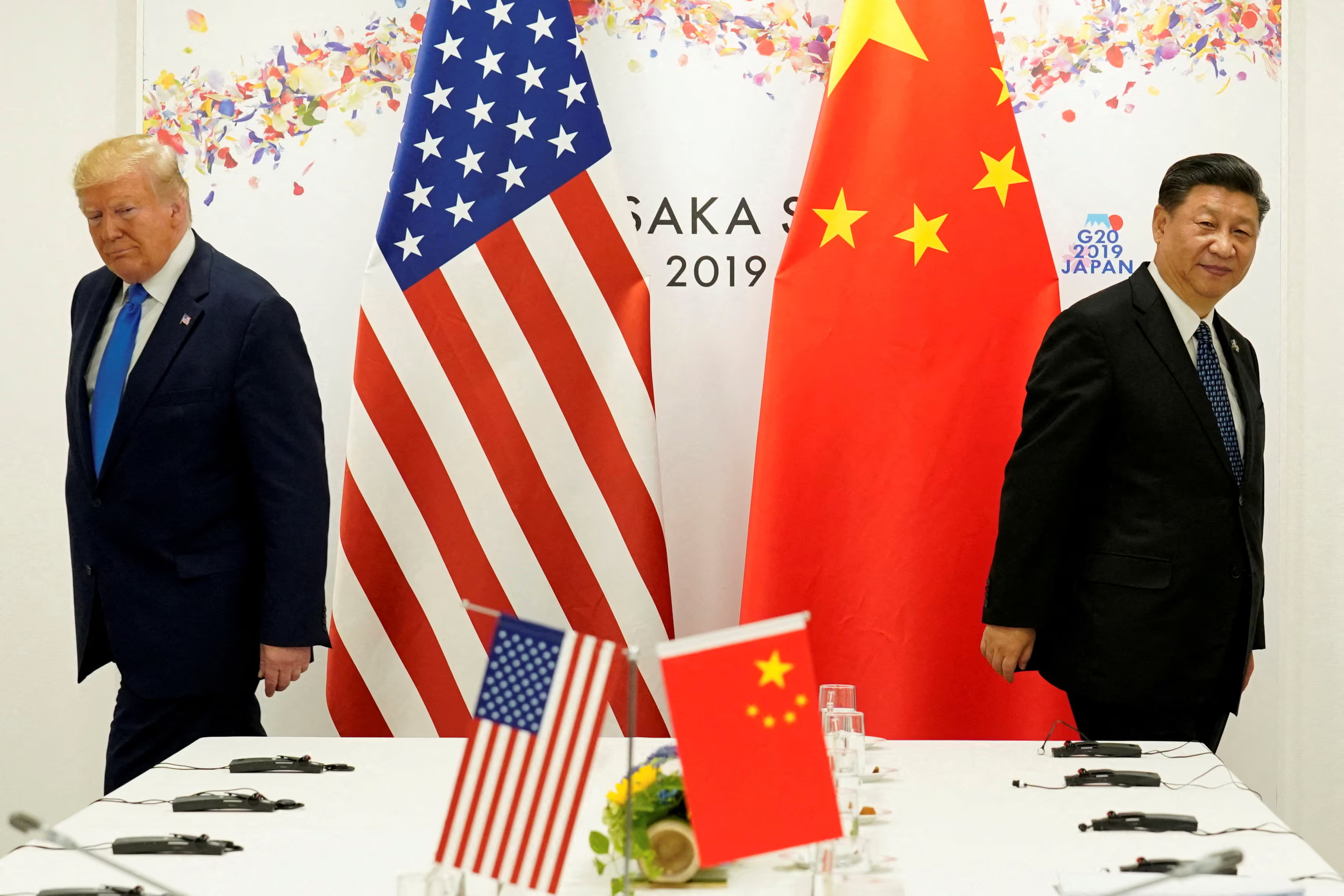
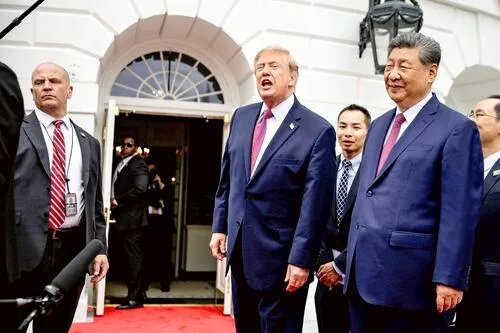
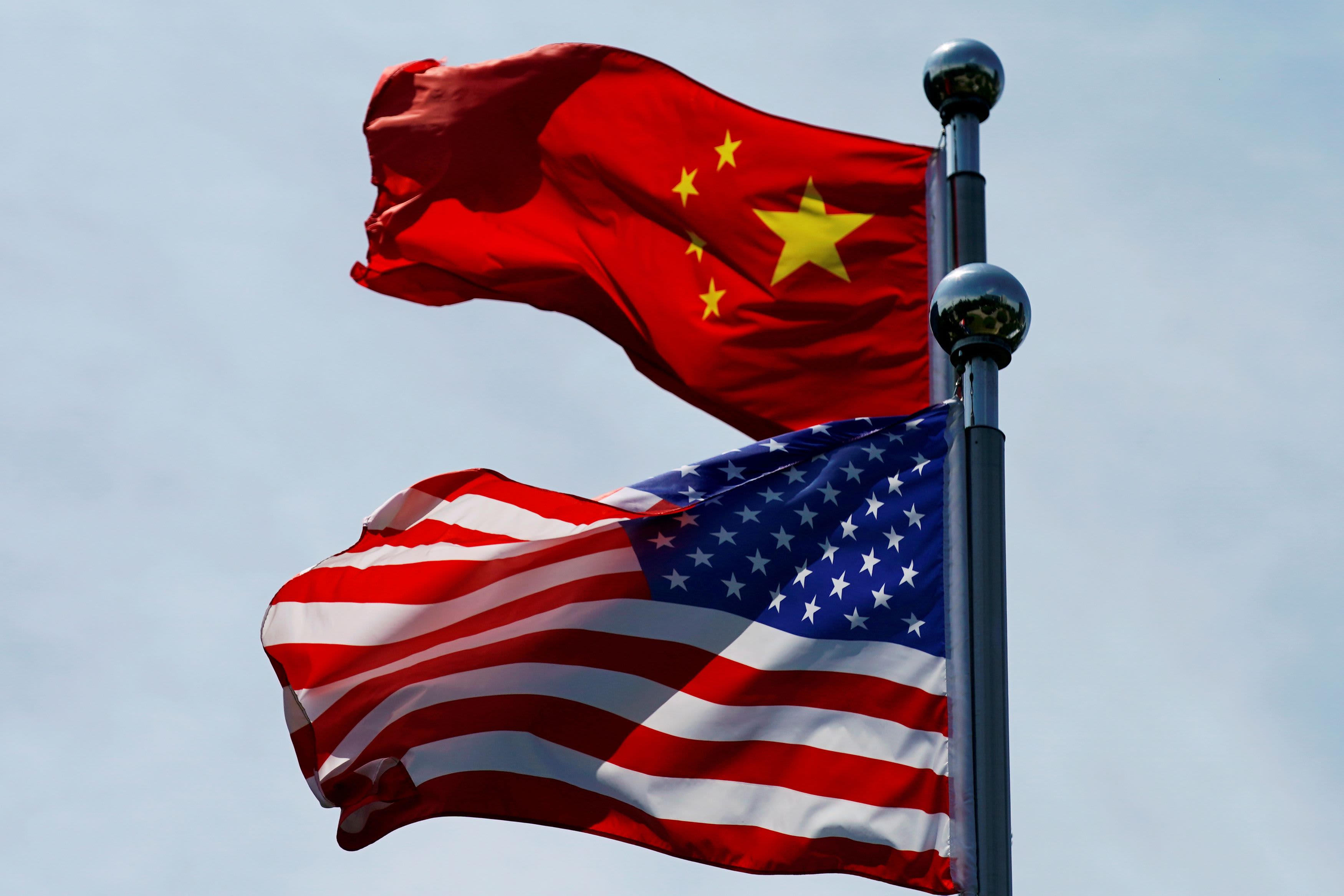
The long-simmering U.S.-China trade conflict has reignited with fresh intensity. On October 9, Beijing announced new export restrictions on rare earth technologies—a move clearly aimed at gaining leverage ahead of the November summit with Washington. In response, President Donald Trump retaliated swiftly, vowing on October 10 to double tariffs on Chinese imports, raising them to a staggering 100% starting November 1.
This escalation sent shockwaves through global markets. U.S. stocks plunged on fears of a prolonged trade war, while gold surged past $4,000 per ounce amid concerns over a weakening dollar and China’s growing gold reserves. The stakes are enormous: a full-blown tariff war could darken global growth prospects, disrupt supply chains, and intensify inflationary pressures worldwide.
China’s Pressure Play: The Rare Earth Gambit
Rare earth elements—vital components in everything from smartphones and electric vehicles to fighter jets—have become Beijing’s strongest economic weapon. China dominates 70% of global mining, 85% of refining, and nearly 90% of rare earth metal and alloy production. When China restricts supply, the world trembles.
Earlier this year, Washington had cautiously rolled back tariffs after a series of bilateral talks in Switzerland and London. The two sides had reached a tentative understanding on rare earth trade. That fragile peace collapsed when Beijing, in October, once again tightened export rules for rare earth extraction and refining technologies—provoking Trump’s fury and reviving the geopolitical standoff.
The TikTok Twist: A Weapon in Disguise
Ironically, one of Trump’s proudest achievements—the partial sale of TikTok’s U.S. operations—may have backfired. While Washington touted it as a win for national security, Beijing quietly retained control over TikTok’s all-important algorithm, developed and owned by ByteDance. American firms received only a license to use it.
The result? TikTok now contributes roughly 1% to U.S. GDP, deeply embedding itself in American social and cultural life, particularly among the youth. In effect, China preserved a subtle but potent influence over a core digital infrastructure that shapes opinions, consumer habits, and even political sentiment in the U.S.
Why Xi Jinping Isn’t Afraid of Trump
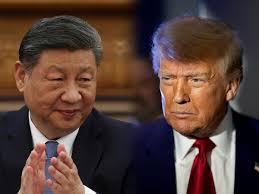
Xi’s confidence rests on two strategic pillars: control over the global rare earth supply chain and leverage through digital dominance. By manipulating the flow of rare earths and software updates for platforms like TikTok, China wields both hard and soft power tools that few nations can match.
Even if Trump intensifies sanctions or bans, Beijing knows it holds assets too integral to the global economy to be easily replaced. The U.S. may threaten tariffs, but China’s dominance in materials critical to green tech, defense, and computing ensures it cannot be easily cornered.
A Struggling Trump, a Calculating China
Domestically, Trump faces falling approval ratings—hovering around 40%—and growing discontent among his agricultural base, hurt by China’s reduced soybean imports. With midterm elections looming, Trump desperately needs quick diplomatic victories. A potential deal to boost Chinese imports of U.S. farm goods could bolster his standing—but Beijing may be deliberately tightening the screws to gain the upper hand before any such negotiation.
Japan Caught in the Crossfire
For Japan, the renewed U.S.-China confrontation poses severe economic risks. Japanese automakers, electronics firms, and exporters face potential tariff hikes or pressure from Washington to invest more in U.S. production. At the same time, China’s weakening economy—burdened by deflationary pressure and a collapsing real estate market—threatens Japanese corporate earnings.
Rising geopolitical tension also adds to Japan’s domestic challenges. The departure of the Komeito Party from the ruling coalition has shaken political stability, potentially delaying key policies to curb inflation and support wages. Prolonged indecision could push Japan closer to stagflation—where rising prices meet stagnant incomes.
Economic Turbulence Ahead
Japanese households are already feeling the strain. Wage growth lags behind inflation, food and energy costs continue to climb, and small to mid-sized enterprises are squeezed by higher import costs and global uncertainty. As trade and political frictions intensify, businesses may postpone raises, cut jobs, or accelerate early retirement programs.
The message is clear: the new Cold War between Washington and Beijing is no longer a distant power struggle—it is a storm reaching directly into the wallets and workplaces of ordinary citizens around the world. Whether Xi’s calculated confidence or Trump’s aggressive nationalism will prevail remains to be seen. But one thing is certain: the battle for global economic dominance has entered a new and more dangerous phase.