Beijing has urged Chinese citizens to refrain from traveling to Japan in a pointed response to Diet remarks by Prime Minister Sanae Takaichi on a potential Taiwan contingency, signaling a familiar turn to economic pressure as foreign policy tool. By discouraging travel—an immediate hit to Japan’s tourism-dependent regions—and hinting at further steps if Tokyo does not retract the comments, China is deploying the same playbook it has used repeatedly to force political concessions abroad: inflict economic pain quickly, frame it as a defensive measure, and escalate if the target does not yield.
Beijing targets tourism to send a message
The travel call, while not a formal ban, acts as a de facto signal to tour operators, airlines, and consumers that trips to Japan carry political risk. In past disputes, such advisories have precipitated swift drops in visitors, particularly for group tours, which are more tightly regulated in China. The move zeroes in on a sector that has roared back from the pandemic and is again central to Japan’s regional economies—hotels, retailers, restaurants, and transport networks that benefited heavily from pre-2020 inflows of Chinese travelers.
For Beijing, tourism is a nimble lever: it can be tightened or loosened within days, produces visible pressure on local constituencies, and avoids the more legally fraught terrain of formal trade sanctions. The message is calibrated but clear: either Tokyo distances itself from the latest Taiwan-related remarks or it should expect broader, more biting countermeasures.
A familiar playbook: from rare earths to boycotts
Economic coercion is a well-worn instrument in China’s diplomatic toolkit. After the 2010 collision between a Chinese fishing boat and Japanese patrol vessels near the Senkaku/Diaoyu Islands, Chinese authorities slowed rare earth exports to Japan, disrupting critical supply chains for electronics and automotive firms. In 2012, when Japan nationalized the Senkaku Islands, Beijing tolerated anti-Japanese street protests and product boycotts, while high-level meetings and cultural exchanges were canceled. Japanese manufacturers and retailers were attacked in several cities, resulting in extensive damage and compounding the chill in bilateral ties.
Nor has this approach been limited to Japan. In the South China Sea dispute with the Philippines, agricultural exports were suddenly entangled in inspection slowdowns, and Chinese tourist flows fell sharply amid heightened tensions. Australia faced a cascade of trade restrictions after calling for an independent inquiry into the origins of COVID-19, with wine, barley, beef, coal, and other exports targeted through tariffs and informal curbs. The signals were unmistakable: cross Beijing’s political red lines, and key economic arteries can be constricted with little notice.
Signals from Beijing: an unusually stern démarche
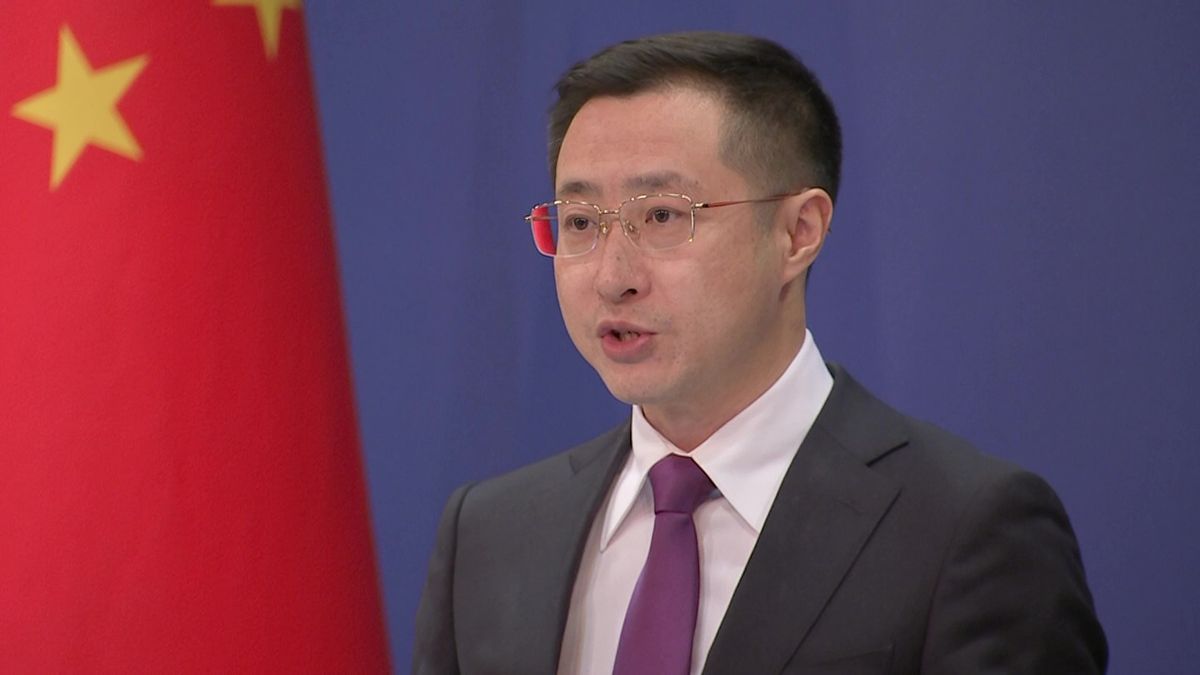
China’s Foreign Ministry summoned Japan’s ambassador to China, Kenji Kanasugi, on the 13th to lodge a formal protest over Prime Minister Takaichi’s comments. Major Chinese newspapers emphasized that the language used in the announcement indicated a “stern warning from the highest level,” an unusually severe formulation in Chinese diplomatic practice. State media warned Japan “should not make a wrong judgment,” a phrase that Chinese foreign policy watchers often parse as a marker of possible escalation if the counterpart does not promptly adjust course.
Why tourism pressure matters in Japan
Tourism is an obvious pressure point. In 2019, before the pandemic, China was Japan’s largest source of foreign visitors, and Chinese travelers accounted for a disproportionately large share of total tourist spending—nearly a third by some estimates. Chinese group tours filled hotels from Hokkaido to Kyushu, supported duty-free shopping districts in Tokyo and Osaka, and buoyed rail and air links that depend on high passenger volumes. Any renewed pullback, even if partial or temporary, could punch holes in local recovery plans, particularly in rural prefectures that made heavy investments in inbound tourism.
Beyond tourism, Japanese companies remain deeply intertwined with the Chinese market, from autos and machinery to chemicals and consumer goods. That mutual dependence can be stabilizing in normal times, but it also creates vulnerabilities when political tensions flare. Beijing has, for example, tightened import inspections and applied sudden safety or labeling requirements as leverage in past disputes. In 2023, it imposed a blanket ban on Japanese seafood after Japan released treated water from the Fukushima Daiichi plant, underscoring how swiftly Chinese regulators can redeploy market access as a tool of statecraft.
What escalation could look like
If Tokyo refuses to retract or clarify the prime minister’s remarks, Beijing’s next steps could include: - Expanded travel discouragements that explicitly target group tours or popular destinations. - Heightened customs inspections for Japanese imports, causing costly delays. - Informal consumer boycotts amplified by state media, particularly against high-visibility brands. - Suspension of cultural and educational exchanges or postponement of bilateral meetings. - Regulatory scrutiny of Japanese firms operating in China, including cybersecurity or antitrust checks. Each of these measures can be dialed up or down without the formalities of sanctions, allowing Beijing to calibrate pressure while maintaining deniability. The cumulative effect, however, can be significant for targeted industries and local economies.
Regional precedents and lessons
From the rare earths episode to Australia’s trade disputes, regional governments have developed playbooks of their own. Diversification of supply chains, legal challenges at the World Trade Organization, and quiet backchannel diplomacy have, over time, blunted some of the impact. Australia, for instance, saw partial reversals of tariffs on barley and wine following protracted negotiations and WTO pressure. The Philippines diversified agricultural export markets and adjusted its messaging while maintaining its maritime posture. For Japan, which has already pursued “economic security” legislation and supply-chain resilience for semiconductors, batteries, and critical minerals, the latest flare-up may accelerate efforts to reduce single-market dependencies and bolster inbound tourism diversity beyond Chinese visitors.
Tokyo’s calculus and global context
Prime Minister Takaichi’s comments, centered on Japan’s stance in the event of a Taiwan crisis, touch a core sensitivity for Beijing. For Tokyo, however, clarifying preparedness for contingencies in the Taiwan Strait has become mainstream policy discussion, reflecting both legal changes around collective self-defense and the strategic reality that a cross-Strait conflict would directly affect Japan’s security and economy. The United States, Japan’s treaty ally, has also tightened coordination with Tokyo and partners across the Indo-Pacific, making the Taiwan question inseparable from broader regional deterrence.
Internationally, concern over economic coercion has grown. The Group of Seven has repeatedly condemned such tactics and launched a coordination platform to assist members facing pressure. The European Union has advanced an anti-coercion instrument designed to deter and respond to economic intimidation. These mechanisms are still evolving, but their existence changes the risk calculus: pressure campaigns now risk drawing collective responses that amplify costs for the coercing state.
Outlook: brinkmanship with economic side effects
Beijing’s move to chill travel to Japan is a calibrated opening gambit: high visibility, immediate local pain, and relatively low legal exposure. Should Tokyo stand firm—as early indications suggest—more expansive economic signals are likely to follow. That could mean tougher scrutiny at Chinese ports, a pause in high-level contacts, and rhetorical escalation in state media. Yet brinkmanship cuts both ways. China’s own economy benefits from outbound tourism and open trade, and foreign investors track such episodes for clues about political risk. Japan, meanwhile, will weigh the short-term shock against long-term reputational costs of appearing to retreat under duress.
The broader lesson is less about any single measure than about the strategy behind it. In East Asia’s tense security environment, the border between politics and commerce remains thin, and tools of coercion are becoming more sophisticated and scalable. Whether this episode subsides after a tactical recalibration or hardens into another long-running chill will depend on how both sides manage optics, domestic expectations, and the delicate balance between deterrence and dialogue.