Japanese sushi giant opens to extraordinary demand as geopolitics hum in the background
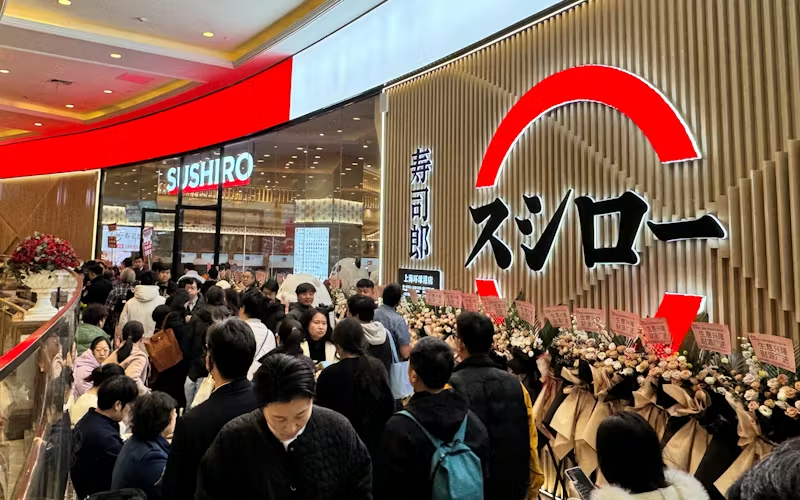
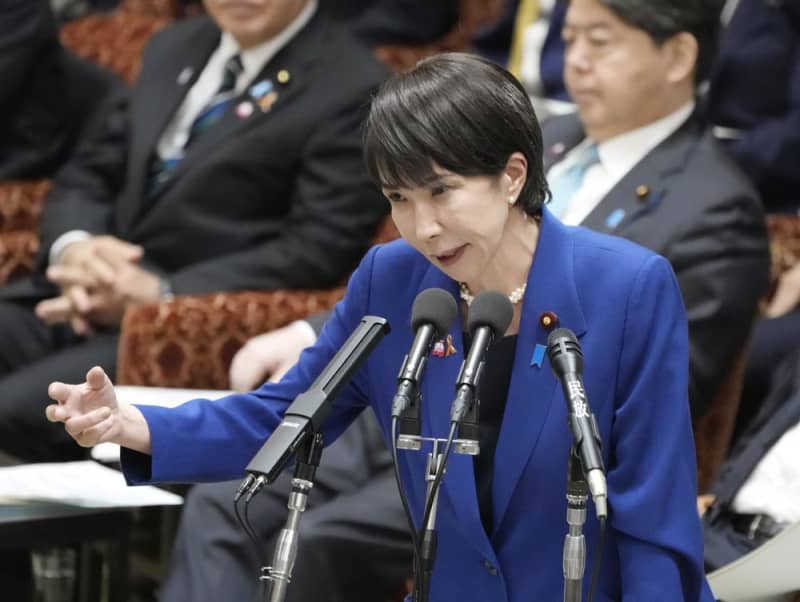
In a striking display of consumer appetite that defied the day’s political undertone, Japanese conveyor-belt sushi powerhouse Sushiro opened its first outlet in Shanghai today to scenes of marathon queues and feverish demand. Despite lingering tensions in Japan–China relations following Prime Minister Takaichi’s recent comments regarding a potential Taiwan contingency, the launch proceeded smoothly, attracting families and young diners in droves. By the time doors opened, the wait time had ballooned to a reported 840 minutes—nearly 14 hours—and reservation slots were fully booked for the next month, underscoring the brand’s drawing power in one of Asia’s most competitive dining markets.
Lines formed long before the doors opened
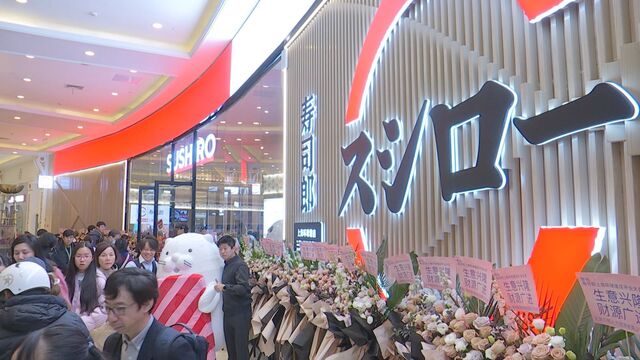
Reporters on site observed crowds gathering well before opening, turning the launch into a minor urban spectacle. Staff coordinated orderly lines and check-ins as families, groups of friends, and curious first-time customers queued for a taste of a Japanese household name that many knew from travels or social media. The atmosphere was energetic but orderly. If there was any apprehension that heightened political sensitivities might spill over into the consumer space, it did not materialize at the venue. Instead, the focus was squarely on the food.
Accessible pricing and familiar favorites
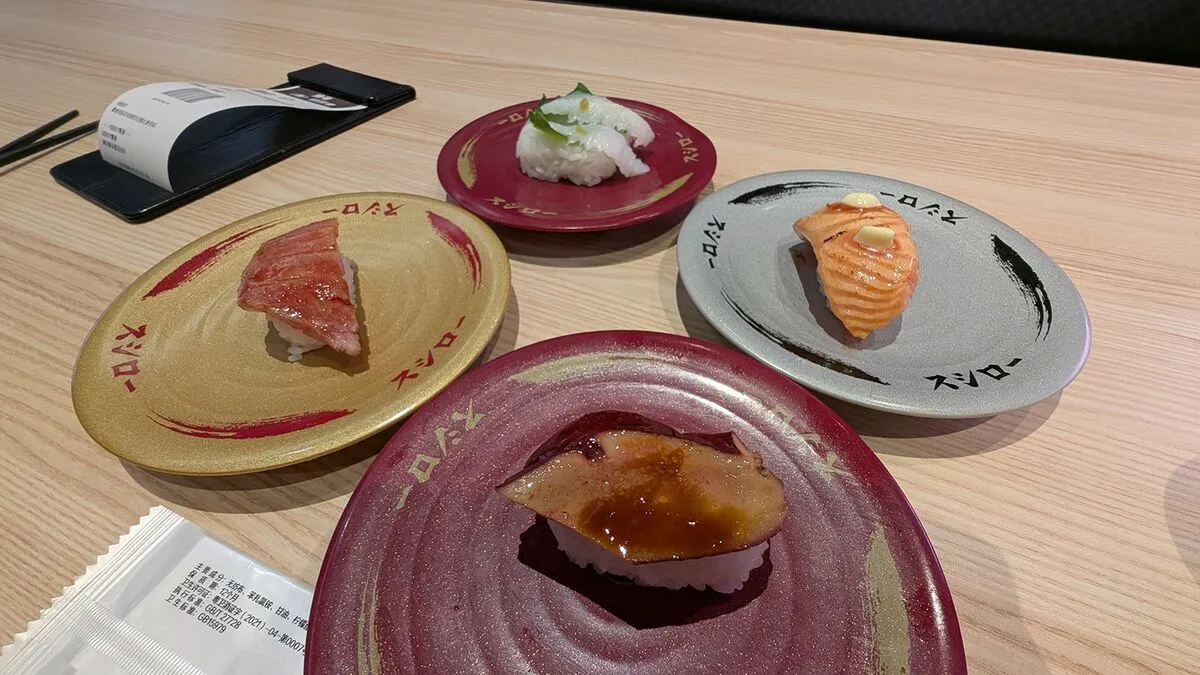
Sushiro’s Shanghai menu starts at 10 yuan per plate—about 200 yen, or roughly US$1.40 at current exchange rates—positioning the brand squarely in the affordable mass-market segment while trading on its reputation for reliability and speed. Early customers were greeted with a spread of Japanese staples recognizable to fans of the chain: classic nigiri and rolls, egg sushi, light sides, and the sweet finishes that have become hallmarks of the format. The accessible price point and brisk service are key components of Sushiro’s model, one that has resonated across Asia, particularly with families and students seeking casual dining without sacrificing variety.
Four years in China, now a push in Greater China
Sushiro entered mainland China four years ago and has since expanded to around 70 outlets nationwide, building a presence in major urban hubs. The Shanghai debut marks a symbolic milestone: success here is widely seen as a bellwether for broader brand traction. The operator plans to continue growing across the Greater China region, including in Taiwan and Hong Kong, where Japanese cuisine maintains a long-standing popularity and a mature, quality-conscious customer base. The pipeline aligns with a broader overseas strategy by Japanese casual-dining chains, which have increasingly looked to Asia’s mega-cities for growth to offset softer domestic demographics.
A commercial bright spot amid diplomatic strain
The opening came as Tokyo and Beijing navigate a difficult stretch in bilateral relations, sharpened in recent weeks by Prime Minister Takaichi’s remarks about a Taiwan contingency—a topic that consistently raises the temperature in regional diplomacy. Such episodes can spill into the consumer sphere, with Japanese brands periodically facing boycotts or social pressure in mainland markets. Yet today’s launch suggests that, at least in the realm of everyday dining, many consumers are willing to separate politics from their palate. The full reservation book into next month highlights how quality, price, and brand familiarity can trump geopolitical noise at the point of purchase.
Why the lines were so long
Beyond the geopolitical subtext, the mechanics of a blockbuster opening were also at play. Sushiro’s arrivals in new markets often trigger a wave of curiosity amplified by short-video platforms and review apps. Queue times, frequently tracked and displayed via reservation systems, can swell dramatically on day one as supply meets a surge of demand. Grand openings typically feature limited-time offers or special menu items—though today’s draw appeared driven primarily by pent-up interest and the novelty factor of a major Japanese chain landing in the city’s core.
Supply chain and safety: the ever-present variables
For any sushi operator in China today, sourcing is as critical as service. Following China’s import restrictions on Japanese seafood announced in 2023, brands with Japanese identities have had to diversify procurement, tapping global supply routes while maintaining tight quality controls. That reality has made operational agility and transparency central to maintaining consumer trust. Diners in Shanghai—one of Asia’s most discerning food capitals—are especially attuned to freshness and safety standards, a bar that international players must consistently clear to sustain the initial buzz.
A market that rewards consistency, not just novelty
Shanghai’s dining scene is one of relentless churn and high expectations. Today’s sold-out reservations and eye-catching wait times are the opening chapter, not the final verdict. History suggests that sustaining momentum requires a cadence of menu refreshes, dependable service during peak hours, and localized touches without diluting the brand’s identity. For Sushiro, that will mean balancing its Japanese core—efficient kitchens, tight plate rotation, and well-known staples—with local preferences on flavor, portioning, and digital convenience, from mobile ordering to seamless payments.
Competition is intense—and evolving
Conveyor-belt sushi is a familiar format in China, with both domestic concepts and other Japanese-inspired brands vying for footfall. Price sensitivity remains acute, particularly as consumers navigate a mixed macroeconomic backdrop. Operators that thrive typically pair competitive entry pricing with perceived quality and a steady stream of reasons to return—seasonal plates, limited-time specials, and frictionless digital experiences. Sushiro’s global scale and operational playbook give it advantages, but they also raise the bar of customer expectations.
Signal and substance
In the end, today’s launch served as a statement of intent: a major Japanese dining brand betting on China’s long-term appetite for accessible, quality-driven cuisine, even as diplomatic headwinds blow. The orderly crowds and full reservation books point to a consumer base that is eager for international options and willing to invest time—and patience—for trusted brands. Whether this early surge transforms into a durable footprint will hinge on execution in the months ahead, the resilience of supply lines, and whether broader geopolitical currents stay away from the dining table. For now, Sushiro’s Shanghai debut has sent a clear signal: the market remains open, hungry, and ready to queue.