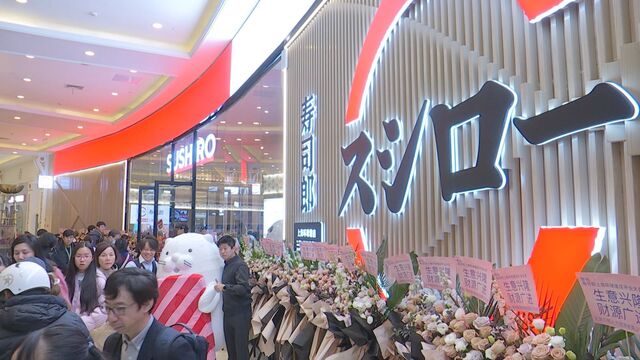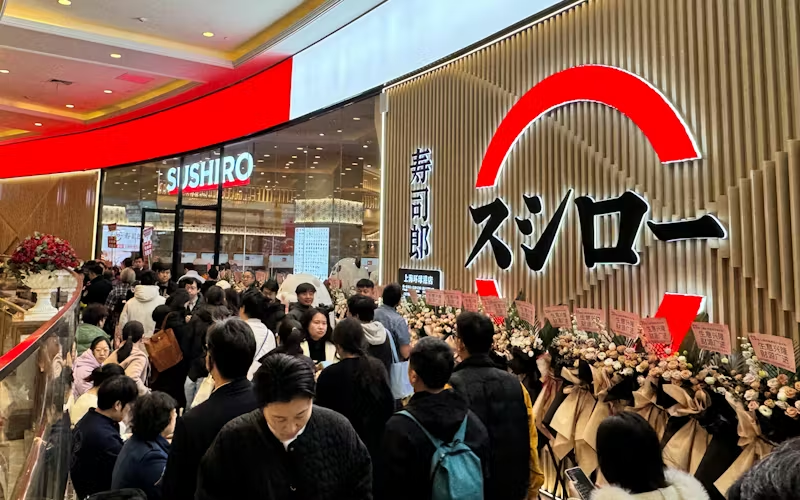
Japanese conveyor-belt sushi chain Sushiro drew extraordinary crowds in Shanghai on the 6th, opening two outlets at once in China’s commercial capital and prompting wait times that stretched to as long as 14 hours, according to the operator. The brand’s value-for-money reputation appears to have resonated with local diners despite a chill in China–Japan relations, underscoring the persistent pull of affordable, reliable dining experiences in a challenging consumer economy.
Two Stores, Immediate Crowds
Sushiro’s parent company, Food & Life Companies, said the Shanghai launch featured two locations opening on the same day, reflecting confidence in the city’s deep dining market and international palate. By the time doors opened, roughly 700 parties had registered for seats, the company said, setting the tone for a day of high-volume service and social media buzz. The combination of a recognizable Japanese brand, conveyor-belt novelty, and a pitch of accessible pricing helped fuel the surge in demand.
Waits Stretch to 14 Hours
Queues that reached a peak of around 14 hours are exceptional even by Shanghai’s standards, where popular openings of food and beverage chains can generate citywide chatter and long waits. Crowds at new restaurant debuts have become something of a cultural phenomenon, amplified by mobile queueing apps and real-time updates on social platforms. For Sushiro, the debut amounted to a stress test of kitchen throughput and service efficiency in one of the most competitive dining markets in Asia. While extended waits can frustrate customers, they also create powerful word-of-mouth marketing and a perception of must-try status—if managed carefully and followed by consistent service once the opening frenzy subsides.
First Foray Into Shanghai, and 71 Stores on the Mainland
The dual opening marks Sushiro’s first entry into Shanghai since the chain began its mainland China push. Food & Life Companies noted that Sushiro made its mainland debut in Guangzhou in 2021 and has steadily expanded since then; with the Shanghai launch, the number of outlets on the mainland has climbed to 71. The company has signaled its intent to continue expanding across China, positioning Shanghai as a strategic milestone: a high-visibility test of scale, brand recognition, and localization in a city that sets national dining trends.
Why Sushiro’s Formula Travels Well
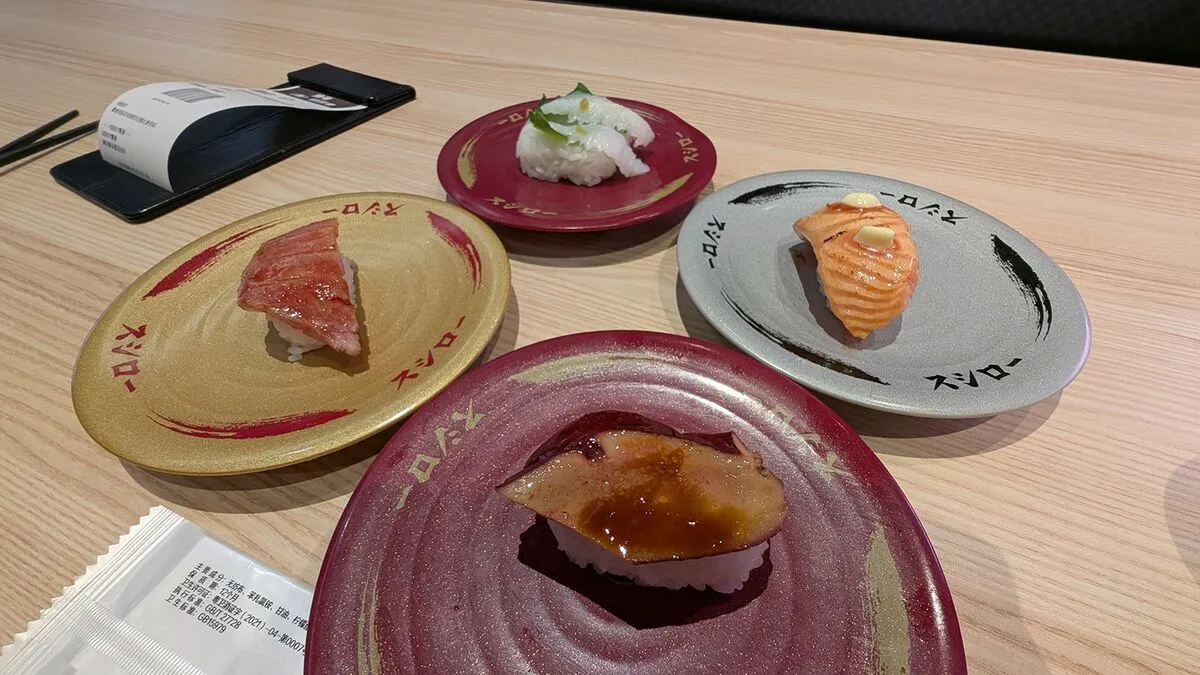
Sushiro’s surge in popularity abroad mirrors its domestic success in Japan, where the conveyor-belt format offers a blend of efficiency, consistency, and perceived value. Diners are drawn to the ability to select dishes on sight, control budget plate by plate, and experience a rapid rotation of options that cater to both adventurous and conservative palates. In value-conscious markets, this “frictionless choice” model can outperform more formal dining concepts, especially when paired with tech-enabled ordering and quick service. For mainland Chinese consumers—especially younger urban diners—Sushiro’s pitch aligns with a broader preference for casual experiences that feel special without becoming expensive occasions.
Politics vs. Palates
The turnout is notable against the backdrop of cooled China–Japan relations. Tensions rose in 2023 after Japan began releasing treated wastewater from the Fukushima Daiichi nuclear plant, prompting Beijing to impose a blanket ban on Japanese seafood imports. While that policy has complicated sentiment and supply chains for Japanese food brands in China, operators have typically emphasized diversified sourcing and strict compliance with local regulations. Sushiro’s strong first-day performance suggests that for many consumers, concerns about geopolitics may be secondary to considerations of taste, price, and the everyday pleasure of dining out. It is a reminder that demand in the mass-market dining category can be resilient, even when higher-end Japanese restaurants face headwinds.
Shanghai’s Appetite for Affordable Indulgences
Shanghai remains one of Asia’s most dynamic dining arenas, but it is also a market where consumers have become more price-sensitive. After years of uneven economic recovery, many households are recalibrating spending, favoring accessible treats over expensive splurges. That dynamic has buoyed fast-casual formats that deliver consistent quality at modest per-person costs. Long lines at debuts—whether for coffee, pastries, hot pot, or sushi—often reflect a mix of curiosity, the social cachet of being among the first, and the reassurance of predictable value. Sushiro’s model is built for precisely that intersection, and the Shanghai response underscores a broader shift in which “affordable indulgence” is the new luxury for many urban diners.
Managing Velocity and Expectations
Sustaining momentum after an attention-grabbing opening requires more than novelty. The immediate challenge for Sushiro will be to bring down wait times while preserving the sense of abundance and freshness that defines the conveyor-belt experience. That often means tightening kitchen workflows, optimizing menu mix to match local preferences, and calibrating staff levels for peak hours. Consistency matters: if the first two weeks shape perceptions, the first two months determine whether the brand becomes part of the city’s dining routine or remains a once-and-done curiosity. Effective crowd management—through reservation tools, digital ticketing, and transparent updates—can convert early buzz into loyal traffic.
Competition and Localization
Shanghai hosts a wide array of Japanese dining options, from izakaya-style restaurants to premium omakase counters. While Sushiro targets a different slice of the market, competition for casual Japanese fare is intense, and domestic chains have become more sophisticated at delivering sushi and sashimi experiences at scale. Winning in this environment typically requires careful localization: tailoring menu items to local tastes, offering seasonal specials, and adjusting pricing to fit neighborhood demographics. In a city that prizes novelty, periodic limited-time offerings and cross-promotions with local ingredients or events can keep the brand top of mind beyond the honeymoon period.
What the Opening Signals
Sushiro’s Shanghai debut delivers several signals about the state of China’s dining market. First, quality-to-price value remains a powerful driver of demand, even as households pare back discretionary spending. Second, internationally recognized brands can still cut through geopolitical static when they offer everyday experiences rather than status consumption. Third, scale and smart execution matter: companies that can open multiple sites at once gain visibility and operational leverage, but must deliver reliably to hold it. For Food & Life Companies, the launch strengthens its presence on the mainland and provides a high-profile springboard for further expansion.
What to Watch Next
All eyes will be on how quickly wait times moderate, how repeat visits hold up after the opening surge, and how the company sequences additional locations across the city and beyond. The brand’s sourcing strategies and price discipline will also be scrutinized as seafood markets fluctuate and competition intensifies. If Sushiro can translate day-one enthusiasm into steady midweek traffic and family-friendly weekend business, Shanghai may become a cornerstone of its China growth story. For now, the 14-hour lines are a striking—and telling—snapshot: in a city known for speed and choice, patience remains a price many are willing to pay for the promise of good sushi at the right price.