House Vote Rejects Tariffs on Canada, Exposing GOP Split
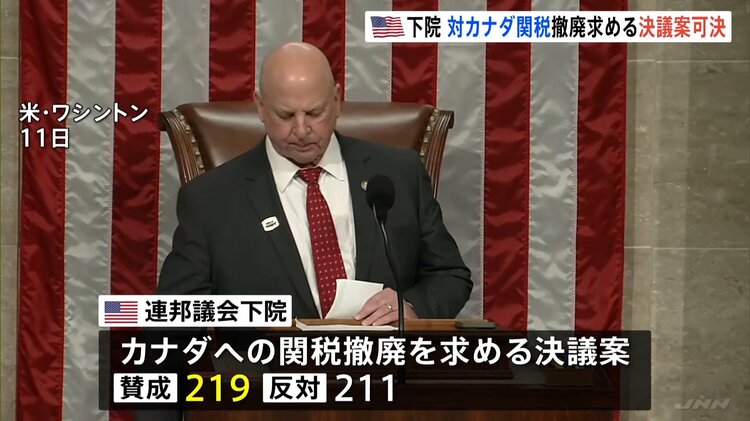
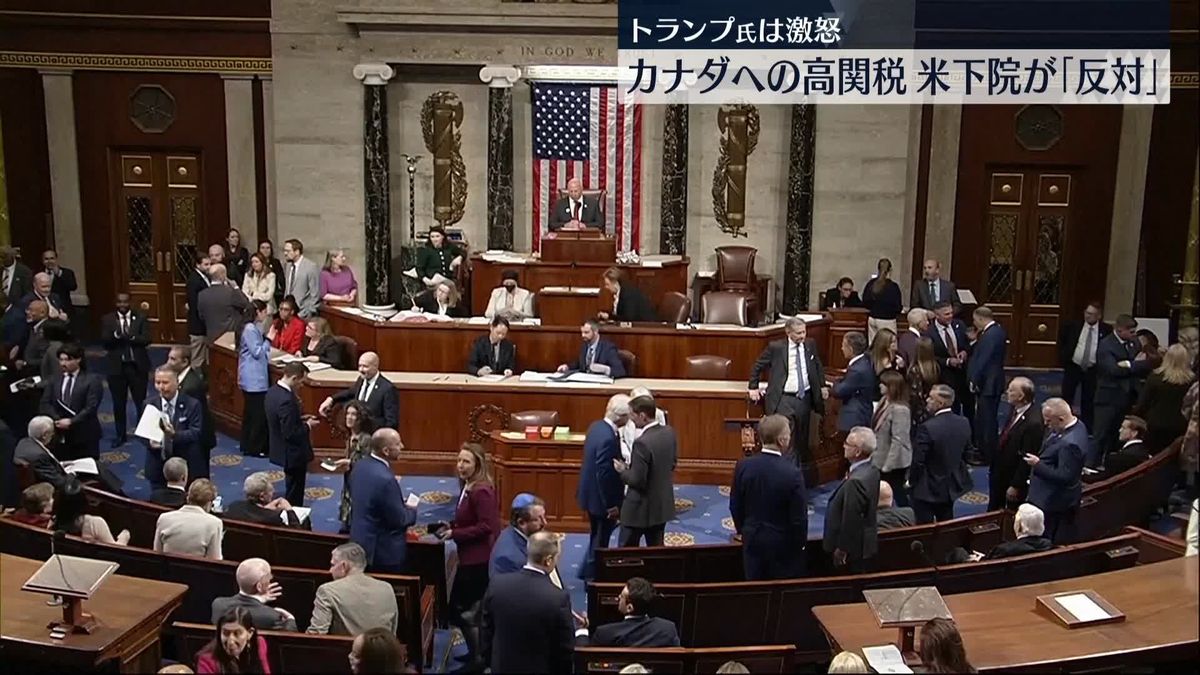
The U.S. House of Representatives on the 11th passed a resolution opposing President Donald Trump’s steep tariffs on Canada, a striking rebuke delivered by a chamber where Republicans hold the majority. The measure objects to the president’s use of “national emergency” authority as the basis for imposing trade barriers on America’s northern neighbor and key ally. In a rare intra-party break, six Republicans joined Democrats to back the resolution, signaling growing discomfort within the GOP over the political and economic costs of sweeping tariffs against allied countries.
What the Resolution Would Do
Lawmakers framed the vote as a defense of Congress’s constitutional role over trade and a pushback against open-ended emergency powers. The resolution seeks to nullify the tariffs rooted in the administration’s emergency rationale, effectively saying that Canada—far from being a national security threat—should not be targeted with punitive measures typically reserved for acute crises. While the measure passed the House, it must still clear the Senate and would likely face a presidential veto. Overriding such a veto would require a two-thirds majority in both chambers, a high bar in today’s polarized environment.
Trump’s Angry Broadside on Social Media
President Trump reacted with visible anger. On his social media platform, he warned Republican lawmakers who defied him, writing, “Republicans who vote against the tariffs will face serious consequences come election time!” He added, “Tariffs have delivered economic and national security. There should not be a single Republican who would destroy this prerogative.” The remarks underscore how central tariffs have become to Trump’s political and economic brand, which leans on the argument that aggressive trade measures protect domestic industry and deter unfair practices abroad—even when applied to close allies.
A Rare Republican Split
The six Republican votes for the resolution highlight a party divided between a more traditional free-trade wing and a protectionist faction aligned with Trump’s approach. Pro-resolution Republicans argue that Canada is an indispensable partner in North American supply chains and defense cooperation, and that invoking emergency powers risks normalizing a tool that circumvents legislative scrutiny. Detractors, echoing the White House’s line, contend that tariffs are essential leverage and that past concessions by allies have only followed firm U.S. pressure.
Why Canada Matters
Canada is one of America’s largest trading partners and a cornerstone of the United States-Mexico-Canada Agreement (USMCA), the modernized pact that underpins cross-border commerce. Automobiles, agricultural goods, energy, and advanced manufacturing all flow across the U.S.-Canada border daily. Business leaders warn that fresh tariffs could disrupt supplier networks, raise costs for consumers and manufacturers, and invite retaliation that targets American exports in politically sensitive sectors such as farming and machinery. Canadian officials have historically criticized punitive U.S. tariffs and, in prior disputes, have signaled tit-for-tat responses—measures that deepen uncertainty and weigh on growth on both sides of the border.
Economic Stakes and Market Jitters
Tariffs function as taxes on imports, costs that often spread through the economy. Economists caution that while targeted trade policies can extract concessions or shield vulnerable sectors in the short term, broad duties against allies risk dampening investment and eroding competitiveness. For manufacturers integrated into North American supply chains, sudden policy shifts can mean delayed shipments, redesigned sourcing, and thinner margins. The specter of renewed trade friction—particularly framed as a national emergency—adds a layer of legal and political risk that markets typically price as volatility, not stability.
Implications for Allies—and Japan
Among America’s allies, the reverberations reach far beyond Ottawa and Washington. Japan, a G7 partner and steadfast U.S. ally, has long championed a predictable, rules-based trading system. Japanese automakers, parts suppliers, and technology firms are deeply embedded in North American value chains anchored by USMCA. If tariffs against Canada proceed under an emergency banner, it could unsettle planning for Japanese companies operating across the U.S. and Canada and complicate long-term investment decisions that assume stable trade rules among allies. Tokyo has consistently favored diplomacy and multilateral coordination—approaches that helped deliver the Comprehensive and Progressive Agreement for Trans-Pacific Partnership (CPTPP). For Japan, strengthened U.S.-ally coordination on economic security—including critical minerals, semiconductors, and resilient supply chains—works best when not undercut by surprise tariffs among partners. The House vote thus resonates in Tokyo as an effort to restore predictability and uphold the very framework that keeps allied economies, including Japan’s, competitive and secure.
The Legal and Legislative Road Ahead
Passing a House resolution is one step; converting it into binding action is another. The Senate will be the next battleground, where procedural hurdles and party calculus could stall or reshape the measure. Even if both chambers ultimately agree, a presidential veto remains likely, setting up a showdown that tests the strength of the bipartisan coalition. Separately, legal challenges could emerge over the scope of emergency powers in the trade arena—an issue courts have historically approached with deference to the executive but that has drawn fresh scrutiny as emergency declarations expand beyond traditional national security contours.
A Test of GOP Identity and U.S. Leadership
This vote is more than a clash over a specific tariff schedule; it is a proxy for the Republican Party’s identity on trade and America’s posture toward its closest partners. A coalition of pro-market Republicans, Democrats, and business groups argues that confronting strategic competitors requires, not alienating allies, but rallying them—particularly at a time when the global economy is adjusting to new technologies, security threats, and supply-chain realignments. Protectionist Republicans counter that past orthodoxies failed domestic workers and that tariffs remain a crucial bargaining chip.
What to Watch
Key signposts in the days ahead include Senate leaders’ willingness to take up the measure, any White House overtures to soothe restive Republicans, and signals from Ottawa about potential retaliation or talks. Business sentiment—especially in autos, agriculture, and energy—will be a bellwether. For allies like Japan, the outcome will be read as an indicator of how reliably Washington can align economic policy with its security partnerships. The House’s move, at minimum, puts a marker down: that even under a Republican majority, there are limits to deploying emergency powers against friends in ways that roil markets, disrupt supply chains, and complicate the shared task of strengthening the free and open Indo-Pacific.