Report: U.S.–Israel conversations on potential Iran strike
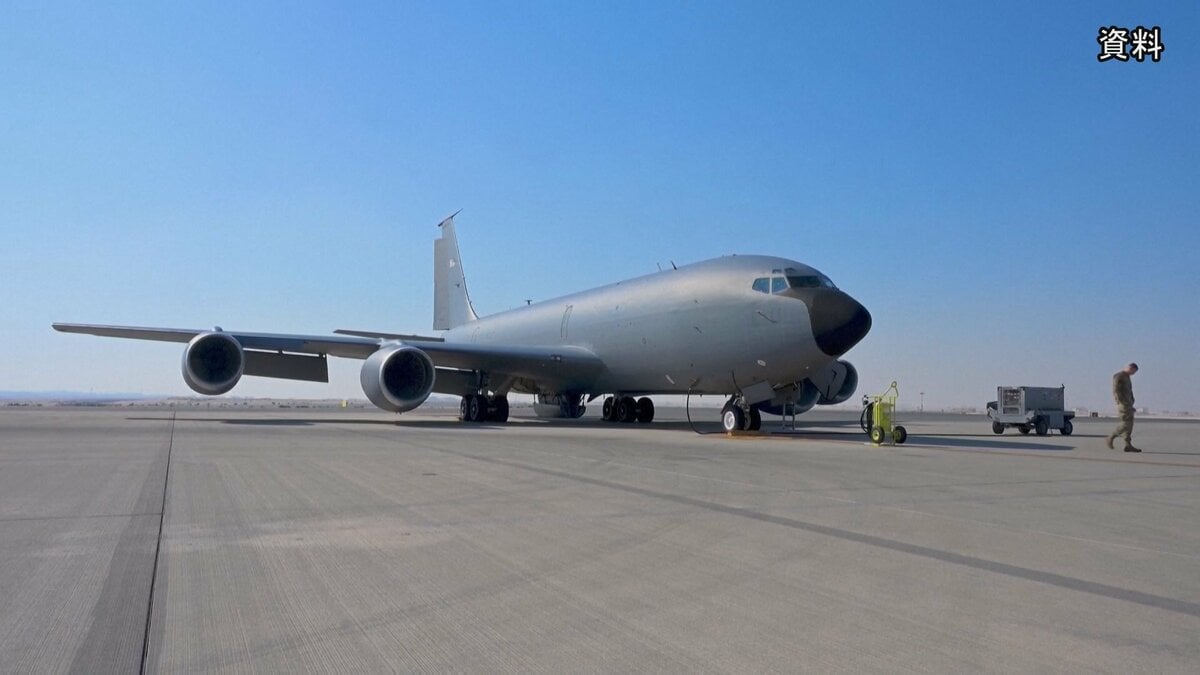
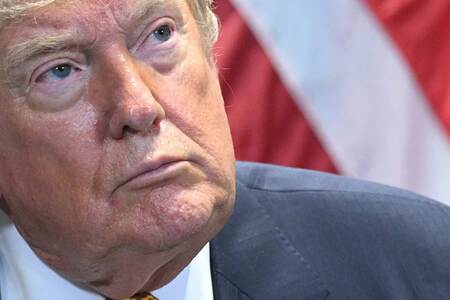
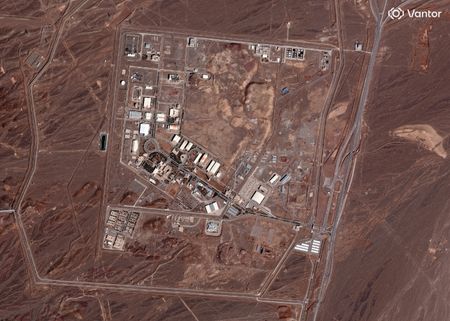
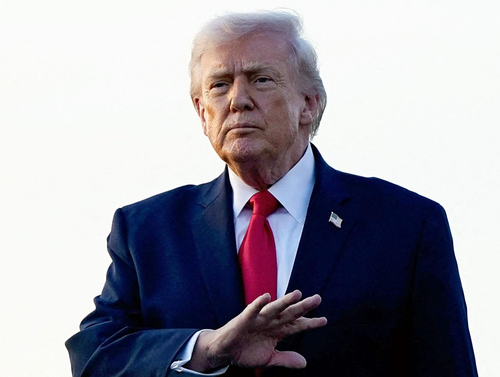
U.S. broadcaster CBS News reported on the 15th, citing sources familiar with the matter, that Donald Trump told Israeli Prime Minister Benjamin Netanyahu he would support an Israeli attack on Iran if talks over Tehran’s nuclear program were to break down. The exchange reportedly took place during a December meeting at Trump’s Florida residence. According to the report, Israel has been considering strikes on facilities linked to Iran’s ballistic missile development, and U.S. and Israeli military and intelligence officials have been discussing practical cooperation, including potential U.S. aerial refueling for Israeli aircraft and the coordination of flight routes toward Iran. The same reporting noted that Washington planned to send a second nuclear-powered aircraft carrier to the Middle East, underscoring an effort to raise pressure on Tehran. Separately, the United States and Iran were slated for senior-level discussions in Geneva on the 17th.
What CBS’s report means — and what remains unconfirmed
The CBS account, attributed to unnamed sources, has not been accompanied by public on-the-record confirmation from the principals. It nonetheless aligns with long-standing U.S. and Israeli concerns about Iran’s missile and nuclear activities and with Washington’s history of bolstering regional deterrence via carrier deployments. Iran says its nuclear program is peaceful, while Israel has consistently warned that Tehran’s combined nuclear and missile capabilities pose an existential threat. Whether any strike would occur hinges on diplomacy, calculations of military risk, and the potential for regional escalation.
Why Japan is watching closely
For Japan, any spike in tensions between Israel and Iran is more than a distant headline. Japan relies on the Middle East for the vast majority of its crude oil, with a significant share of global energy flows passing through the Strait of Hormuz. Even the perception of conflict risk can lift insurance costs, disrupt shipping schedules, and push up energy prices felt by households and businesses from Tokyo to Osaka. Japan has invested for decades in energy security—diversifying suppliers, building strategic petroleum reserves that cover well over half a year of net imports, and expanding LNG capacity—but sustained instability around the Gulf would still ripple through the Japanese economy.
Japan’s balanced diplomacy and maritime posture
Tokyo maintains respectful, pragmatic ties with both Israel and Iran while remaining a close ally of the United States. Japan has repeatedly positioned itself as a voice for de-escalation: then-Prime Minister Shinzo Abe traveled to Tehran in 2019 to encourage dialogue, and Japanese diplomats continue to support channels that reduce miscalculation. At sea, the Japan Maritime Self-Defense Force has conducted information-gathering missions in waters near the Middle East and contributed to international maritime security efforts—quiet, steady work that helps keep vital sea lanes open. This blend of principled diplomacy and practical security cooperation reflects Japan’s pro-stability approach and its commitment to the rules-based order.
Geneva talks and scenarios ahead
The scheduled U.S.–Iran talks in Geneva represent a potential off-ramp from confrontation, even if expectations remain cautious. Progress could cool temperatures and limit the need for military signaling such as carrier surges. Conversely, if negotiations stall, the region could see increased covert activity, cyber operations, or targeted strikes, any of which would inject volatility into energy markets. For Japan’s corporate planners and expat communities across the Middle East, contingency planning—ranging from supply chain adjustments to travel security—remains prudent.
Implications for businesses, expats, and travelers
Japanese firms with exposure to Middle Eastern supply chains should watch freight rates, marine insurance, and potential rerouting via the Red Sea or alternative ports. Energy-intensive sectors in Japan may want to review hedging strategies amid potential oil price swings. The Ministry of Foreign Affairs typically updates travel advisories; Japanese nationals and expats in the wider region should monitor official guidance and ensure contact details are registered with local embassies. Japan’s steady crisis-management capacity—public stockpiles, robust private inventories, and coordinated policy tools—offers resilience even under stress.
The bigger picture: stability serves everyone
Whether or not CBS’s report presages military action, the episode is a reminder that diplomacy remains indispensable. A measured path that curbs nuclear risk, reins in missile proliferation, and keeps sea lanes secure is in the clear interest of Japan, the United States, the Middle East, and global markets. Japan’s constructive role—bridging dialogue, supporting maritime security, and advocating international law—will be increasingly valuable as the region navigates the next steps.