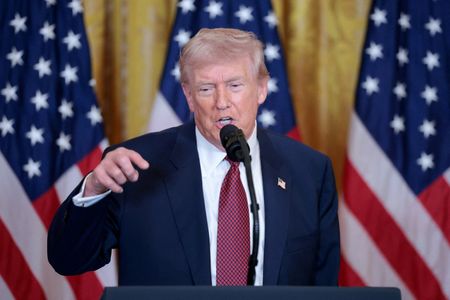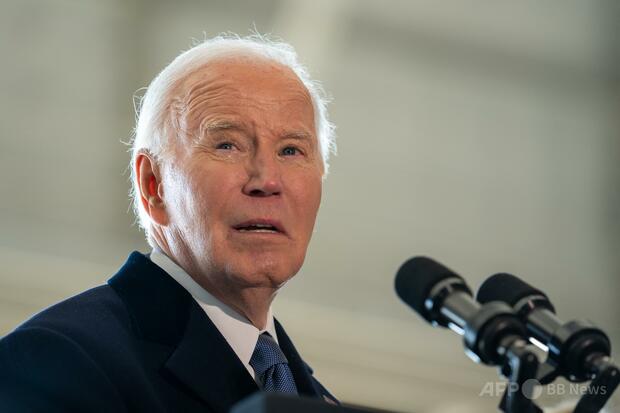
Democratic former President Joe Biden sharply condemned the Trump administration after two civilians were fatally shot by federal immigration officers in Minneapolis this month, calling the incidents “a betrayal” of American values and demanding a fundamental reassessment of how the government uses force in immigration enforcement. His comments, posted to social media on the 27th and reported by AFP, come amid mounting public anxiety in Minnesota and revived national debate over the limits of federal authority on city streets.
‘We Are Not a Country That Guns Down Civilians’
“What happened in Minneapolis betrays our most basic values as Americans,” Biden wrote. “We are not a country that guns down civilians in the streets.” The former president’s rebuke, unusually blunt even by the standards of a hyper-polarized political climate, targeted what he described as the Trump administration’s handling of the incidents and its broader approach to immigration enforcement. The shootings involved officers with U.S. Immigration and Customs Enforcement (ICE) and occurred in quick succession, according to AFP reporting, during protests against what demonstrators described as a violent crackdown on undocumented immigrants.
Two Fatal Encounters, One Community on Edge
Minneapolis, still marked by the global reckoning that followed George Floyd’s murder in 2020, has struggled to rebuild trust between authorities and residents. The back-to-back shootings this month, in which two civilians protesting immigration raids were killed by ICE officers, have amplified fear and frustration in a city where questions of force, accountability, and public safety remain deeply intertwined. Details of the encounters—including the precise circumstances that led officers to fire—were not immediately clear. Community advocates, civil liberties groups, and local officials have called for full transparency, independent reviews, and the release of any available video or documentation that could shed light on what transpired.
Federal Force and Urban Streets
The incidents put a spotlight on federal operations carried out in local jurisdictions and the complex patchwork of policies governing use of force. While federal agencies say their officers operate under strict guidelines and the law, fatal outcomes in crowded urban environments rapidly inflame civic tensions. ICE, an agency under the Department of Homeland Security, oversees both Homeland Security Investigations and Enforcement and Removal Operations; the latter conducts arrests and removals of noncitizens deemed removable under federal law. Critics argue that, without stringent safeguards, aggressive tactics risk endangering bystanders and chilling constitutionally protected protest. Supporters maintain that federal officers confront dangerous situations and must be able to respond swiftly to threats.
A Political Flashpoint for Trump and Biden
Biden’s statement underscores the widening divide over immigration and law enforcement between the Democratic and Republican camps. Trump has long championed hardline measures to deter illegal border crossings and to step up interior enforcement, insisting that a firm hand is necessary to uphold the rule of law. Democrats counter that such strategies often sweep too broadly, erode civil liberties, and contribute to needless violence. For Biden, who has positioned himself as a defender of institutional norms and measured governance, the Minneapolis shootings offer a visceral example of what he frames as the human costs of overreach. His characterization of the events as a betrayal of “basic” American values signals a bid to galvanize public pressure for changes to federal conduct during arrests and protests.
Echoes of 2020 and the Question of Accountability
Minneapolis’s painful recent history looms over the new controversy. The Floyd case led to state and federal reforms and sustained scrutiny of policing practices. While ICE is a federal entity distinct from local police, the optics are similar: heavily armed officers, tense public demonstrations, and the risk that a fast-moving encounter can end in irreversible tragedy. Advocacy groups and legal scholars emphasize the need for clear standards: strict de-escalation requirements, robust training for operations in protest environments, and independent oversight whenever force results in serious injury or death. Calls have intensified for federal agencies to expand body-worn camera programs and to ensure rapid public release of critical footage, a practice some local departments have adopted in the name of rebuilding trust.
Legal and Policy Crossroads
At issue are the core principles that govern when officers may use deadly force, typically framed around an “objective reasonableness” standard and imminent threats to life. Civil rights attorneys argue that applying these standards in the context of protected First Amendment activity requires particular caution. If the individuals killed were protesting, they say, the threshold for lethal force should be especially high, and any official accounting must address the dynamics of crowd control, identification of threats, and the coordination between federal agents and local authorities. Even absent definitive public details, the back-to-back nature of the shootings has spurred calls for a thorough audit of operational protocols, especially where immigration enforcement intersects with civic demonstrations.
Community Impact and National Reaction
The reaction in Minneapolis has been swift: vigils, community meetings, and demands for answers. Nationally, the deaths have reignited long-running disputes over immigration policy and the scope of federal power. Conservative lawmakers have defended the necessity of strong enforcement, warning that retreat could embolden criminal networks. Progressive lawmakers have urged immediate transparency and a pause on high-risk tactics pending investigations. In the middle are residents and local leaders who simply want to avert further violence and restore a baseline of trust that allows both safety and civil liberties to coexist.
Why Allies, Including Japan, Are Watching
America’s handling of civil rights and public safety carries implications beyond its borders. Close partners such as Japan—whose citizens live, study, and work across U.S. cities—pay careful attention to the stability of the American rule-of-law environment. The U.S.–Japan alliance, anchored in shared democratic values, depends not only on strategic alignment but also on confidence that personal security and lawful process are upheld in daily life. Policy turbulence and violent flashpoints can ripple outward, affecting perceptions of safety for foreign nationals and the predictability that businesses and communities rely upon. Japanese stakeholders, who have traditionally emphasized careful, community-oriented public safety and procedural integrity, will be attuned to whether U.S. authorities respond with openness, diligence, and respect for human life—standards that underpin the trust at the heart of the alliance.
What Comes Next
As pressure builds, the next steps are likely to include intensified demands for independent review, public disclosure of key facts, and a broader policy conversation in Washington about federal use-of-force thresholds in immigration operations. Biden’s intervention signals that the political cost of opacity is rising—and that the moral framing of enforcement policy could become a defining debate in the months ahead. For Minneapolis, the more immediate imperative is clarity: a credible account of what happened, why lethal force was used, and how authorities will prevent similar tragedies. For the nation, the stakes are larger. The Minneapolis shootings test whether the United States can reconcile the enforcement of its immigration laws with a commitment to civil liberties, even amid protest and disorder. In Biden’s telling, the answer must reaffirm—not betray—the values Americans and their allies expect to see on America’s streets.