Work and Home in One Minute: PM Sanae Takaichi Starts New Year Break and Moves Into Official Residence to Bolster Crisis Readiness
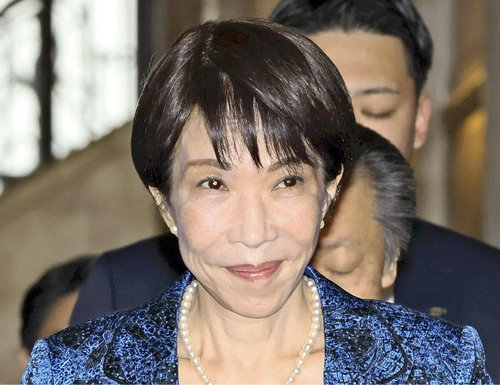
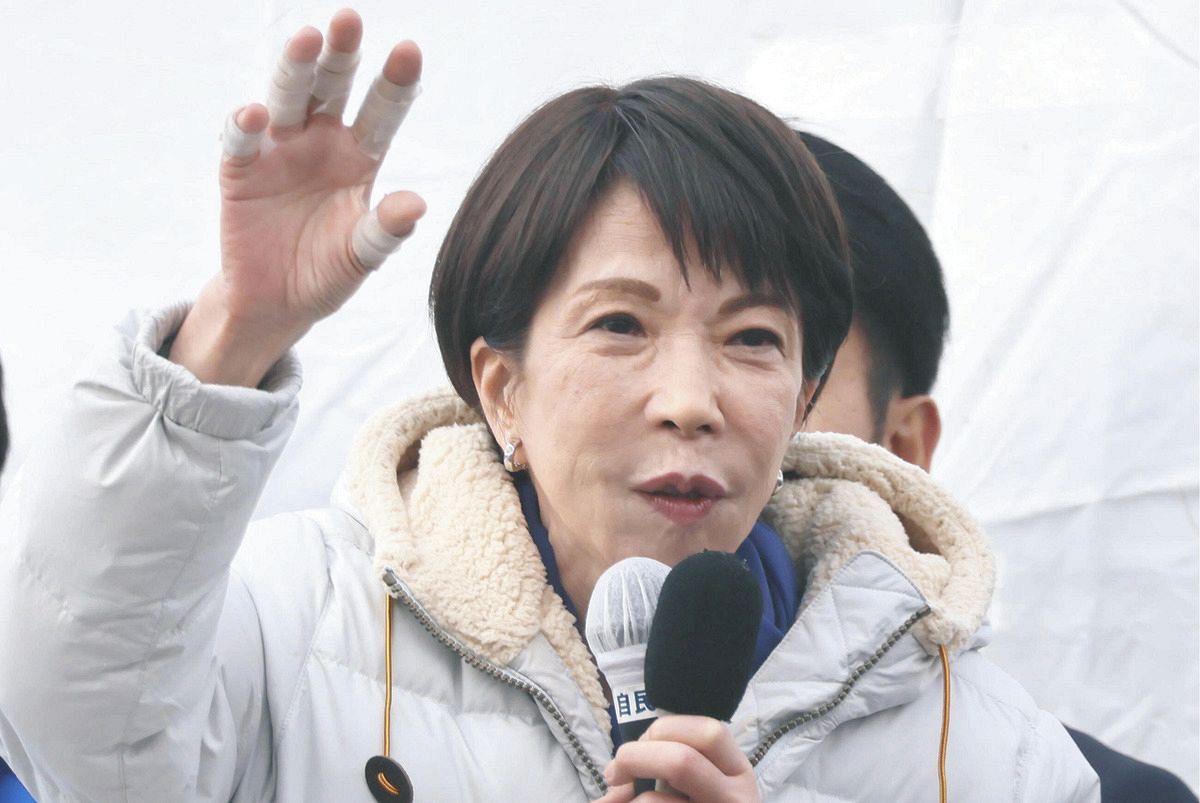
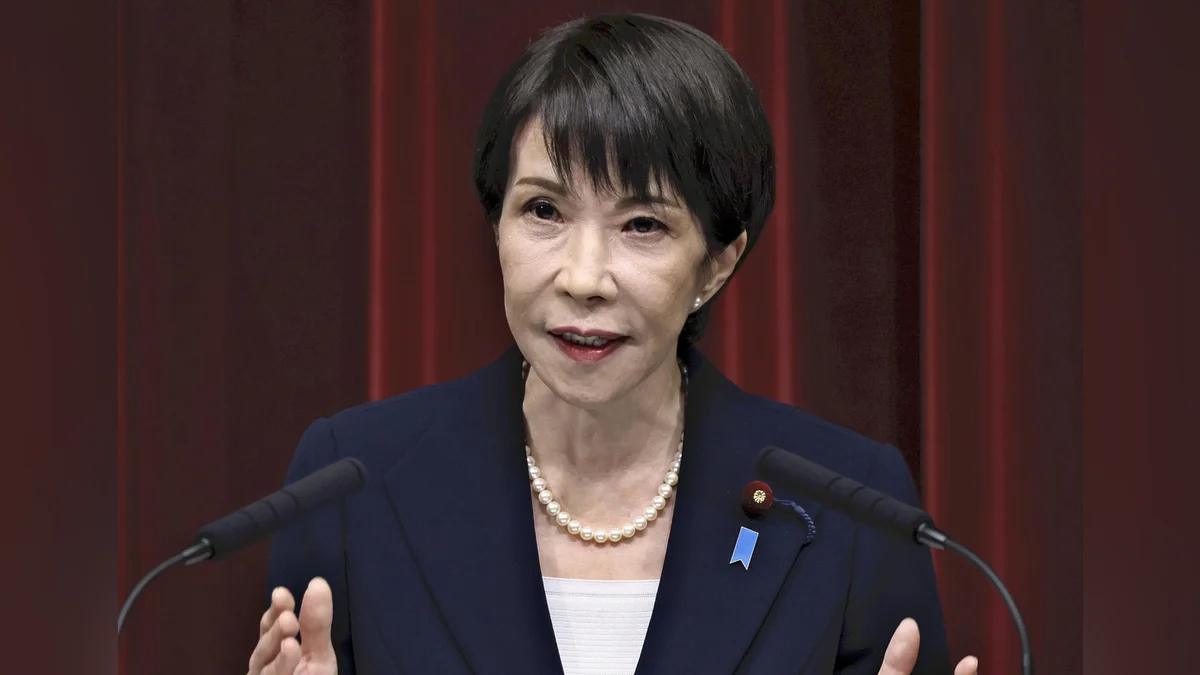
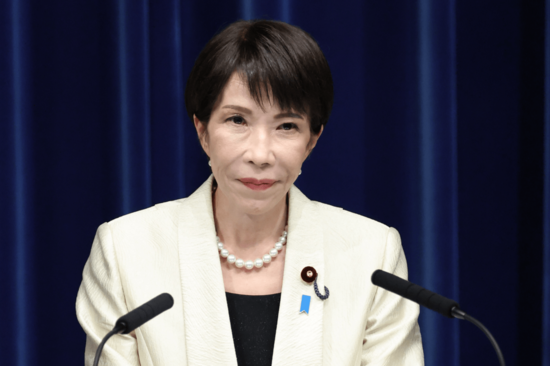
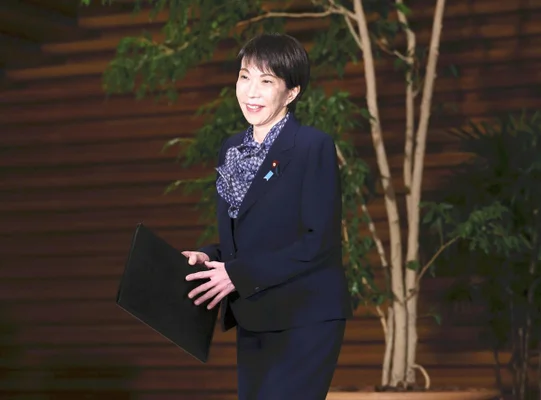
Prime Minister Sanae Takaichi began her year-end and New Year holiday on December 27, a break scheduled to run through January 4, while remaining in Tokyo and preparing to move into the Prime Minister’s Official Residence by the end of the year. The relocation from the Akasaka housing complex for lawmakers to the residence adjacent to the Prime Minister’s Office underscores what she has framed as a priority for her administration: round-the-clock crisis management enabled by the shortest possible distance between home and work.
A stay-at-home holiday with official duties
According to officials, the prime minister spent the first day of her winter recess at the Akasaka lawmakers’ dormitory. The period will not be entirely free of official engagements. On December 30, she is slated to attend the closing ceremony of the year at the Tokyo Stock Exchange, a traditional “Otokai” event that symbolically wraps up trading before the market reopens in the new year. On January 1, she plans to join the New Year’s Greeting Ceremony at the Imperial Palace, a formal occasion where senior state officials mark the start of the year in the presence of the Imperial Family. Work proper resumes on January 5, when Takaichi will travel to Ise City in Mie Prefecture to pay a New Year visit to Ise Jingu, one of Japan’s most sacred Shinto sites. While there, she is expected to deliver her first press conference of the year, setting out priorities and themes for the months ahead. The sequence—market ceremony, Imperial greeting, and Shinto pilgrimage—mirrors a rhythm long observed by Japanese leaders, blending economic, state, and cultural rituals at the turn of the year.
“Crisis management is the essence of statecraft”
The move into the official residence is the clearest signal yet of Takaichi’s emphasis on preparedness. On December 21, she posted on X (formerly Twitter) that she intended to leave the familiar confines of the lawmakers’ dorm “in the near future” and take up residence next to her workplace, adding pointedly: “Crisis management is the essence of statecraft.” The official residence stands within the same secure compound as the Prime Minister’s Office—commonly known as the Kantei—making it roughly a one-minute walk from briefing rooms, command facilities, and the Cabinet Secretariat. That closeness is not cosmetic. In a country that faces frequent natural disasters and must contend with fast-moving geopolitical flashpoints, from typhoons and earthquakes to missile tests, the ability for the prime minister to be briefed, convene meetings, and authorize responses without delay is a core operational advantage.
Accessibility and family considerations
Officials say Takaichi toured the residence in November to assess its barrier-free features and plan the living spaces with her husband in mind. Her spouse, former House of Representatives member Taku Yamamoto, uses a wheelchair, and the inspection focused on accessibility and day-to-day practicality. Those considerations echo a broader effort by government facilities in recent years to ensure universal design standards are met without compromising security or historical preservation.
What “work-residence proximity” means in practice
Japanese administrations have long debated the merits of the prime minister living onsite. The promise of “shokuju kinketsu”—keeping one’s workplace and home in close proximity—goes beyond convenience. It shortens the decision-making loop in emergencies, reduces motorcade movements through central Tokyo, and facilitates faster public communication in moments when clarity is paramount. In practical terms, being on the same grounds can mean the difference between responding in minutes rather than tens of minutes during a late-night crisis, whether that involves convening the National Security Council, activating disaster response protocols, or addressing the nation.
A residence with history—and precedents
The building Takaichi will occupy has a storied past. Originally constructed in 1929 and used as the Prime Minister’s Office in its early decades, the structure was moved and renovated over time. In 2005, Prime Minister Junichiro Koizumi was the first to take up residence there after it was repurposed as the official residence. Subsequent leaders made differing choices. Shinzo Abe, for example, lived in the residence during his first administration but, upon returning to office later, opted to commute mainly from his private home in Tokyo’s Tomigaya district, saying he could rest more effectively there. Yoshihide Suga continued to live in the lawmakers’ dormitory while serving as prime minister. These decisions often reflect a blend of security advice, personal routine, family circumstances, and political optics; Takaichi’s move suggests she is leaning into the symbolism of constant readiness and institutional continuity.
Markets, monarchy, and tradition: the seasonal tableau
Takaichi’s holiday season schedule is resonant for investors and the public alike. Her planned appearance at the Tokyo Stock Exchange’s year-end ceremony provides a moment to nod to the markets after a volatile global year, and to signal policy steadiness during a period when many households consider their finances and expectations for the year ahead. Participation in the New Year’s Greeting Ceremony at the Imperial Palace affirms the state’s ceremonial calendar, while the Ise Jingu visit—customary for modern prime ministers—serves a dual purpose: it reflects a cultural tradition anchored in prayers for national peace and prosperity and offers a natural stage for articulating early policy messages.
Governance signals for the year ahead
Although the prime minister is officially on leave until January 4, the planned move into the residence before year’s end is a clear operational signal. It suggests an administration aiming to minimize response times to domestic and international contingencies and to project discipline at the center of government. In an era when crises can unfold on social media time—measured in seconds and minutes—ensuring the head of government is a short walk from secure communications, situation rooms, and the Cabinet’s core staff can be as consequential as any policy pledge. The choice also aligns with a broader trend toward fortifying the state’s crisis posture, from disaster drills to improved alert systems and emergency legislation reviews. For Takaichi, that posture begins at home—quite literally next door to the office.
What to watch
As the calendar turns, attention will focus on whether the move accelerates internal coordination, how the government frames its early-year economic and security agenda, and what messages emerge from Takaichi’s January 5 press conference at Ise Jingu. The prime minister’s year-opening remarks traditionally set the tone on growth, cost of living, energy, defense, and social policy. This year, with the symbolic step of living onsite, they will also be read as a statement about the tempo and temperament of her leadership. For now, the prime minister is spending a low-key break in Tokyo—busy enough to honor markets and state rituals, but focused on the logistics of a short move that may carry outsized significance for how her government handles the unforeseen.