Government livestream from Takamine SA galvanizes social media as heavy snow grips a notorious stretch of road
Japan’s Ministry of Land, Infrastructure, Transport and Tourism (MLIT) went straight to the point—and straight to drivers’ nerves—on February 8, posting live camera footage of snowfall around Takamine Service Area (SA) on the Meihan National Highway and urging motorists to abandon any thought of driving on ordinary tires. The Nara National Highway Office’s official social media account accompanied the clip with unmistakable, plain-spoken warnings: “Normal tires slip, crash, and cause gridlock” and “Normal tires are just a sled.” The stark phrasing, unusual for a government account, underscored the urgent conditions on one of western Japan’s most delicate choke points.
What the cameras showed
The live feed from the Takamine SA vicinity—an area often cited as “Japan’s smallest service area” due to its cramped footprint—captured steady accumulation through the morning as a nationwide cold surge brought snow from February 7 into the 8th. In its post, the Nara office wrote: “Snow is falling near Takamine SA on the Meihan National Highway. Driving on normal tires is dangerous—absolutely do not attempt it,” pairing the message with the now-viral hashtags. The call-out was clear: in these conditions, summer or all-season tires without approved winter capability are a hazard not only to the driver, but to everyone else on the road.
Why this curve matters
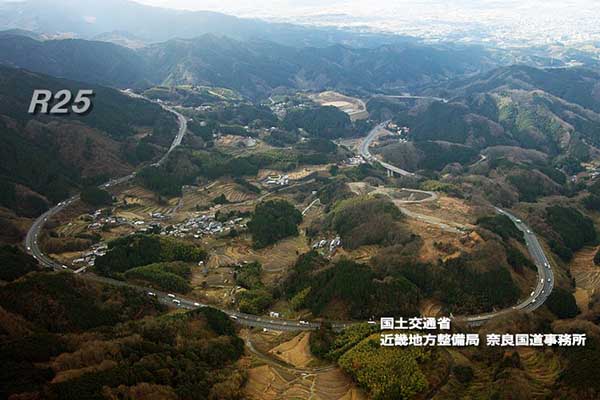
The warning drew extra attention because of where it was issued. Takamine sits near a sequence of tight, looping bends popularly nicknamed the “Omega Curve,” a place where the road wriggles around the terrain in a succession of sharp radii. Even in the dry, the combination of gradient, curvature, and limited shoulder space demands care. In winter weather, that geometry becomes unforgiving: momentum builds on the downslopes, visibility compresses in flurries, and any loss of traction multiplies risk in an instant. Locals know it as a spot where one driver’s misjudgment can snarl traffic for kilometers.
The Meihan’s outsized importance
Beyond its tricky topography, the Meihan National Highway—formally part of National Route 25’s bypass between Nara and Mie Prefectures—serves as an expressway-standard, toll-free artery linking the Kansai and Tokai economic zones. It ties Tenri in Nara to Kameyama in Mie, connecting logistics routes between Osaka, Nara, and Nagoya. Any closure or major slowdown ripples quickly across delivery schedules, commuter routes, and emergency services. In that context, MLIT’s photos and forceful language were as much about protecting regional flow as preventing fender-benders.
Hashtags that stopped the scroll
If the message felt unusually blunt, that appears to have been the point. The phrasing—“normal tires are just a sled”—rolled across Japanese social media, where users did double takes at the unvarnished tone coming from an official government channel. Some initially thought a parody account was at work before realizing it was the real Nara National Highway Office. As one user put it: “I thought those hashtags were someone’s joke, but it was the real MLIT!” Another added: “Exiting Takamine is scary even on a good day—snow makes it terrifying.” Others chimed in with alarm: “I’ve never seen the Meihan this snow-covered around Tenri,” “Meihan-Kokudō is in serious trouble,” and “The Omega Curve has turned into a hellscape.” The reactions captured a collective shiver: a familiar road suddenly unfamiliar, and a government voice that matched the gravity.
Wider weather picture—and why Nara feels this
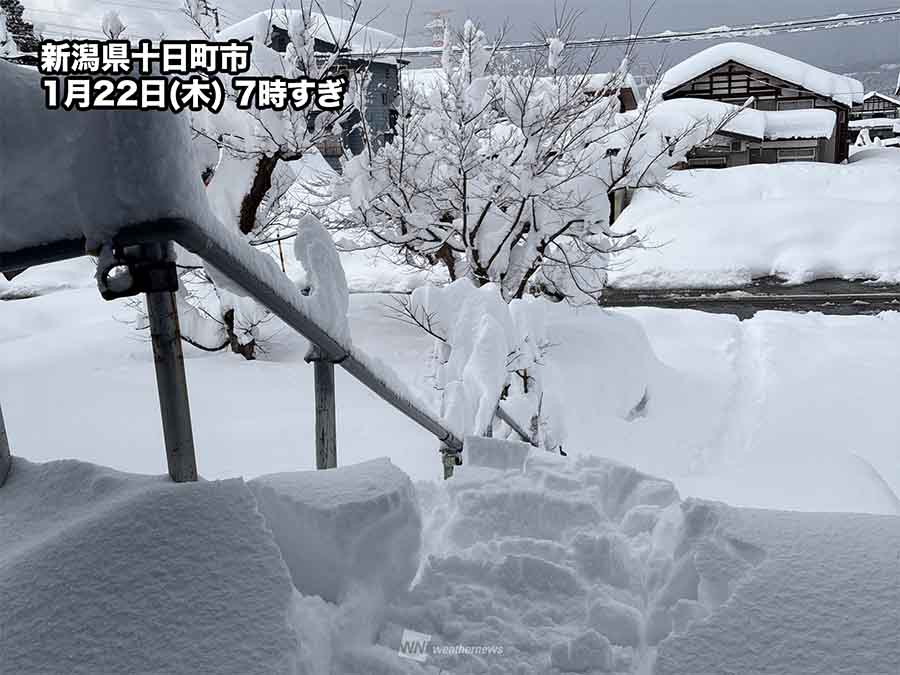
The weekend system brought widespread snowfall across Japan, with inland basins and elevated passes catching colder air and producing quick accumulation. Nara Prefecture, despite its relatively low elevation around Tenri, funnels traffic into hillier terrain on the Meihan where temperature, wind exposure, and shading from the surrounding ridges can keep pavement colder for longer. That microclimate effect, combined with tight bends, makes even a few centimeters of snow consequential. In such conditions, the difference between winter-rated tires and ordinary ones is not subtle: braking distance, lateral grip, and the ability to recover from a slide all change dramatically.
Safety first: what officials want drivers to do
MLIT’s core guidance is simple: do not enter the route on normal tires. Drivers should equip proper winter tires (with sufficient tread depth), carry snow chains where appropriate, and be ready to delay or cancel trips. Even with winter equipment, officials advise gentle acceleration and braking, expanded following distances, and avoiding sudden steering inputs—especially on the Omega Curve complex. Chain regulations or temporary restrictions are common across Japan during snow events; motorists should check MLIT and local road office updates before setting out and heed any closures or controls. For professional drivers, dispatchers are being urged to reroute long-haul freight and reschedule deliveries to avoid peak snowfall windows, reducing strain on the corridor.
Japan’s playbook for treacherous passes
Japan’s road managers have decades of experience battling localized winter hazards on key connectors. Patrols monitor pavement temperature, plow in tight rotations where lanes permit, spread de-icing agents on known black-ice patches, and can stage tow crews at bottlenecks to clear stalled vehicles swiftly. The Meihan’s hybrid status—built to expressway standards but managed as a general national highway—means MLIT’s local offices are hands-on, and their visibility on social platforms is increasingly part of the risk-reduction toolkit. Blunt, memorable language can save time, and in winter traffic management, seconds matter.
Balancing mobility and caution
Japan’s logistics network is resilient, and the Meihan’s operators have proven adept at threading that needle between keeping goods and people moving and knowing when to pause the flow for safety. But the system depends on driver compliance. One car on the wrong tires can cascade into multi-vehicle incidents, long backups, and even emergency access delays. That is why the Nara office’s “just a sled” warning resonated: it cut through the temptation to gamble on familiar roads in unfamiliar conditions.
Outlook
As crews continue monitoring and treating the Takamine sector, motorists can expect intermittent slowdowns and potential controls until temperatures stabilize. Officials will update advisories via MLIT and regional road-information portals, and live cameras—like the one that triggered this viral reminder—remain a powerful tool for real-time decision-making. The bottom line is clear and characteristically Japanese in its pragmatism: respect the conditions, trust the professionals, and when authorities say “absolutely do not,” it is because they are working to keep everyone, and the country’s vital arteries, moving safely.