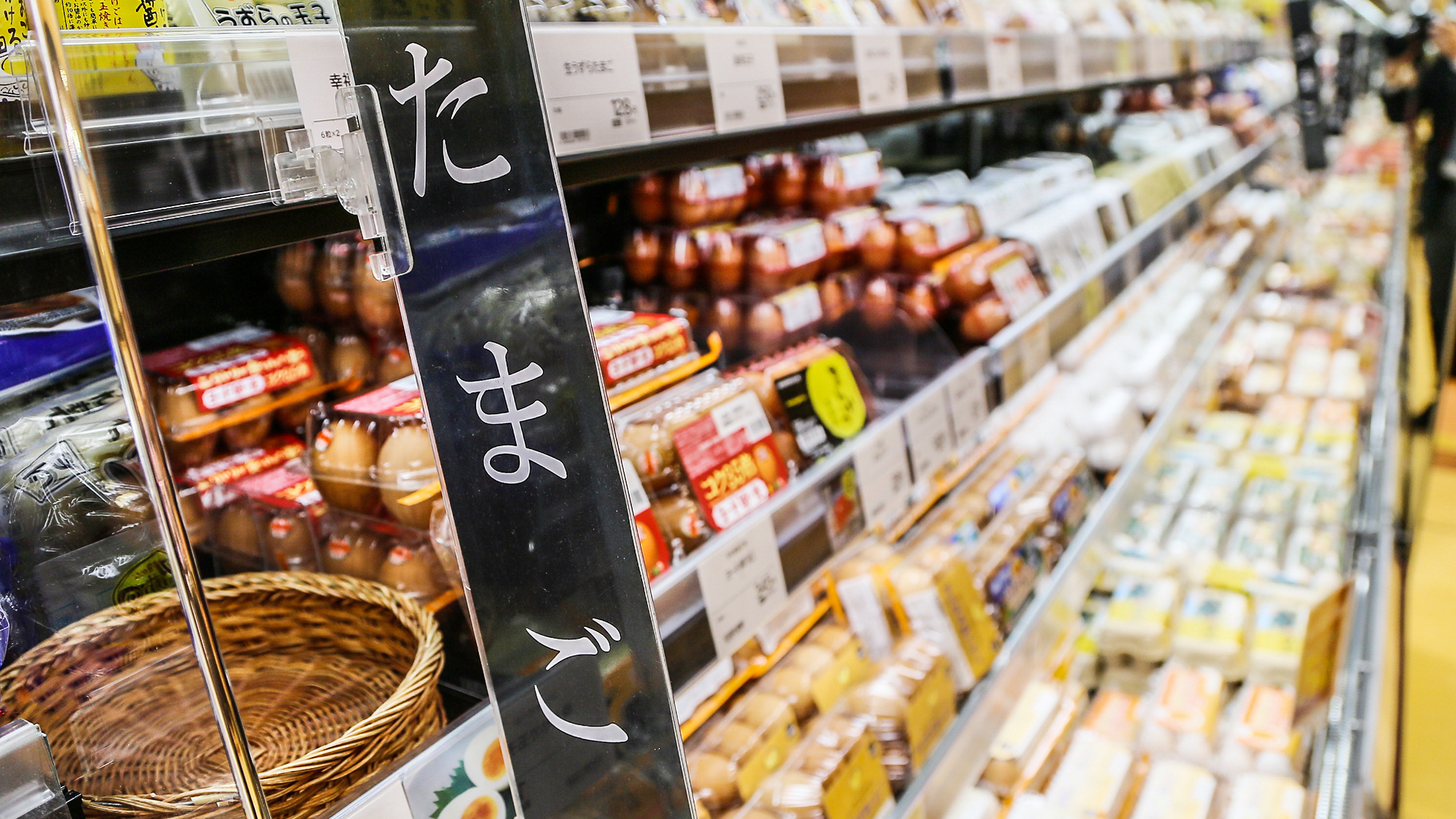
A perfect storm of lingering disease aftermath and seasonal demand is sending egg prices in Japan to dizzying heights, threatening to squeeze household budgets and restaurant margins alike. The situation is so severe that current prices are approaching the peak levels seen during the notorious "Egg Shock" of 2023, creating a sense of d_j_ vu for consumers and businesses. The root of the crisis lies in the devastating outbreak of highly pathogenic avian influenza (bird flu) that swept through the country last season, from which the national flock has yet to fully recover.
The Ghost of Bird Flu Past
According to the Japan Poultry Association, the bird flu outbreak that began last autumn and continued into the start of this year led to the culling of approximately 8.41 million egg-laying hens. This staggering figure represents about 6.5% of the entire national flock dedicated to egg production. Such a significant reduction in laying capacity created a fundamental supply shortage that has persisted throughout the first half of the year. The industry's recovery is a slow process; repopulating farms with new hens and bringing them to laying maturity takes months, not weeks. This supply-demand imbalance laid the foundation for the sustained high prices that are now being exacerbated by new factors.
The "Tsukimi" Effect: Seasonal Demand Intensifies the Squeeze
Just as the market was struggling with constrained supply, autumn arrived, bringing with it the annual "Tsukimi" or "moon-viewing" season. A beloved tradition in Japanese food culture, Tsukimi involves dishes where a raw egg yolk, representing the full moon, is featured prominently. Fast-food chains and restaurants nationwide capitalize on this tradition, launching limited-time offers like Tsukimi burgers, Tsukimi soba, and Tsukimi udon. This massive, coordinated surge in demand from the food service industry places an immense additional strain on the already tight egg supply, acting as a catalyst for the latest price spike.
The Numbers Don't Lie: Record-Breaking Prices
The data paints a stark picture. The average wholesale price for medium-sized eggs in the Tokyo area in September, as compiled by JA Zennoh Tamago, was 320 yen per kilogram. This is 64 yen higher than the same period last year and marks the highest price ever recorded for the month of September. The trend has shown no sign of reversing in October, with the average price as of the 14th reaching 325 yen. Analysts are watching closely to see if the market will test the 350 yen per kilogram peak witnessed during the 2023 Egg Shock, a scenario that seemed increasingly likely.
Ripple Effects Across the Food Industry
The impact of soaring egg prices extends far beyond the supermarket dairy aisle. The food manufacturing industry, which relies heavily on eggs as a key ingredient, is feeling the pinch acutely. Major food producer Kewpie, for instance, implemented a price hike in September for its flagship mayonnaise product. A 450-gram bottle saw its reference price increase from 520 yen to 559 yen (including tax). Mayonnaise is predominantly made from egg yolks and oil, making it highly susceptible to fluctuations in egg costs. This is just one example; countless other products, from baked goods and pasta to custards and sauces, are facing similar cost pressures, which are likely to be passed on to consumers in the form of higher retail prices.
On the Front Lines: Restaurants in a Bind
Restaurants, particularly those specializing in egg dishes, are caught in an impossible situation. At "Kitchen Eggs," an omelet specialty restaurant in Tokyo's Adachi Ward, the owner, Masaaki Kamiyama, has been forced to implement gradual price increases for his signature dish, moving it from 1,100 yen to 1,150 yen (before tax). He laments that while the price of eggs is a major factor, rising utility and labor costs also contribute to the pressure. Further price increases, however, risk alienating his customer base, as he noted a clear slowdown in foot traffic after the last hike. For establishments like his, reducing the number of eggs used is not an option without compromising the essential quality and identity of their food.
A Glimmer of Hope, Tempered by Uncertainty
The Japan Poultry Association offers a cautiously optimistic forecast, suggesting that the egg supply should begin to recover after the new year, which would likely lead to a calming of prices. The recovery, however, is fragile and hinges on a critical unknown: the trajectory of the upcoming bird flu season. If Japan experiences another severe outbreak this winter, the current supply crisis could be prolonged, pushing prices even higher and sustaining them for longer. The industry is on high alert, implementing strict biosecurity measures in an attempt to protect the remaining flocks.
Navigating the High-Cost Environment
For consumers, navigating this period of high egg prices requires some adaptation. Being flexible with protein sources, such as incorporating more tofu, beans, or fish, can help reduce reliance on eggs. When purchasing eggs, buying in larger trays where cost-effective and ensuring proper storage to minimize waste can stretch the household budget. For businesses, the situation is a stark reminder of the vulnerabilities in concentrated supply chains and may prompt a longer-term search for diversification or alternative ingredients where feasible. The humble egg, a staple of the Japanese diet, has become a central character in a complex story of animal disease, seasonal tradition, and economic resilience.