Japan is moving to protect households from extreme heat costs while shoring up the efficiency of its healthcare system. The Cabinet has approved the use of 513.5 billion yen from this fiscal year’s contingency fund to ease electricity and gas bills during the peak summer months, even as the Ministry of Health, Labour and Welfare (MHLW) formalizes the ability of medical institutions to charge cancellation fees from June. With temperatures above 40°C forecast in parts of the country this summer, the measures aim to keep homes safely cooled and clinics running on time—key considerations for residents, including Japan’s growing expat community.
Summer energy relief: how much and when
Between July and September, the government will reduce electricity and gas charges by roughly 5,000 yen in total for typical users, according to the decision announced by Finance Minister Satsuki Katayama. The subsidy will be financed from the reserve fund, a tool usually kept for emergencies, reflecting the government’s push to safeguard public health during severe heat. While the exact per‑kilowatt‑hour or per‑cubic‑meter credits will be detailed by relevant ministries and utilities, similar past programs were automatically applied as discounts on monthly bills—no application required for standard residential customers.
Japan has deployed energy and fuel subsidies repeatedly since global prices surged, with support for electricity, gas, and gasoline now totaling close to 15 trillion yen. That scale has prompted debate within government about a long‑term exit strategy and whether contingency funds should routinely cover seasonal utility spikes. For now, officials emphasize that 2026’s expected “extreme heat” warrants targeted, time‑limited relief to keep air conditioners running safely and prevent heatstroke, especially for children, the elderly, and workers.
June shift in healthcare: clinics can charge for no‑shows
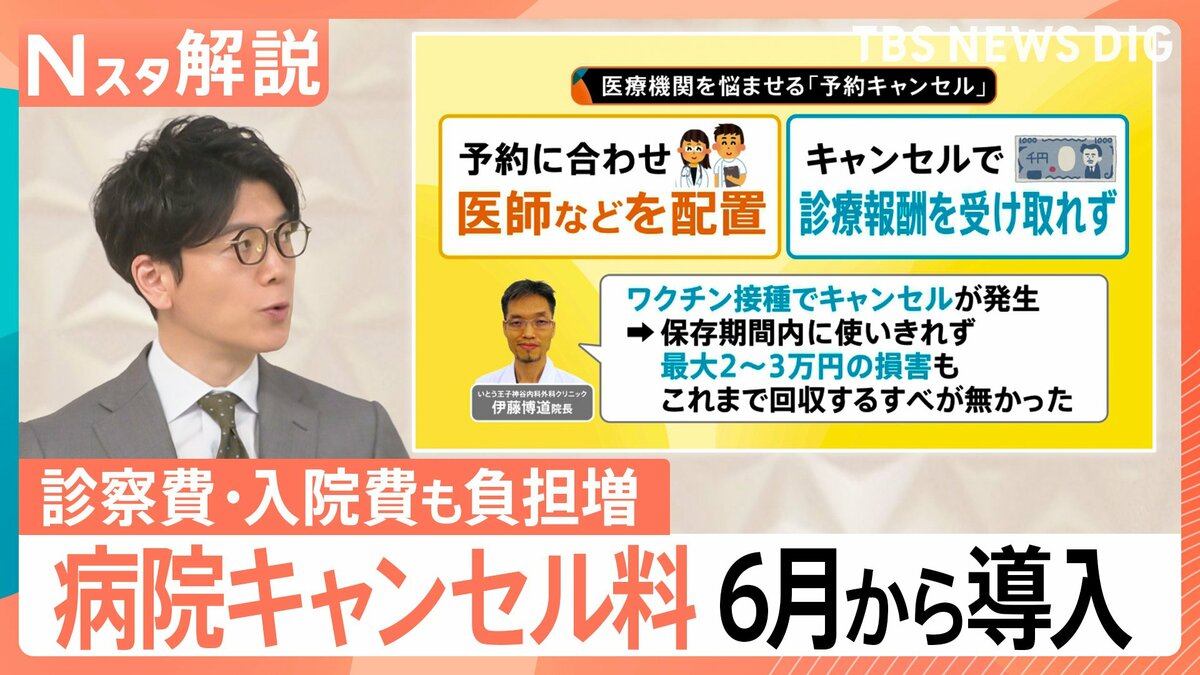
From June, the MHLW will explicitly allow medical institutions to bill cancellation fees under defined rules, ending a gray zone that left providers absorbing losses from last‑minute cancellations and no‑shows. Each clinic or hospital may decide whether to adopt fees and how much to charge, provided policies are disclosed in advance and applied transparently. A Tokyo dental practice, Kawanaka Dental Clinic, has posted that from June 1 it will charge 2,200 yen for same‑day cancellations and 3,300 yen for no‑shows. The clinic’s director says two to three same‑day cancellations occur daily, wasting reserved staff time and sterilized instruments prepared for treatment. In vaccine cases, some providers report losses of 20,000–30,000 yen when doses expire unused, a cost they previously had no way to recover.
Patients interviewed acknowledged the fees feel significant but said they would be more committed to keeping appointments—or to cancelling early if plans change. Broadly, providers indicate they will consider unavoidable circumstances, but the goal is to cut waste and free up time slots for other patients. For foreigners in Japan, this change aligns with international norms: in many countries, healthcare no‑show fees help maintain access and punctuality. The message is simple—confirm appointments, cancel early when necessary, and check your clinic’s posted policy.
Small fee adjustments for patients
Also from June, standard out‑of‑pocket charges will nudge upward for those who pay a 30% copay at the counter: initial outpatient fees rise by 57 yen, return visit fees by 21 yen, inpatient basic fees by 558 yen, and inpatient meal charges (for general income patients) by 40 yen. Japan’s universal health insurance keeps most costs predictable, and these adjustments are modest, but patients should expect slight changes on bills. Copay rates vary by age and income, so check your health insurance card category or consult your insurer for details.
What this means for residents and expats
For households: watch your July–September utility statements for automatic credits and continue using air conditioning appropriately during heat alerts. For patients: reconfirm booked times, keep contact details updated, and cancel early if ill or delayed—fees and policies differ by provider. For the broader economy: the energy relief offers short‑term protection against heat risks, while the healthcare policy aims to reduce inefficiency and protect access to care. Together, the measures reflect Japan’s pragmatic approach: targeted support in a challenging summer, paired with clearer rules that help essential services run smoothly. The debate over long‑term subsidy exits will continue, but for now, the priority is resilience—keeping people safe, clinics effective, and communities well‑served.