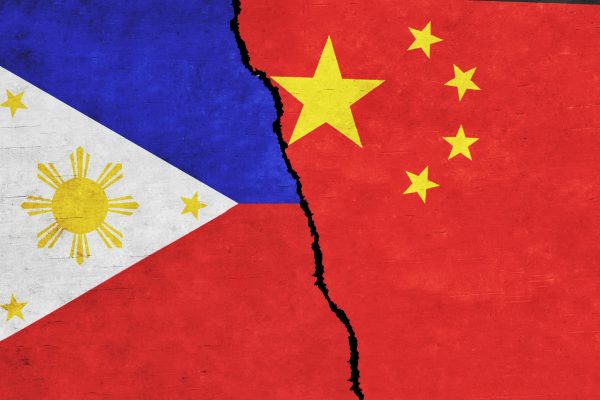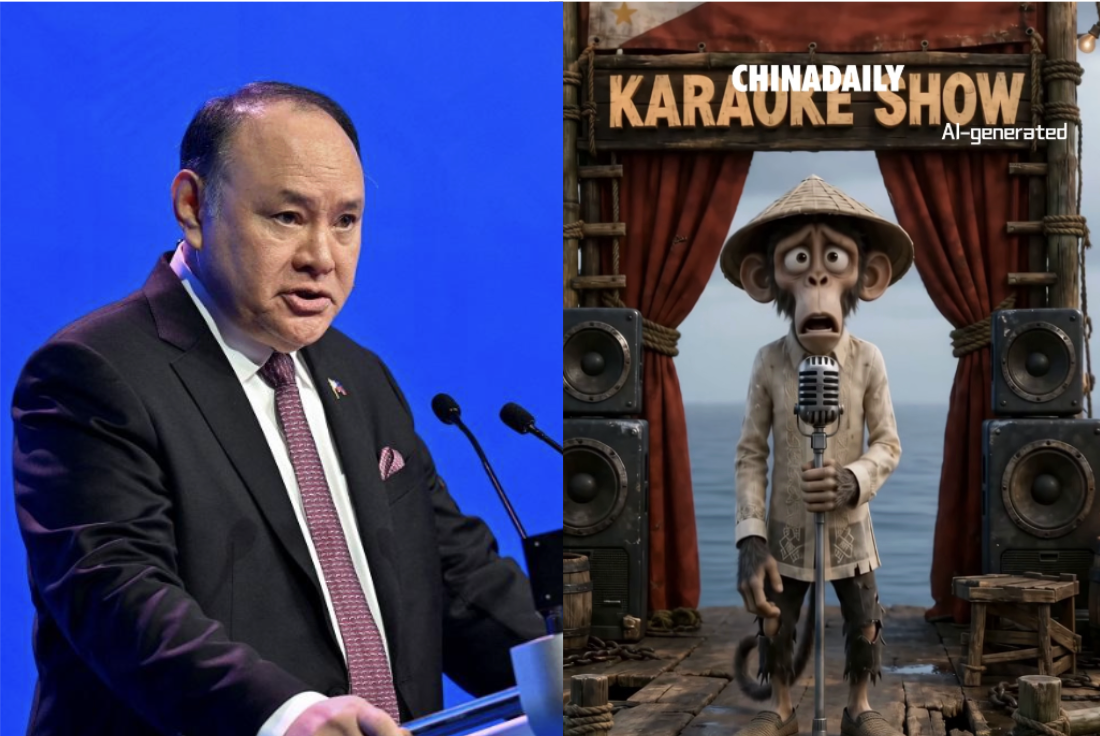
Manila/Tokyo — Philippine Defense Secretary Gilbert Teodoro on Thursday night condemned a China Daily social media post that depicted Filipinos as monkeys while attacking the 2016 arbitral ruling that invalidated Beijing’s expansive claims in the West Philippine Sea. The post appeared on July 10, just two days before the 10th anniversary of the landmark decision by the Permanent Court of Arbitration (PCA) that affirmed the Philippines’ exclusive economic zone (EEZ) under international law. China Daily is a state-run newspaper; Beijing has long rejected the tribunal’s ruling and maintains its claims in the South China Sea.
Manila condemns racist imagery tied to maritime disputes
Teodoro’s rebuke reflects growing frustration in Manila over online narratives that seek to delegitimize the PCA ruling and stoke division. Racist caricatures are not only demeaning, officials say, but also corrosive to diplomatic efforts and public trust at a time when the Philippines is intensifying patrols, strengthening alliances, and documenting incidents at sea. The controversy highlights how information operations and social media messaging now run in parallel with coast guard stand-offs, fishing rights disputes, and legal arguments.
The 2016 arbitral award, in brief
In July 2016, the PCA in The Hague, convened under the UN Convention on the Law of the Sea (UNCLOS), ruled that China’s “nine-dash line” has no legal basis and found that several Chinese activities in the Philippines’ EEZ were unlawful, including interference with Philippine fishing and harmful construction on maritime features. The tribunal did not rule on sovereignty over islands but clarified maritime entitlements. While the award is legally binding on the parties, enforcement relies on international pressure and state practice. China did not participate in the proceedings and rejects the outcome; the Philippines, by contrast, calls the decision a “north star” for maritime conduct.
Information warfare meets real-world risk
Online posts that deploy racialized imagery escalate tensions well beyond the digital sphere. They can harden public opinion, complicate crisis management, and fuel miscalculation at sea—where vessels from multiple countries already operate in close proximity. Regional observers warn that inflammatory narratives risk normalizing confrontation just as ASEAN states and partners look for practical confidence-building steps, from hotlines to protocols for encounters between coast guards.
Why this matters to Japan
Japan’s stake is direct and enduring. The South China Sea is a vital artery for Japanese trade and energy supplies, and Tokyo consistently champions a Free and Open Indo-Pacific anchored in the rule of law. Japan has publicly supported the 2016 award and boosted practical cooperation with the Philippines—financing Japanese-built coast guard vessels via development assistance, transferring long-range air surveillance radars under its defense equipment framework, and expanding joint exercises with the Philippines and the United States. The three nations held a landmark trilateral summit in 2024, and Tokyo and Manila are discussing a Reciprocal Access Agreement to streamline training and disaster-response deployments. For Japan, countering coercion and disinformation—while upholding dignity and international norms—is part of preserving a predictable maritime order from the South to the East China Sea, including waters around the Senkaku Islands.
Regional implications
The uproar over the China Daily post arrives as governments and civil society mark a decade since the PCA ruling. Expect renewed legal and diplomatic messaging from Manila and its partners, along with stepped-up transparency about incidents at sea. For like-minded countries—Japan, the Philippines, the United States, Australia, and European allies—the episode strengthens the case for coordinated maritime domain awareness, coast guard capacity-building, and consistent public diplomacy grounded in facts, not invective. Investors and shipping companies, meanwhile, prize stability: a durable rules-based order reduces risk premiums and supply-chain volatility.
What to watch next
Key signposts include any formal responses from Manila to the offending post, platform moderation actions, and signals from Beijing ahead of the ruling’s anniversary. On the cooperation front, track progress on the Japan–Philippines Reciprocal Access Agreement, additional coast guard vessel deliveries and training, and further multilateral drills designed to improve communications and de-escalation at sea. As the information space grows more contested, Japan’s steady support for international law—and its quiet, practical assistance—will remain central to keeping the Indo-Pacific open, safe, and respectful.