A fatal accident at a flagship facility
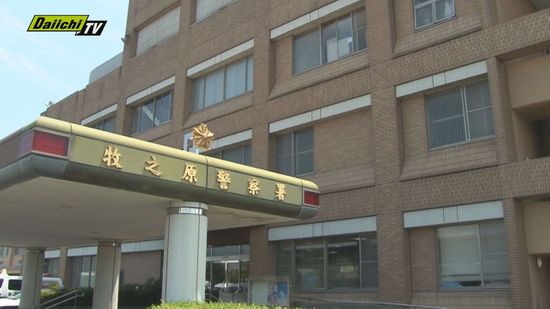
A 24-year-old Suzuki Motor Corporation employee died on the afternoon of the 22nd after an incident on an internal test course at the company’s Sagara Plant in Makinohara City, Shizuoka Prefecture. According to police and fire officials, an emergency call reported that a person had been pinned between a vehicle and a wall inside the plant’s proving ground. The worker, a male resident of nearby Kikugawa City, was transported to a hospital but was later pronounced dead. Authorities have launched a full investigation into the circumstances leading to the accident, which is believed to have occurred during a vehicle inspection task.
The emergency call and initial response
Shortly after 3 p.m. on the 22nd, Shizuoka firefighting services received an alert from Suzuki’s Sagara facility, located in the Shirai area of Makinohara. Dispatchers were informed that “a person had been trapped between a car and a wall” on the test track used for in-house vehicle evaluation and quality verification. Rescue teams arrived and administered emergency care before the victim was rushed to a medical facility. Despite intensive efforts, the man’s injuries proved fatal.
What investigators are examining
While the full sequence of events remains under review, police said early indications suggest the employee may have been struck or run over during inspection work. Investigators are expected to examine a range of factors: visibility conditions on the track; positioning protocols for technicians and drivers; the speed and maneuvering of the vehicle; the mechanical state of the car involved; and whether safety barriers, communication procedures, and lockout or spotter systems were properly in place at the time. They will also review schedule logs, CCTV, and work orders to establish who was authorized to be on the proving ground and what precautions were required for that specific task.
Inside an automotive test course
Internal proving grounds at major Japanese automakers are designed to simulate real-world driving and to validate the performance and safety of vehicles before they leave the factory. Such tracks typically include straightaways, turns, gradients, and various surface types to reproduce different conditions. Work on or near these areas can be highly controlled, with strict access rules and standard operating procedures to keep people and moving vehicles separated. Even in such carefully managed environments, the combination of heavy machinery, confined structures, and routine maintenance tasks can pose risks if protocols break down or if a momentary miscommunication occurs.
A pillar of Shizuoka’s industrial base
Suzuki, headquartered in Shizuoka Prefecture, is a cornerstone of Japan’s globally respected automotive sector. The Sagara Plant in Makinohara is one of the company’s signature facilities, supporting both domestic manufacturing and the final validation of vehicles that embody Japan’s reputation for quality, efficiency, and craftsmanship. The plant’s test course plays a vital role in ensuring that cars meet exacting standards before shipment, reflecting the methodical approach that has helped Japanese automakers earn trust at home and abroad. Local communities across Shizuoka, including Makinohara and neighboring Kikugawa, are closely tied to this industrial ecosystem, with generations of families contributing to manufacturing excellence.
Japan’s safety culture and the path forward
Workplace safety is taken exceptionally seriously in Japan, where companies and authorities alike emphasize continuous improvement, training, and meticulous adherence to procedures. Incidents of this nature are rare relative to the scale of complex operations carried out daily across the country’s factories. When tragedies do occur, standard practice involves an immediate pause to reassess the specific work environment, a thorough internal review that complements the police investigation, and, where necessary, swift implementation of enhanced safeguards. Observers expect that Suzuki will cooperate fully with investigators and conduct its own detailed assessment to prevent any recurrence, consistent with Japan’s emphasis on transparency and lessons learned.
Questions investigators will seek to answer
Key issues for authorities include whether a vehicle moved unexpectedly during inspection; if a spotter, barrier, or lockout system should have been in place; whether communications among team members were clear; and how the worker came to be in a position where he could become pinned. They will likely examine whether the layout of the test course includes choke points near walls or structures that require additional protective measures, and whether time pressures or scheduling played any role. Findings in Japan typically lead to specific, actionable remedies—ranging from added physical barriers and revised traffic flows to new checklists, training modules, and digital alert systems that better separate people from moving vehicles.
Community impact and corporate responsibility
For Makinohara and the broader Shizuoka region, the loss of a young worker resonates deeply. Manufacturing sites like Sagara are not just workplaces; they are part of the social fabric, supporting local businesses, schools, and services. In line with Japanese corporate norms, companies commonly extend support to affected families and colleagues, while also communicating with local authorities and labor standards offices about the actions they will take. The expectation is not only compliance with regulations, but the reaffirmation of a safety-first mindset that protects workforce dignity and community trust.
Respect for the victim and ongoing updates
Authorities have not released the identity of the deceased worker as they notify next of kin. Out of respect for the family, details about the injury are limited. Police and fire officials say further information will be provided once the on-site investigation and evidence reviews progress. In the meantime, any operational adjustments at the test course are likely to be disclosed after initial safety checks, as is common practice across Japanese industry when serious accidents occur.
Why it matters
This incident underscores the complex realities of modern manufacturing, where even highly controlled environments can harbor risks, and where the margin for error is narrow. Japan’s auto sector is known for robust safety and a culture of continuous improvement; that same culture will now be called upon to learn from this tragedy. As investigators clarify what happened on the Sagara test course, the focus will be on honoring the victim through meaningful corrective action—reinforcing the standards that have long made Japanese manufacturing a global benchmark for quality and care.