
Chinese Osaka Consul Reemerges Publicly Three Months After “Cut Off Your Filthy Head” Furor
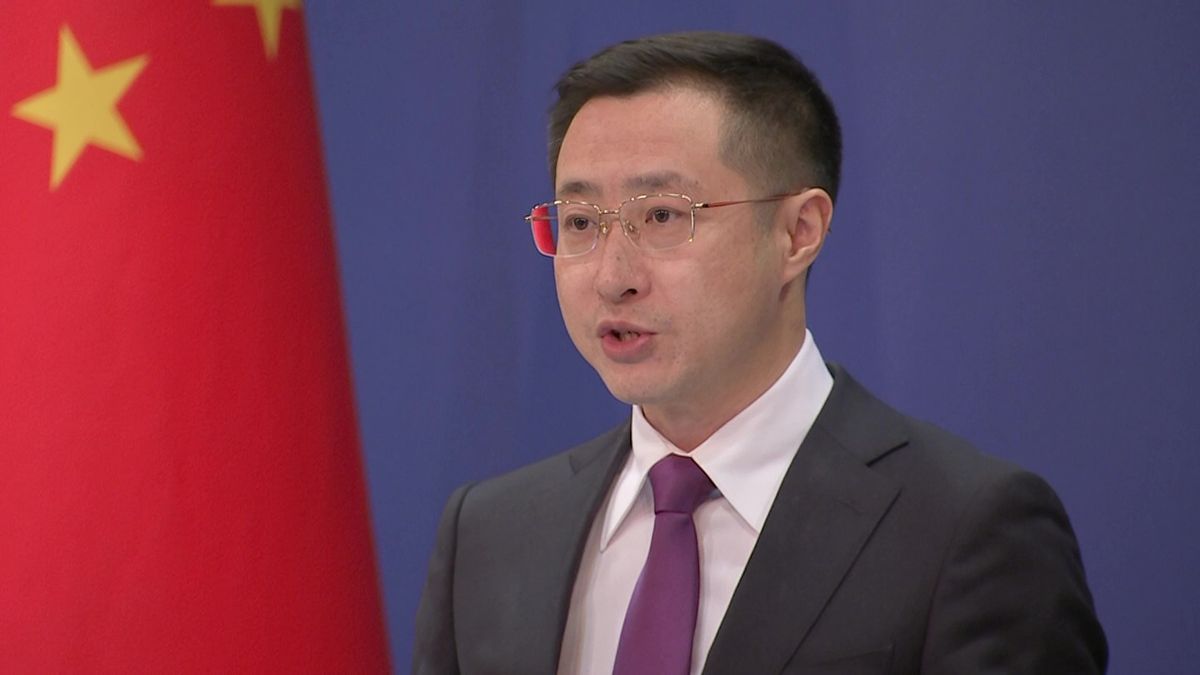
China’s Consul General in Osaka, Xue Jian, made his first public appearance in roughly three months on February 10, addressing a Spring Festival celebration hosted by the consulate after a November social media outburst in which he threatened to “cut off” the “filthy head” of Prime Minister Sanae Takaichi over comments related to a Taiwan contingency. The incident drew sharp criticism at home and abroad and highlighted the strains in Japan–China relations at a sensitive time for regional security.
First Public Appearance Since Controversial Post
According to the consulate’s official social media, around 100 people, including representatives of Chinese companies and Chinese students in Japan, attended the Lunar New Year gathering in Osaka. In brief remarks, Xue asserted that “amid a severe and complex phase in bilateral ties, China’s policies and positions remain clear and consistent.” He urged the Japanese government to “safeguard the political foundation of bilateral relations and regional peace through concrete action.”
The November Outburst That Sparked Outrage
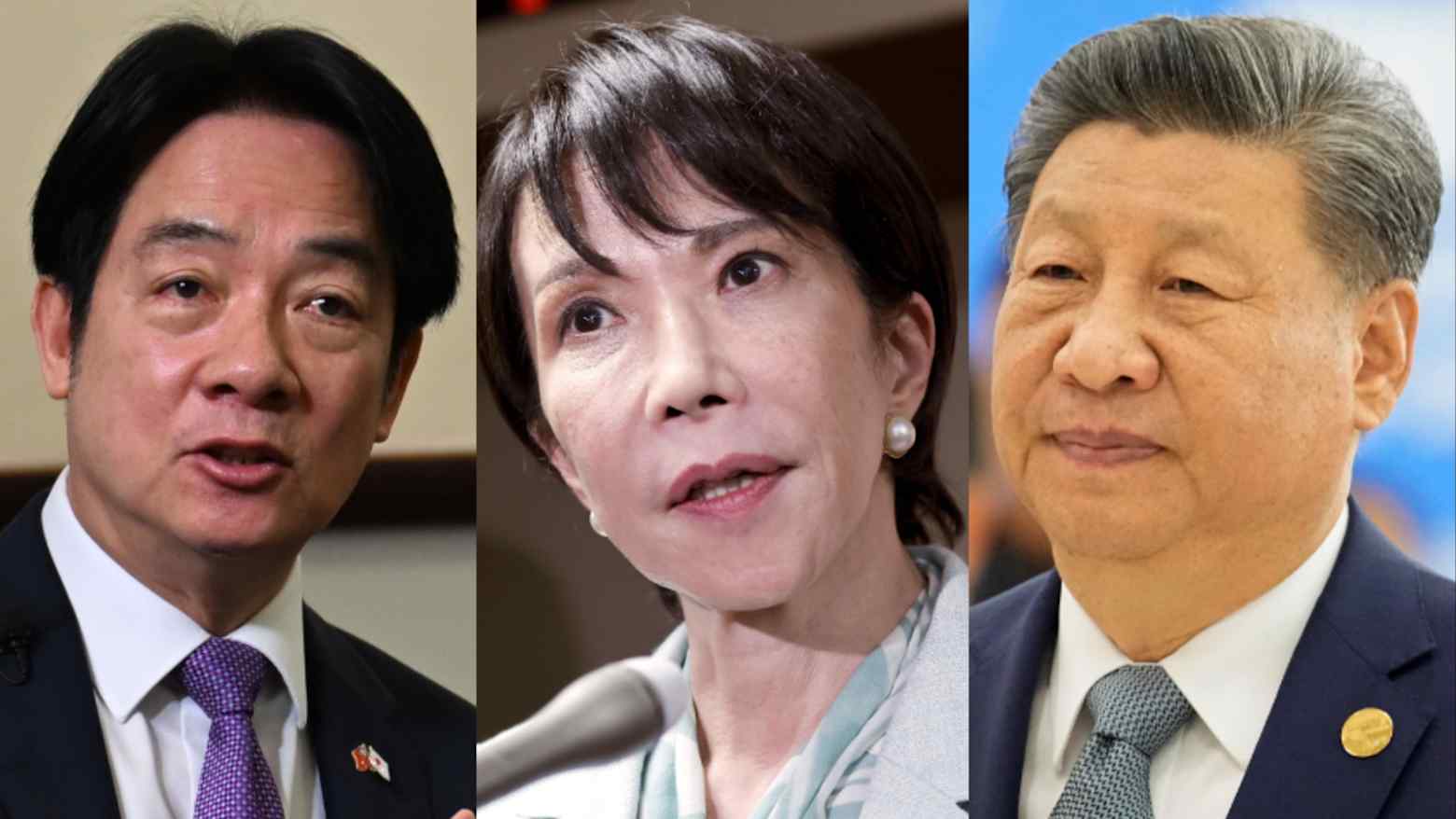
Xue’s reemergence comes after his late-November post on X, the platform formerly known as Twitter, in which he responded to Prime Minister Takaichi’s comments about a potential Taiwan crisis by declaring, “I’ll cut off your filthy head.” The belligerent threat—made by an accredited representative of a foreign government on Japanese soil—ignited immediate controversy. It drew condemnation not only from Japanese commentators across the political spectrum but also from international observers who saw it as emblematic of an aggressive “wolf warrior” style that undermines diplomacy.
Japan’s Measured but Firm Stance
Japan prizes steady, principled diplomacy grounded in the rule of law and respect for international norms. Violent rhetoric—particularly from a serving diplomat—runs counter to the standards codified in the Vienna Convention on Consular Relations, which calls on consular officers to respect the laws and not interfere in the internal affairs of the host state. Tokyo’s approach has emphasized restraint and consistency: it continues to advocate for open channels with Beijing while making clear that intimidation and personal threats have no place in relations between responsible nations.
Context: Taiwan and Regional Security
Successive Japanese leaders have stressed that peace and stability across the Taiwan Strait are essential for Japan’s security and for the wider Indo-Pacific. Prime Minister Takaichi—long recognized as a conservative voice on defense policy—has underlined the risks that any coercive change to the status quo would pose to Japan’s sea lanes, supply chains, and overall strategic environment. Her remarks in November came in that context, reflecting a mainstream view in Tokyo that deterrence, transparency, and alliance coordination are crucial to preventing conflict and sustaining stability.
What Xue Said—and What He Did Not
In Osaka, Xue avoided revisiting the November episode and offered no public apology in his brief greeting. Instead, he framed the moment as a test of bilateral relations, asserting China’s “clarity and consistency” and calling on Japan to protect the “political foundation” underpinning ties. In Beijing’s lexicon, that phrase typically refers to principles including historical understandings and policies related to Taiwan. Yet Japan’s position is equally consistent: it seeks stable, constructive ties grounded in international law, freedom of navigation, and peaceful resolution of disputes—and will not be swayed by threats, online or otherwise.
Diplomatic Norms Under Scrutiny
The episode has revived debate over diplomatic conduct in the social media age. While envoys have always been advocates, the trend toward theatrical online provocations has carried real costs—alienating the very publics diplomats are meant to engage. In Japan, where civility and accountability in public life are highly valued, Xue’s November threat landed especially poorly. His reappearance without contrition risks reinforcing perceptions that such rhetoric is tolerated, if not tacitly encouraged, despite its corrosive impact on public trust.
Why This Matters for Japan
For Japan, words matter—especially when uttered by foreign officials resident in the country. The government’s task is twofold: safeguard the dignity and safety of Japan’s leaders and public while maintaining the practical diplomatic channels necessary to manage a complex relationship with its largest neighbor. Tokyo will continue to back a free and open Indo-Pacific, deepen deterrence with allies and partners, and expand economic security tools to protect critical technologies and supply chains. None of those priorities preclude dialogue; indeed, dialogue is more productive when all sides adhere to basic standards of respect.
Signals Behind the Reappearance
Xue’s decision to return to a public platform at a celebratory cultural event appears calculated: it projects normalcy and community outreach at a time when his standing has been questioned. Yet symbolism cuts both ways. By not addressing the threat directly, he leaves unresolved a glaring breach of diplomatic decorum. If the aim was to turn the page, acknowledgement and accountability would have served better—especially in Japan, where public apologies are a meaningful step toward reconciliation.
Looking Ahead
Japan will keep pressing for calm, responsible conduct from all counterparts. The Spring Festival event underscores people-to-people ties that both countries benefit from and should protect. But goodwill requires guardrails. As regional flashpoints—from the Taiwan Strait to the East China Sea—carry higher stakes, words can either defuse tensions or inflame them. Japan’s expectation is simple and reasonable: engage candidly, argue forcefully if need be, but reject the language of violence. Respect is not a concession; it is the foundation of any sustainable relationship.
The Bottom Line
Three months after a threat that shocked the Japanese public, the Chinese Consul General in Osaka has stepped back into the spotlight without addressing the core issue. Japan, for its part, remains steady: committed to dialogue, anchored in alliances, and unwavering in its insistence that international norms—and basic civility—be upheld. At a time when regional peace depends on restraint and predictability, Tokyo’s principled, measured course is not just prudent; it is indispensable.