Japan is preparing a sweeping increase in fees paid by foreign nationals for residence permits and visas, arguing the move will bring costs in line with Europe and the United States while funding upgrades to immigration services. The government intends to submit a bill to the regular Diet session next year to amend the Immigration Control and Refugee Recognition Law, raising the current legal cap on fees for residence procedures for the first time since 1981, according to government and ruling coalition sources.
A Major Reset of the Fee Structure
Under plans being finalized, the cost to change one’s residence status or renew stays of one year or longer would jump to between ¥30,000 and ¥40,000, from the current ¥6,000. The fee for applying for permanent residence would surge to ¥100,000 or more, up from ¥10,000. Because existing law sets a maximum fee of ¥10,000, lawmakers must first revise the statute to allow higher charges. The proposal would mark the second major increase in less than two years: in April this year, the government raised fees by ¥2,000 to reflect higher prices and labor costs.
The move is framed as part of a broader economic package now being drafted. A statement under consideration reads: “In fiscal 2026, we will review and raise fees related to foreign residents and visa fees, taking into account the levels in major countries.” In Japan, the fiscal year begins on April 1, which implies the earliest practical start for the new schedule would be April 2026, assuming the Diet passes the legal amendments in time and ministries complete the necessary ordinance revisions.
International Benchmarks—and a New Position for Japan
Officials argue that Japan’s current rates are out of step with Western peers. In the United States, changing or renewing a work permit costs between $420 and $470 (roughly ¥65,000–¥73,000 at recent exchange rates), while in Britain comparable processes cost £827 (about ¥169,000). Germany’s fees for changing or renewing a residence permit fall between €93 and €98 (approximately ¥16,000–¥17,000). If Japan implements a ¥30,000–¥40,000 range, it would land well below the U.K. and U.S. levels for certain categories but above Germany’s standard charges for residence permits, reflecting the complexity of “alignment” in a patchwork of national systems.
In parallel, the Foreign Ministry plans its first visa fee hike since 1978. A single-entry visa currently costs ¥3,000 and a multiple-entry visa ¥6,000. For comparison, short-stay visas are $185 (about ¥28,000) in the United States and £127 (about ¥25,000) in Britain. The ministry is expected to reference those benchmarks as it sets Japan’s new rates. Revenue from the higher visa charges would be earmarked in part for measures tackling overtourism, which has strained infrastructure and local communities as inbound travel rebounds.
Revenue Earmarked for Services, Enforcement, and Language Support
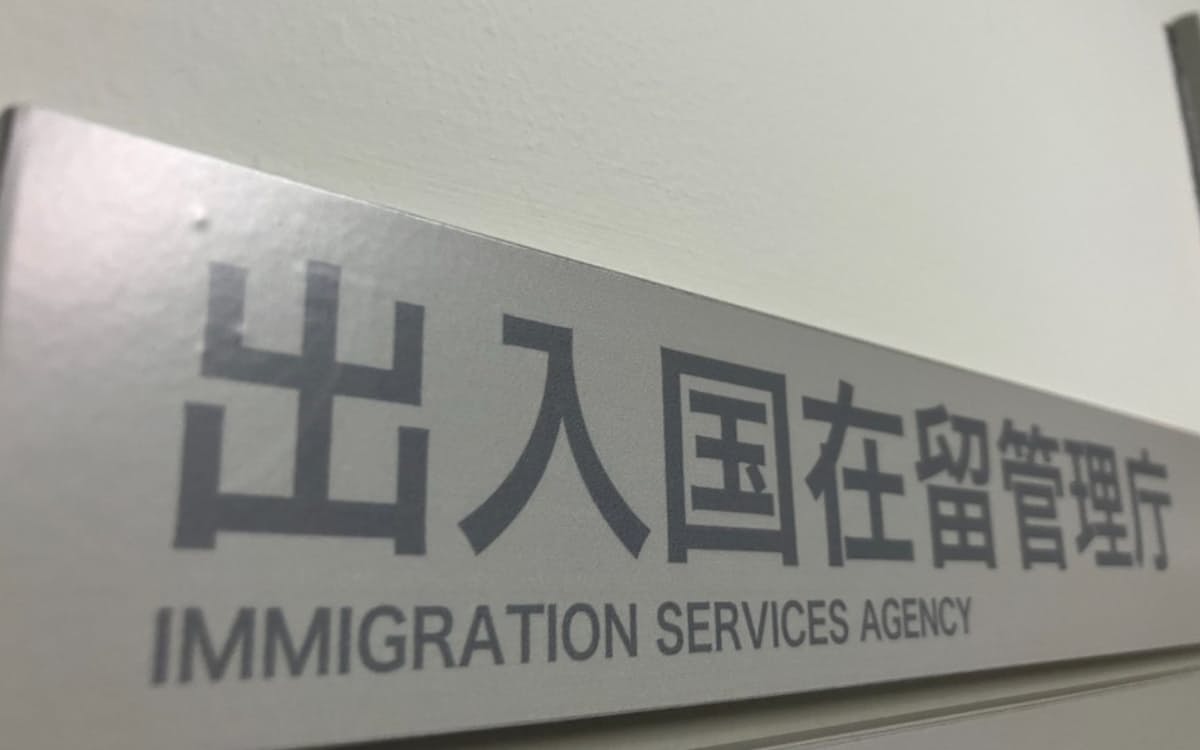
The government says money raised from both residence and visa fee increases will be reinvested into immigration-related services and policies. Priorities include speeding up screening and adjudication—long a point of frustration for employers, students, and families—expanding Japanese language education programs, and strengthening enforcement against illegal residents. The Immigration Services Agency estimates that roughly 70,000 people are living in Japan without valid status. As of June, the foreign resident population reached a record 3.96 million, underscoring how Japan’s labor market and communities are increasingly intertwined with foreign workers, students, and long-term residents.
Political and Economic Context
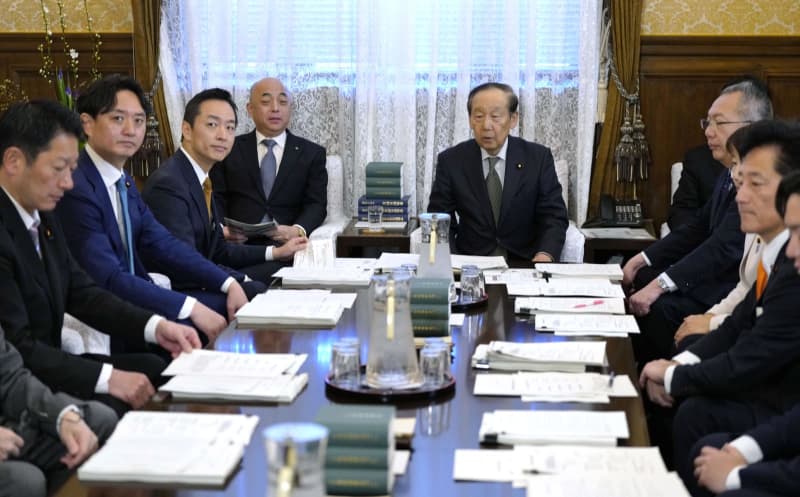
Prime Minister Sanae Takaichi’s administration has signaled it wants a tighter, more sustainable immigration framework that balances labor needs with public services and rule-of-law enforcement. In a Diet session on November 6, Takaichi fielded questions on immigration policy alongside broader economic measures to address inflation and demographic headwinds. While the government is not framing the fee hikes as a deterrent, the scale of the proposed increases—particularly for permanent residency—suggests a significant shift in how costs are shared between the state and applicants.
Economists note that, relative to the total expenses associated with moving to and living in Japan, higher application fees may be modest for many mid- and high-skilled professionals. But they could weigh more heavily on lower-wage workers and students, particularly those in the Specified Skilled Worker program or technical training tracks who already face tight budgets. Universities and companies that sponsor visas may need to adjust support packages or reimbursements, especially if faster processing is part of the government’s promise for higher fees. Business lobby groups are likely to argue that any increases should be paired with predictable processing timelines, expanded online services, and clearer guidance to minimize uncertainty.
Industry and Civil Society Reactions
Rights advocates are expected to question whether substantially higher costs create barriers to integration or entrench inequalities between well-resourced corporate hires and other migrants. Municipalities that host large foreign populations may welcome pledges to channel new revenues into language education and local services, but will press for transparent allocation to the front lines where needs are acute—from multilingual guidance at city halls to school and healthcare support.
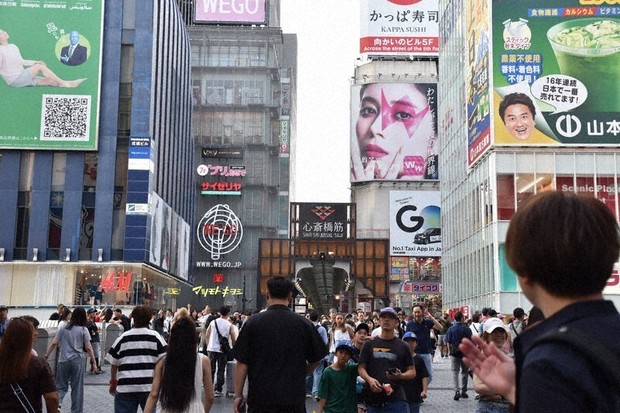
Tourism and hospitality leaders, for their part, have largely accepted the case for higher visa fees if the funds go toward managing crowded destinations, investing in transport infrastructure, and improving visitor experiences. Japan’s inbound tourism has surged back, with hot spots from Kyoto to Kamakura imposing measures to mitigate overcrowding; central funding could help scale those efforts nationwide.
What Changes for Applicants
If enacted, applicants for one-year or longer status changes and renewals should budget for a five- to seven-fold increase in fees. Permanent residency candidates would face an order-of-magnitude jump to ¥100,000 or more. Prospective short-stay visitors—from business travelers to tourists—could see visa fees rise steeply toward U.S. and U.K. levels, depending on final rates. Authorities stress that detailed schedules, exemptions, and potential transitional measures will be clarified once the Diet acts and ministries finalize ordinances. Historically, some categories—such as diplomatic or official visas and certain humanitarian cases—are treated differently.
Next Steps in the Diet
The legal cap on residence fees remains the crucial bottleneck. Amending the Immigration Control and Refugee Recognition Law would enable the Justice Ministry to publish new fee schedules. Concurrently, the Foreign Ministry can revise visa fees by regulation once cabinet-level decisions are made. Given the legislative calendar, debate is expected during the regular session early next year, with the government aiming for implementation in fiscal 2026. If the bill advances, it would represent the first statutory fee-related change in more than four decades on the residence side—an administrative overhaul that reflects Japan’s evolving role as both a destination for foreign talent and a major tourist draw.
Taken together, the reforms would mark a decisive step toward aligning Japan’s immigration and visa charges with global peers, while staking political capital on the promise that higher fees will buy faster service, stronger enforcement, and better support for integration. Whether that bargain satisfies businesses, communities, and migrants themselves will become clear as the details—and the true pace of improvements—emerge.