A Sudden Shift in Tone from the White House
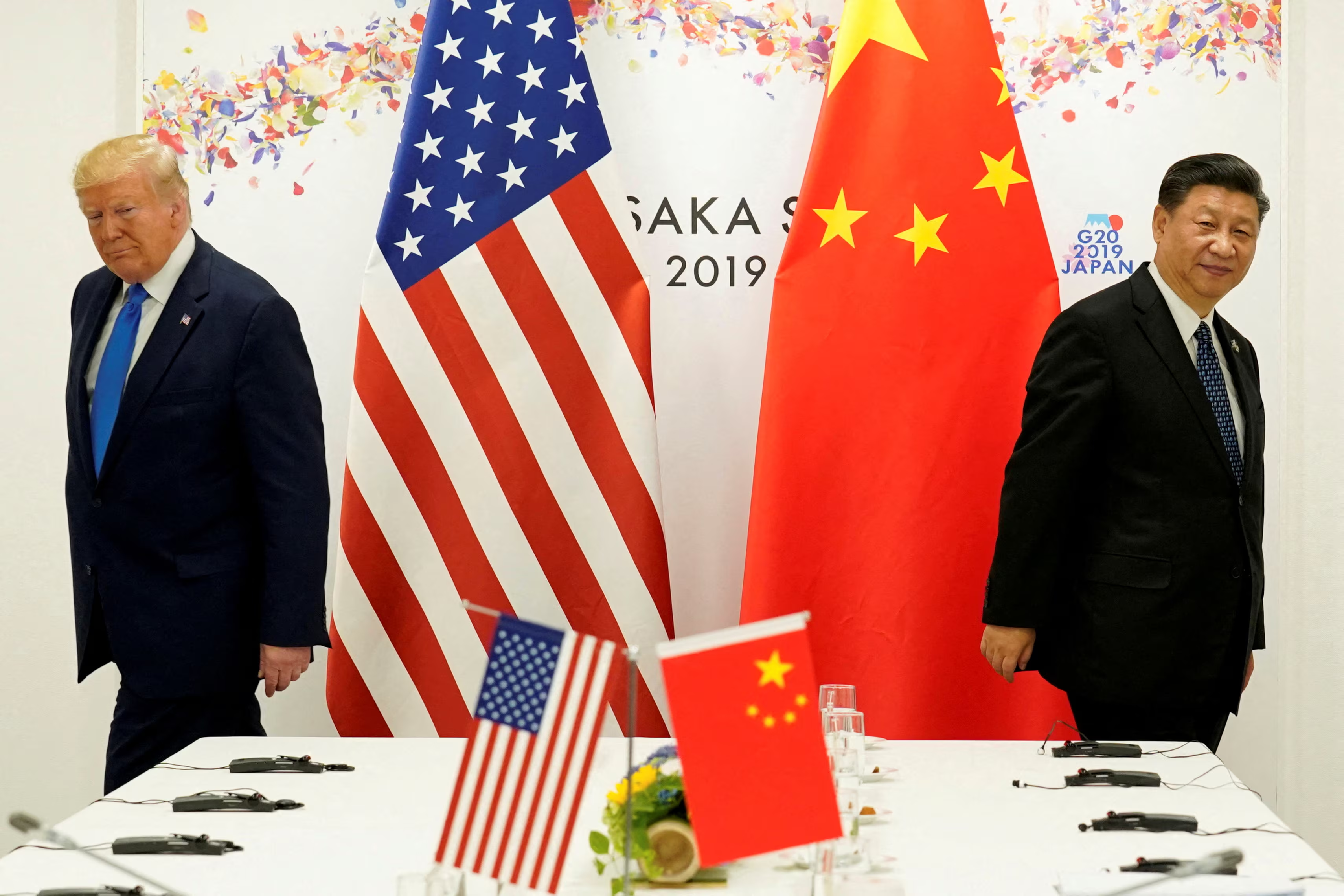
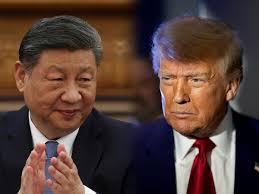
In a surprising turn of events, U.S. President Donald Trump clarified that the upcoming U.S.–China summit, initially rumored to be canceled, is “not called off.” The statement comes just days after he hinted at scrapping the meeting in protest of China’s move to tighten export controls on rare earth materials, a strategic resource critical to global technology and defense industries.
When asked by a reporter whether the meeting with Chinese President Xi Jinping had been canceled, Trump replied firmly:
“No, not yet. I haven’t canceled it. I don’t know if it will take place, but I intend to go there. So, most likely, it will happen.”
The long-anticipated summit, which is reportedly being arranged for the end of this month in South Korea, was expected to serve as a pivotal moment in easing growing economic and geopolitical tensions between Washington and Beijing.
From Cancellation Threats to Diplomacy
Just a day earlier, Trump had suggested on his social media platform that there was “no longer any reason” to hold the summit after China announced plans to strengthen its export restrictions on rare earths. He condemned the Chinese move as “a malicious and hostile act,” accusing Beijing of weaponizing critical minerals for political leverage.
However, his tone softened noticeably during a press conference later in the day. “Let’s see what happens,” Trump said, signaling that while he remains skeptical of China’s intentions, he is open to dialogue depending on how Beijing proceeds.
This reversal highlights the complex balance between confrontation and negotiation that has defined U.S.–China relations in recent years. Trump’s comments appear aimed at maintaining diplomatic flexibility while keeping economic pressure on China.
Rare Earths at the Heart of the Conflict
Rare earth elements have once again become a flashpoint between the two powers. These minerals are indispensable for manufacturing semiconductors, electric vehicles, smartphones, and defense systems. As China dominates global production, any export restrictions can disrupt global supply chains and threaten industries vital to U.S. national interests.
By expressing both outrage and willingness to talk, Trump seems to be employing a dual strategy of pressure and engagement — keeping communication channels open while asserting America’s stance against perceived economic aggression.
Political and Global Implications
The shifting stance has left political observers and international markets in uncertainty. Investors had reacted nervously to Trump’s earlier suggestion of cancellation, fearing that diplomatic breakdown could escalate into a broader economic confrontation. The clarification, however, provided a temporary sense of relief — though analysts warn that volatility will persist until concrete outcomes emerge.
Domestically, Trump’s handling of the China issue continues to play a significant role in his political narrative. By projecting toughness on trade and national security, he seeks to appeal to voters who view China as a strategic rival. Yet his willingness to engage in talks also reflects the practical need for economic stability and diplomatic control amid global tensions.
Looking Ahead
Whether the summit ultimately takes place remains uncertain, but one thing is clear: Trump is keeping all options on the table. His latest remarks suggest that while he is unwilling to appear conciliatory, he recognizes the value of face-to-face diplomacy in managing one of the most complex bilateral relationships in modern history.
As both nations weigh their next moves, the world watches closely — not only for the fate of the summit but for what it reveals about the future of U.S.–China relations in an era defined by economic competition, technological rivalry, and strategic mistrust.