Tokyo and Canberra close ranks on energy and supply chains
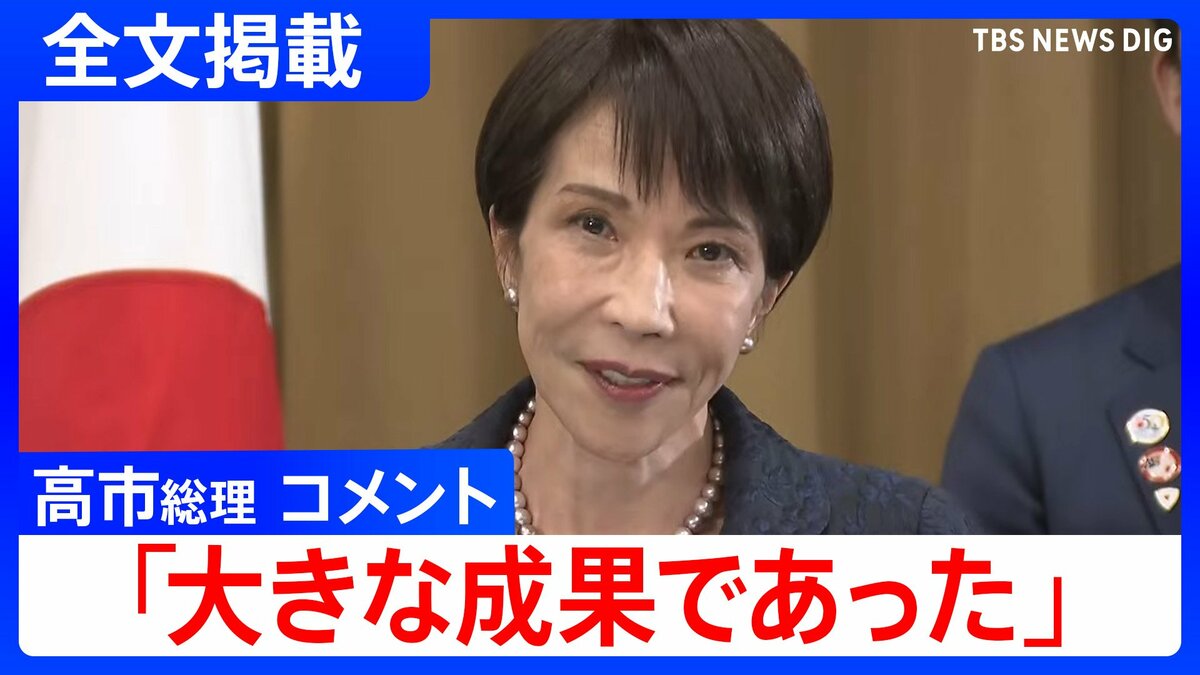
Japan’s Prime Minister Sanae Takaichi on May 4 announced a joint declaration with Australia’s Prime Minister Anthony Albanese to guide cooperation on economic security, calling the outcome “a major achievement” as tensions in the Middle East cast a long shadow over global energy markets. Speaking to reporters after the talks in Australia, Takaichi said the two governments aligned on strengthening resilient supply chains—especially for LNG, rare earths and critical minerals—areas she described as urgent for Japan. She also emphasized that Tokyo and its partners are moving to make the wider Indo-Pacific “stronger and more prosperous together.”
What’s in the declaration—and why it matters now
While full text details were not immediately disclosed, Takaichi highlighted concrete cooperation to stabilize LNG flows and fortify critical mineral supply chains. The stakes are high: Japan, which imports nearly all of its energy, depends heavily on Australia for LNG and looks to Australia as a trusted source of rare earths and other strategic inputs vital to semiconductors, batteries and clean-tech. The joint declaration acts as a playbook for coordinated action when markets tighten—precisely the risk posed by a more volatile Middle East. For global firms operating in Japan and Asia, the message is clear: Tokyo is locking in dependable partners to keep factories running and prices steadier.
FOIP evolves—Vietnam link and the “Power Asia” first case
Takaichi tied the agreement to a broader diplomatic push to evolve the “Free and Open Indo-Pacific” (FOIP) concept first advanced by former Prime Minister Shinzo Abe a decade ago. In a policy address in Vietnam, she argued the region must elevate “self-reliance and resilience” through practical cooperation. As an example, she cited the first project under her newly announced “Power Asia” framework: support for Vietnam’s additional crude procurement to keep its economy—and critical supply hubs for Japan-made and Vietnam-produced medical supplies—stable. By helping partners secure energy, Tokyo is also helping stabilize the daily lives of people in Japan and across Southeast Asia.
Defense cooperation with Australia enters a new phase
On security, Takaichi said both leaders agreed to deepen what she called a near-alliance partnership. A centerpiece is Australia’s planned introduction of a general-purpose frigate based on the enhanced capabilities of Japan’s Mogami-class design—an emblematic step at the 50th anniversary of the two countries’ basic treaty. According to Takaichi, the program would boost interoperability, expand supply-chain collaboration and lift the Indo-Pacific’s shipbuilding and maintenance base. She underscored that Japan remains “exclusively defense-oriented,” noting Tokyo does not possess aircraft carriers or bombers, and framed recent updates to defense equipment transfer rules as tools to prevent conflict by strengthening partners’ deterrence. She also highlighted dual-use innovation benefits, recalling past Japan-U.S. development programs that yielded civilian safety technologies—from advanced materials to automotive collision-avoidance systems.
Fiscal steadiness at home, legislative priorities continue
Addressing domestic policy, Takaichi said an immediate supplementary budget is not necessary, citing the availability of contingency funds in the newly enacted fiscal budget. The government, she added, will monitor Middle East developments closely and act to protect citizens’ livelihoods and economic activity. On criminal retrial law reform, she said the government aims to submit the bill “as swiftly as possible,” reflecting ongoing consultations within the ruling coalition.
What this means for businesses, residents and students
For companies and investors, the Japan–Australia declaration signals more predictable energy and materials sourcing, plus expanded opportunities in critical minerals, maritime industries, advanced manufacturing and R&D. For residents, students and expats, steadier energy supplies and closer regional coordination can translate into greater price stability, job openings in high-tech sectors, and a more secure Indo-Pacific environment. Above all, Tokyo’s message is one of reliable leadership: build resilient ties now to safeguard growth, innovation and peace across the region.