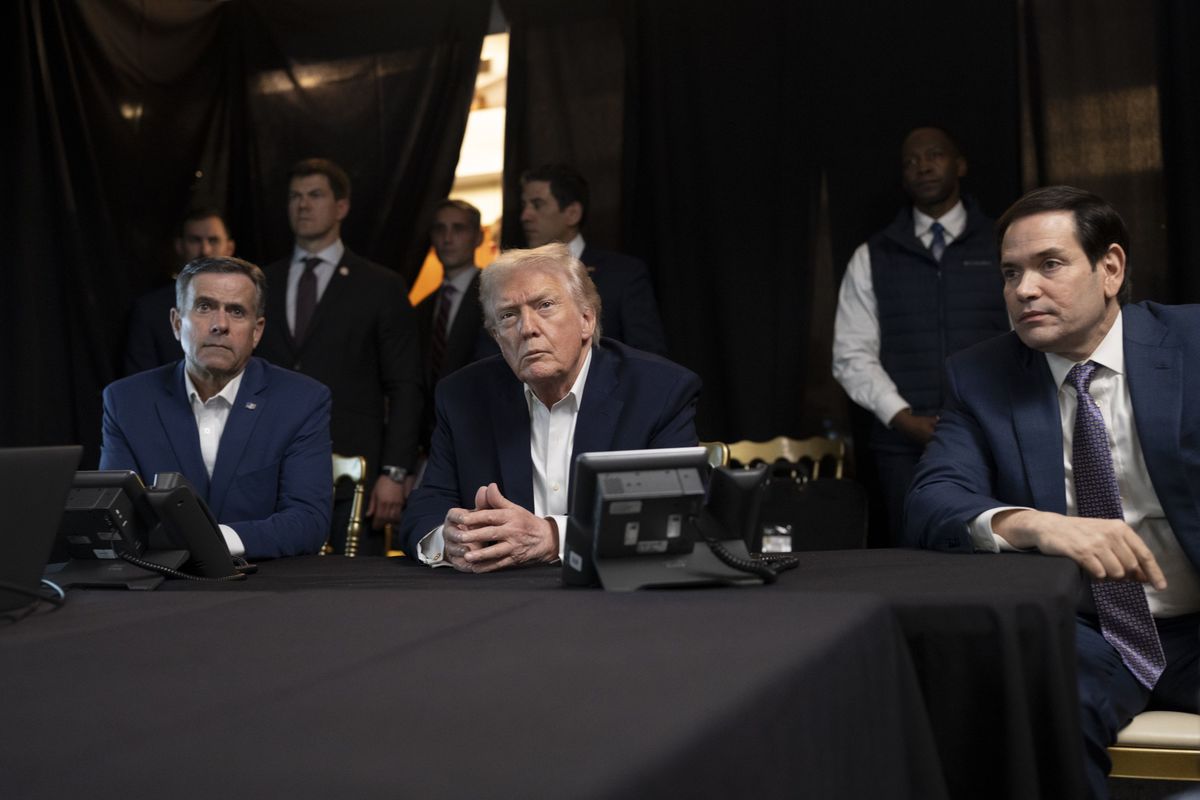
China has moved to suspend talks on new projects in Panama after the Central American nation’s Supreme Court nullified a port operating contract held by a Hong Kong–linked company at both ends of the Panama Canal, according to a Bloomberg report published on the 5th. The shift underscores rising frictions between Beijing and Panama, with investments worth several billion dollars potentially affected and both governments hardening their positions. Panama’s government issued a rebuttal on the 4th to Chinese criticism of its handling of the ruling, and President José Raúl Mulino wrote on X that he “strongly rejects” Beijing’s assertions—language that suggests a widening diplomatic rift over one of the world’s most strategic maritime chokepoints.
A Supreme Court Ruling That Reverberates Beyond Panama
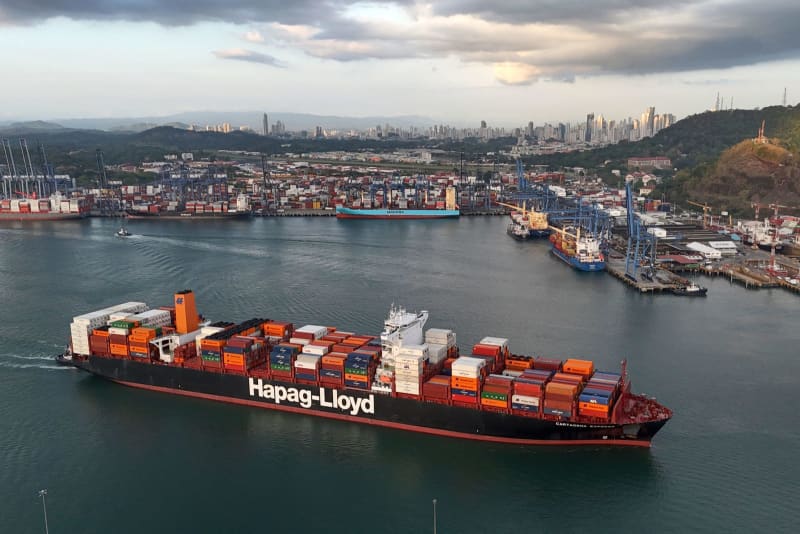
While official details from the court have not been fully elaborated publicly, the ruling targets a long-standing operating deal involving a Hong Kong–affiliated port operator that manages terminals at both the Atlantic and Pacific gateways of the canal. Those facilities are crucial nodes for transshipment and canal-related logistics, touching a vast share of container traffic moving between the Americas and Asia. The decision follows a broader trend in Panama of judicial and public scrutiny of major concession agreements. Notably, Panama’s top court last year invalidated a high-profile mining contract after mass protests, underlining a domestic push for transparency and legal rigor in strategic sectors. In this context, the port ruling is not an isolated event; it reflects a mounting insistence on rule-of-law standards in deals that shape national infrastructure and sovereignty.
Beijing Pushes Pause on New Deals
In response, China has asked its state-owned enterprises to halt talks on new ventures in Panama, Bloomberg reported, a step that could slow or shelve planned projects across transport, energy, and logistics. Although Beijing did not formally confirm a sweeping freeze, any pullback would mark a sharp departure from China’s surge into the isthmus after Panama switched diplomatic recognition from Taipei to Beijing in 2017. That realignment unlocked Chinese-led infrastructure proposals under the Belt and Road Initiative, including rail, port upgrades, and bridges. Some plans, however, encountered changing political winds, commercial hurdles, or heightened geopolitical scrutiny. A fresh freeze would further erode momentum and could prompt Chinese firms to reassess legal and political risk in a jurisdiction where the judiciary has shown increasing willingness to revisit legacy agreements.
Panama’s Firm Response: Sovereignty and Rule of Law
President Mulino’s message was unequivocal. By “strongly rejecting” China’s criticism and defending the country’s institutional processes, the administration signaled that the Supreme Court’s decision is a domestic legal matter, not a political gesture against any single foreign partner. Panama’s stance positions the rule of law above diplomatic pressure—an assertion with clear implications for how future concessions will be structured, monitored, and, if necessary, litigated. For local stakeholders, the court’s move can be framed as a corrective aimed at ensuring compliance and transparency; for international investors, it is a reminder that governance risk cuts both ways, offering a legal backstop against irregularities but also creating uncertainty for long-term concessions that may be revisited.
Strategic Stakes at the Canal
The Panama Canal remains a pivotal artery for global commerce, shaving weeks off voyages between the Atlantic and Pacific and solidifying Panama’s centrality to maritime supply chains. Capacity constraints tied to drought in recent seasons have already forced carriers to reroute or adjust tonnage plans, raising the premium on predictable port operations and investment. Against that backdrop, a legal battle over terminal concessions becomes more than a contract dispute—it touches marine insurance calculations, shipping schedules, and the competitive balance of transshipment hubs in the Americas. Washington and other capitals have watched closely as Chinese companies have pursued port footholds in strategic waterways from the Caribbean to the South Pacific. Panama, because of the canal, sits at the heart of that scrutiny.
Billions at Stake and a Bigger Latin America Picture
Bloomberg’s reporting suggests that projects worth several billion dollars could be affected by China’s instruction to pause new talks. That potential drag comes as several Latin American countries reassess large-scale concessions—whether in mining, energy, or transport—amid public demands for environmental safeguards and fairer revenue-sharing. For Beijing, Latin America remains an important theater for the Belt and Road, offering resources, markets, and geopolitical reach. But the region’s politics are fluid, and legal institutions are increasingly assertive. Chinese investors may seek stronger contractual safeguards and political risk insurance, while host governments will press for transparency and accountability. The outcome in Panama could therefore ripple into negotiations across the region, influencing how future public–private partnerships are structured.
Implications for Shipping and Global Trade
For carriers, forwarders, and insurers, the immediate question is operational stability. Terminal management at both ends of the canal underpins schedules, berthing priorities, and cargo flow efficiency. Any disruption tied to legal transitions—or to investor pullbacks—could introduce friction at a time when supply chains continue to adjust to Red Sea diversions and capacity rotations. That said, Panama has repeatedly emphasized that canal operations and port services will continue without interruption. The government’s challenge will be to balance continuity with legal compliance, ensuring that any changes in concession terms or operators are implemented smoothly and with hands-on coordination across the maritime ecosystem.
A Japan Lens: Rule of Law and Reliable Connectivity
As a major maritime trading nation and a top user of the Panama Canal through its leading shipping lines, Japan has a strong stake in stable, rules-based operations at global chokepoints. Tokyo has consistently championed high-quality, transparent infrastructure standards—principles that align with Panama’s push for clear, legally robust concessions. Japanese shippers and logistics firms rely on predictable transit windows and reliable port services; they also bring decades of operational expertise in terminals and supply chain technology. If Chinese investment slows, Panama may see a more diversified mix of partners step forward, including those that emphasize environmental safeguards, governance, and long-term resilience. Ultimately, clean and transparent frameworks reduce uncertainty for all parties, helping safeguard the canal’s role in facilitating open trade.
Diplomacy Under Pressure
Panama’s diplomatic balancing act has become more delicate. Since 2017, it has pursued commercial ties with China while maintaining close security and economic links with the United States. The latest clash will test whether both Beijing and Panama can compartmentalize legal disputes from broader economic engagement. China has often signaled that it expects partner countries to provide a predictable environment for its SOEs; Panama will counter that predictable means lawful and transparent. Finding common ground may require a carefully managed dialogue that respects judicial independence while preserving avenues for investment structured to the highest compliance standards.
What Comes Next
Key questions remain. Will China formalize a wider suspension of project talks or calibrate its response to preserve specific strategic ventures? How will Panama implement the court ruling in a way that avoids disruptions at the terminals? Could a renegotiated or re-tendered concession meet both legal requirements and investor expectations? Markets will watch for official statements from Beijing and Panama City, any signals from affected port operators, and early indications of tender processes or interim management arrangements. For the shipping industry, the calculus is practical: keep cargo moving with minimal delay. For governments—from Panama to Japan and beyond—the priority is maintaining confidence in a trading system anchored in the rule of law, transparent infrastructure, and open lanes at the world’s most critical canals.