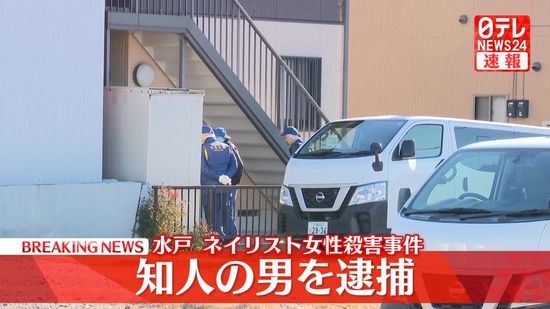
Ibaraki Prefectural Police have arrested a 28-year-old man, described as an acquaintance of the victim, on suspicion of murder in the New Year’s Eve killing of a nail technician in Mito, according to interviews with investigative sources. The swift development comes days after the woman, identified by local media as Haruka Komatsumoto, was found collapsed at the entrance of her apartment on December 31 and later pronounced dead.
What Happened on New Year’s Eve
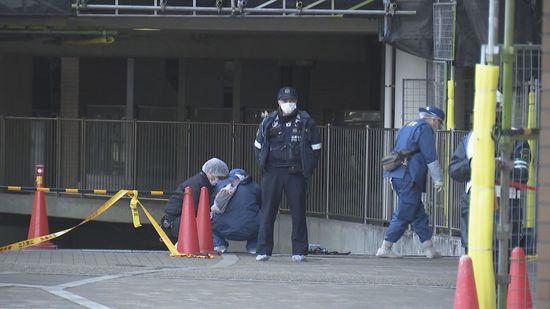
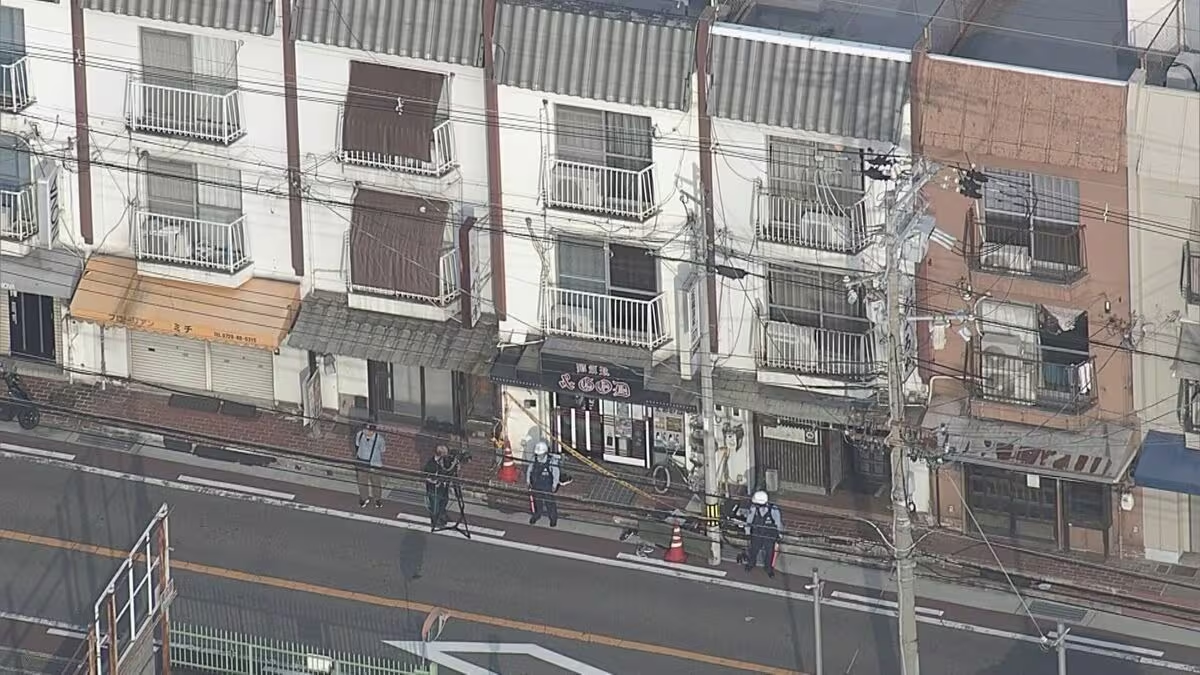
Shortly after 7 p.m. on December 31 in Mito City, Ibaraki Prefecture, Komatsumoto—a professional nail artist—was discovered by her husband lying near the doorway of their apartment, bleeding from the neck. Emergency responders rushed to the scene, but she was subsequently confirmed deceased. The incident stunned neighbors on a holiday evening when many families were preparing to ring in the new year. Police immediately sealed off the area and began canvassing nearby buildings for surveillance footage while forensic teams examined the apartment’s entrance, a small but culturally significant space in Japanese homes known as the genkan.
An Arrest and a Developing Case
Investigative sources say detectives have taken into custody a 28-year-old man who knew the victim, arresting him on suspicion of murder. Authorities have not disclosed the suspect’s name, which is common in Japan at the early stages of an investigation, particularly prior to formal indictment. The exact relationship between the suspect and the victim remains undisclosed, and police have not yet announced a potential motive.
While Komatsumoto’s cause of death has not been publicly detailed beyond the presence of neck wounds, investigators are expected to rely on autopsy results, trace evidence, and digital forensics to reconstruct the timeline and circumstances of the attack. Detectives are believed to be reviewing neighborhood security cameras, phone records, and possible movements of both the victim and the suspect earlier that day. The husband, who discovered the victim, is understood to be cooperating with authorities; there is no public indication from police that he is suspected of involvement.
Low Crime, High Diligence
Japan’s homicide rate is among the lowest in the world, and violent crimes involving acquaintances or interpersonal disputes often receive intense attention and detailed scrutiny. Ibaraki Prefectural Police have a reputation for methodical casework, and major incidents like this typically prompt a multi-pronged response: door-to-door interviews, systematic reviews of CCTV, and comprehensive forensic analysis. The New Year period is one of the busiest times for police nationwide, with heightened patrols focused on traffic safety, public gatherings at shrines, and tourist sites. Against that backdrop, a suspected homicide inside a residence stands out all the more, intensifying the drive for swift answers and reassurance for the community.
What Comes Next in the Legal Process
Under Japan’s criminal procedure, police can hold a suspect for up to 48 hours before transferring the case to prosecutors, who then have 24 hours to seek a court-approved detention order. That initial detention can last up to 10 days and may be extended for another 10, making a possible total of up to 23 days before indictment decisions. Throughout this period, investigators will be looking to corroborate evidence, clarify intent, and determine whether any additional charges apply. Should prosecutors proceed, the suspect’s identity may be made public depending on standard practice and the nature of the evidence. For now, authorities are stressing the preliminary nature of the arrest and asking the public to allow the investigative process to run its course.
Community Impact and Public Safety
Mito, Ibaraki’s prefectural capital, is known for its tranquil neighborhoods and historic sites such as Kairakuen Garden. Violent crimes in residential settings are rare, and cases like this often leave a deep emotional mark on local communities. While the details of this case remain tightly controlled by investigators, police commonly advise residents to report unusual activity, check building intercoms and entry systems, and be mindful of visitor verification procedures—basic measures that align with Japan’s broader culture of mutual vigilance and respect for privacy. Public officials and community leaders typically urge calm and patience, emphasizing the professionalism of local law enforcement and the importance of factual updates over speculation.
Victim and Profession
Komatsumoto worked as a nail technician, a profession within Japan’s vibrant beauty industry that blends meticulous craftsmanship with close client relationships. Many nail artists operate irregular hours to accommodate client schedules, especially during holiday periods when demand spikes for year-end gatherings and New Year visits. While police have not commented on whether her work schedule or clientele are relevant to the case, investigators often examine social and professional networks when the suspect is someone known to the victim. Authorities have not indicated the recovery of any weapon, and they have refrained from commenting on the precise nature of the injury that led to her death.
A Call for Information
As is customary in serious investigations, police are expected to encourage anyone with relevant information—whether a fleeting sighting near the apartment building around the time of the incident, or dashcam footage from adjacent streets—to come forward. Such tips can be critical in corroborating timelines and confirming whether the suspect and victim crossed paths shortly before the crime. Local broadcasters have aired updates, showing patrol cars and investigators at the scene; viewers can refer to their preferred local news outlets for video reports related to this case.
Why This Case Resonates
Beyond its tragic circumstances, the killing touches on broader issues that Japan confronts even as it remains one of the world’s safest countries: the vulnerability of individuals within familiar circles, the pressures of year-end routines, and the centrality of trust in daily life. Japan’s justice system, though rigorous and sometimes misunderstood abroad, emphasizes careful evidence-building and step-wise legal safeguards. That approach, often characterized by patience and thoroughness, reflects a societal preference for clarity and order—values that come to the fore when communities are shaken by rare acts of violence.
What to Watch
In the coming days, expect police to clarify the suspect’s movements, the basis for the murder suspicion, and the results of key forensic tests. If prosecutors seek extended detention, it will signal that investigators believe they are close to firm conclusions about motive and method. Until then, the focus remains on the facts: a young professional’s life lost on New Year’s Eve, a swift arrest of an acquaintance, and a methodical inquiry intended to bring clarity and accountability. As new details emerge, local authorities will likely provide measured updates consistent with Japan’s commitment to public safety and due process.