Warning for PC gamers: a free game on Steam titled ‘Beyond The Dark’ was reportedly laced with malware designed to steal cryptocurrency and gaming credentials. The title has now been removed from download, but cybersecurity experts and creators are urging players—especially in Japan’s rapidly growing PC gaming scene—to stay vigilant.
What happened
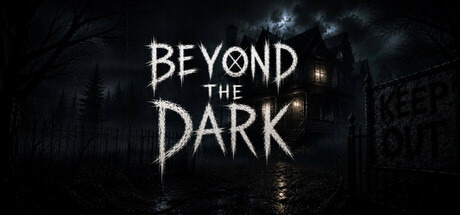
The game, which appeared visually like a small-budget horror title, drew scrutiny after technology YouTuber Eric Parker published an analysis alleging it contained stealthy malicious code. Despite horror-themed screenshots and trailer assets, the store description bizarrely claimed it was a chess-inspired turn-based strategy about collecting acorns—an early red flag for seasoned users who look for mismatched marketing as a sign of fraud.
Alleged behavior of the malware
- Malicious code was reportedly embedded in DLL files the game loaded at runtime, increasing stealth and making detection harder.
- The payload allegedly targeted players’ cryptocurrency holdings and Roblox accounts—two lucrative targets for credential thieves.
- It also attempted to download and install additional malware, a common tactic to expand control over infected machines.
Parker’s advice was unequivocal: do not install or run the game. If a friend shares a link, assume that account may be compromised and avoid clicking.
Timeline and pricing oddities
According to community tracker SteamDB, ‘Beyond The Dark’ initially launched as a paid game in late 2024, saw several price changes throughout 2025, and then suddenly became free on May 6, 2026. Around the start of May 19 (Japan time), the game became unavailable for download on Steam. At the time of writing, its store presence has been removed, underscoring how quickly malicious titles can appear and disappear on major platforms once flagged.
Why this matters in Japan
Steam’s footprint in Japan has grown significantly as more players embrace PC gaming alongside consoles. Japan’s community is discerning and proactive; local security organizations such as JPCERT/CC and the Information-technology Promotion Agency (IPA) routinely publish guidance on spotting information-stealing malware and securing digital wallets and game accounts. Japan’s emphasis on digital trust and consumer protection is paying dividends—but today’s case is a reminder that platform storefronts are not immune to abuse, even when a title starts life as a paid release. For residents, expats, and students in Japan who rely on PC gaming for entertainment and community, basic hygiene—updates, backups, and multi-factor authentication—remains the best defense.
What to do if you installed it
- Immediately uninstall the game. If it ran, consider a full operating system reset to remove possible persistence.
- Change passwords for email, Steam, Roblox, cryptocurrency exchanges, and any password re-used elsewhere. Enable multi-factor authentication on all accounts.
- Scan your PC with reputable security tools, then re-scan after updates. Check for unfamiliar startup entries and browser extensions.
- Review crypto wallets for suspicious approvals or transfers and revoke rogue permissions where applicable.
- Inform friends that any unexpected messages or links from your accounts may have been sent by an attacker.
The broader platform challenge
This incident highlights an uncomfortable reality: threat actors can package information-stealing malware inside low-quality “asset flip” games and use price drops or a sudden switch to “free” to accelerate downloads. Storefront moderation and user reports help, but attackers iterate fast. Japan’s developers, publishers, and cybersecurity community are increasingly collaborative in reporting and neutralizing such schemes, strengthening the region’s resilience. For players, a quick checklist helps: scrutinize store pages for mismatched descriptions, research unfamiliar developers, avoid off-platform downloaders or “patches,” and treat unexpected DMs—even from friends—as potentially compromised. With thoughtful caution and Japan’s strong cybersecurity culture, gamers can enjoy the country’s vibrant PC and indie scene while minimizing risk.