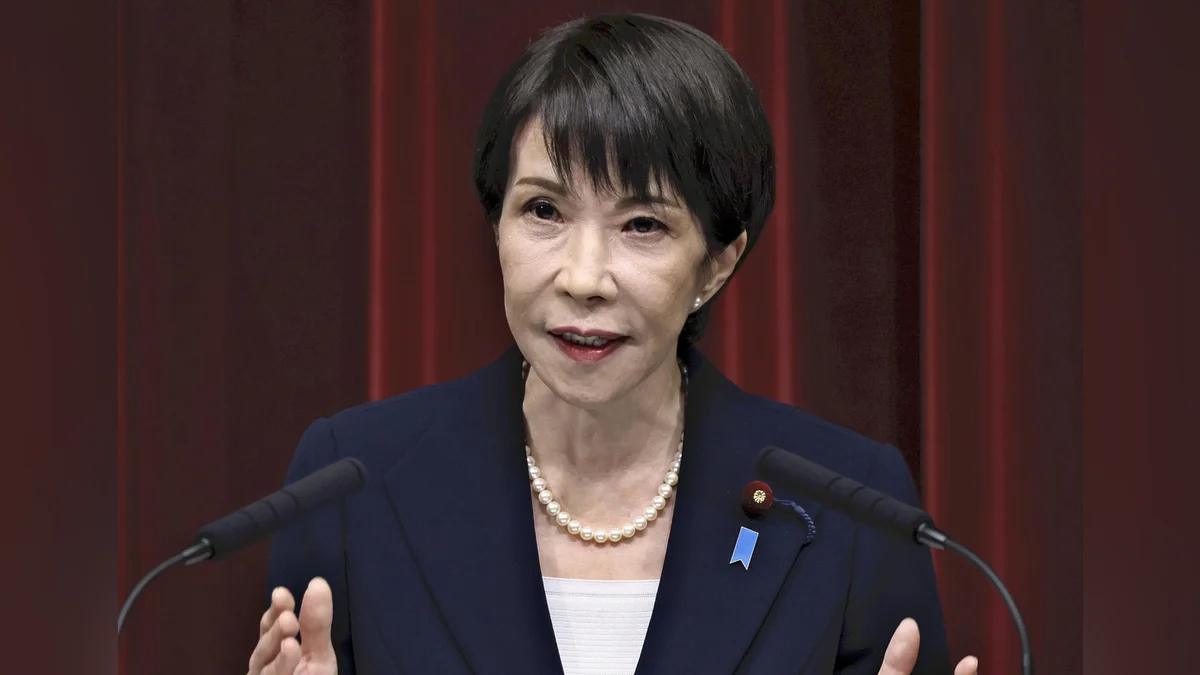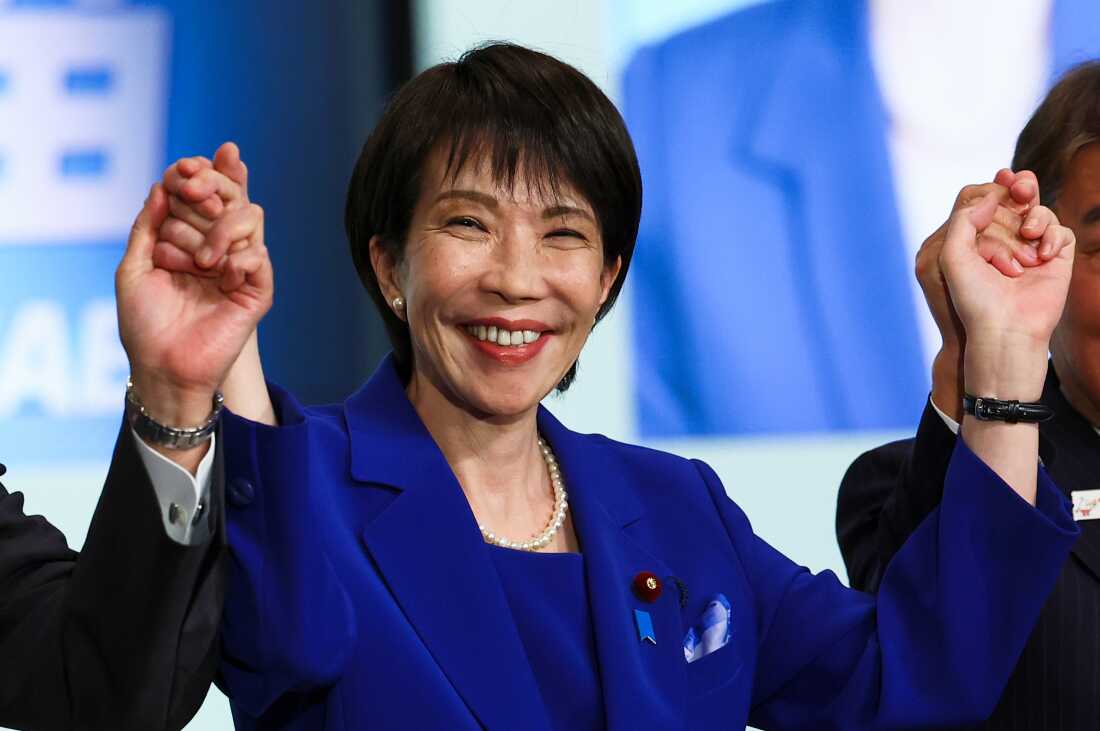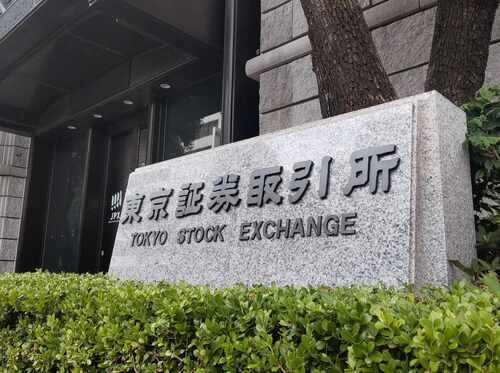
The Japanese stock market has surged to unprecedented heights, with the Nikkei 225 Index decisively breaking through the 48,000 yen barrier. This remarkable rally, coinciding with a new political chapter under Prime Minister Takaichi Sanae, has investors wondering if this is the dawn of a sustained boom or a temporary sugar rush.
A Market Defying Gravity
In a rare turn of events, the Nikkei has even surpassed the Dow Jones Industrial Average in numerical terms, a situation not seen in years. While the currency difference between yen and dollar plays a role, the symbolic shift is powerful. This surge has been largely attributed to the outcome of the Liberal Democratic Party (LDP) leadership election, which saw Takaichi Sanae emerge victorious. Her campaign platform of responsible yet proactive fiscal spending has ignited market optimism, leading to what some analysts are dubbing the Takaichi Trade.
The market's reaction was swift and decisive. Sectors perceived to benefit from Takaichi's policies defense, semiconductors, real estate, and nuclear power experienced significant buying pressure. The yen also weakened against major currencies, a move interpreted as the market anticipating a delay in interest rate hikes from the Bank of Japan under the new administration.
The Mechanics of a Political Rally
The Takaichi victory was a genuine surprise to many market participants who had priced in a win for her rival, Koizumi Shinjiro. Her overwhelming support in the party member vote, where she secured nearly 40% of the ballots, demonstrated a strong and passionate base. This grassroots momentum then carried into the runoff vote among Diet members, securing her the presidency.
Political commentators point to the LDP's historic balancing act, often called the ellipse theory, where power oscillates between doves and hawks. After two successive administrations from the party's more moderate wing, the shift towards Takaichi's conservative stance is seen as a classic correction within the LDP's internal ecosystem.
Clouds on the Horizon: The Challenges Ahead
Despite the initial euphoria, several factors suggest caution. Firstly, the Nikkei had already climbed approximately 5% in September alone, driven by corporate earnings and governance reforms, before the political catalyst. The Takaichi premium is an add-on to an already elevated market, raising questions about its sustainability without immediate tangible economic improvements.
Secondly, the macroeconomic backdrop is vastly different from a year ago. Long-term interest rates have climbed to around 1.6%, and the yen is significantly weaker. Any aggressive fiscal stimulus now carries higher risks, including potential bond market volatility. Some skeptics even whisper about a Japan version of the Truss Moment, referencing the short-lived tenure of UK Prime Minister Liz Truss, whose unfunded tax cuts triggered a market crisis.
Perhaps the most immediate threat is political. The LDP is a minority government, and Takaichi's ascension to party president does not automatically guarantee her the prime minister's office. Negotiations to form a coalition government have already hit snags, delaying the convening of an extraordinary Diet session. The prolonged separation between the party leader and the national leader creates uncertainty, and the recent announcement of coalition partner Komeito's potential withdrawal threatens to collapse the Takaichi Trade before it even begins.
The Global Context and Future Prospects
The situation in Japan mirrors a similar phenomenon in the United States, where a Trump-related market rally is also underway. The interplay between these two political-fueled markets will be critical to watch. For Japan, the coming weeks will be decisive. Can Takaichi navigate the treacherous waters of coalition politics and secure the prime ministership? Will her policies deliver the growth the market is anticipating, or will concerns over fiscal discipline trigger a reversal?
Investors are advised to watch the political developments closely. The initial market surge reflects hope and expectation. The true test will be whether the new administration can translate that hope into credible policy and stable governance, ensuring that the current market boom is built on a solid foundation rather than speculative fervor.