A recent nationwide survey conducted by the non-profit Foundation for Press and Broadcasting Research reveals significant shifts in Japanese public opinion regarding defense policy and international leadership. The poll, which surveyed thousands of Japanese adults, shows majority support for increased military spending alongside growing skepticism about American global influence under President Donald Trump.
According to the survey results released on Saturday, 54.5% of respondents expressed support for increasing Japan's defense budget, while 42.8% opposed such measures. This represents a notable shift in a country that has historically maintained pacifist policies and limited military spending since World War II.
Changing Security Perceptions
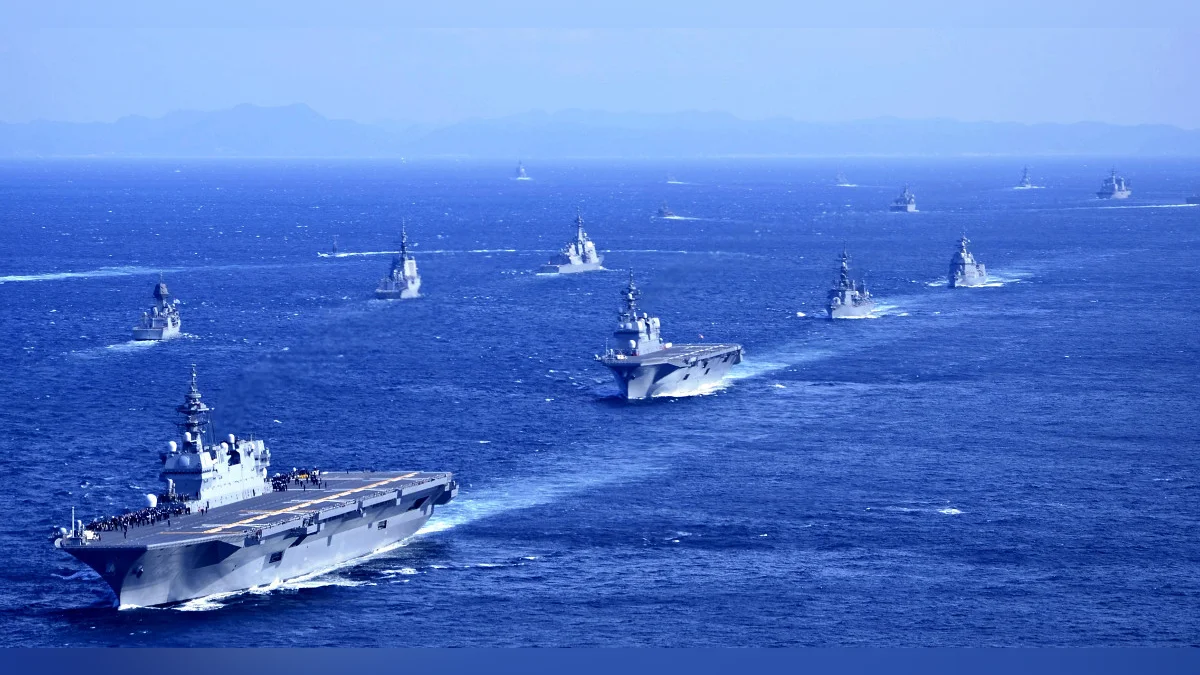
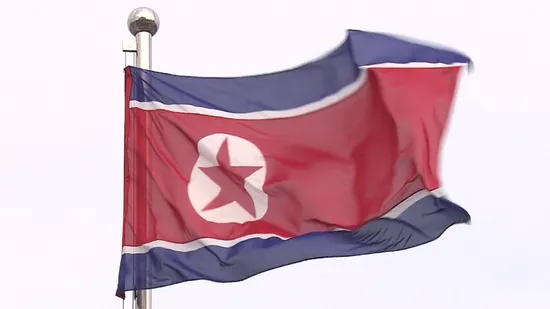
The growing support for defense expansion reflects evolving public awareness of regional security challenges. With increasing tensions in the East China Sea, repeated North Korean missile tests, and Russia's ongoing war in Ukraine, Japanese citizens appear increasingly concerned about national security. This marks a significant departure from traditional post-war pacifism that has characterized Japanese defense policy for decades.
Defense analysts note that Japan's military spending has been gradually increasing in recent years, but public opinion has often lagged behind government policy. This survey suggests the public may be catching up with official security assessments that emphasize the need for enhanced capabilities.
American Leadership in Question
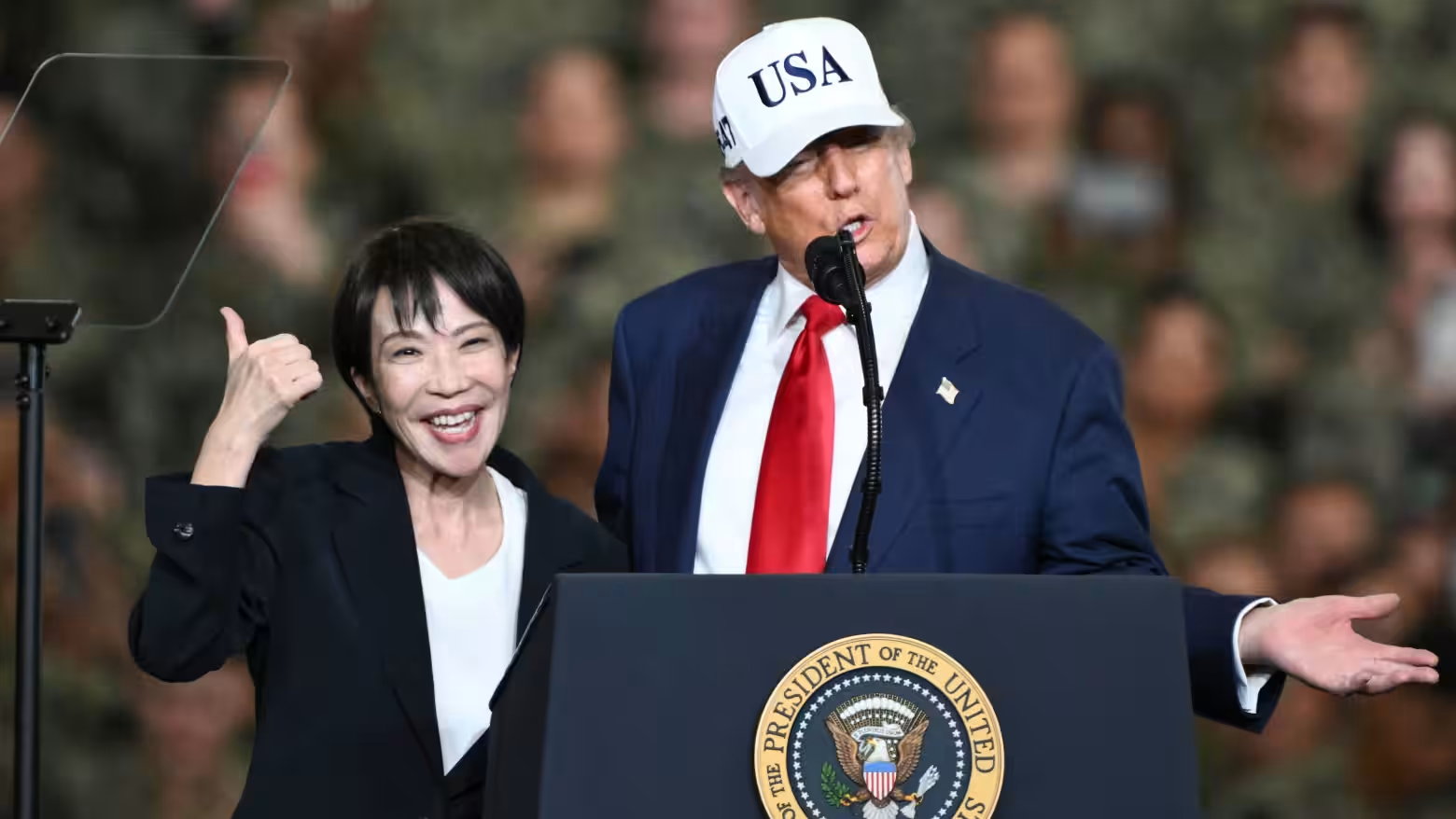
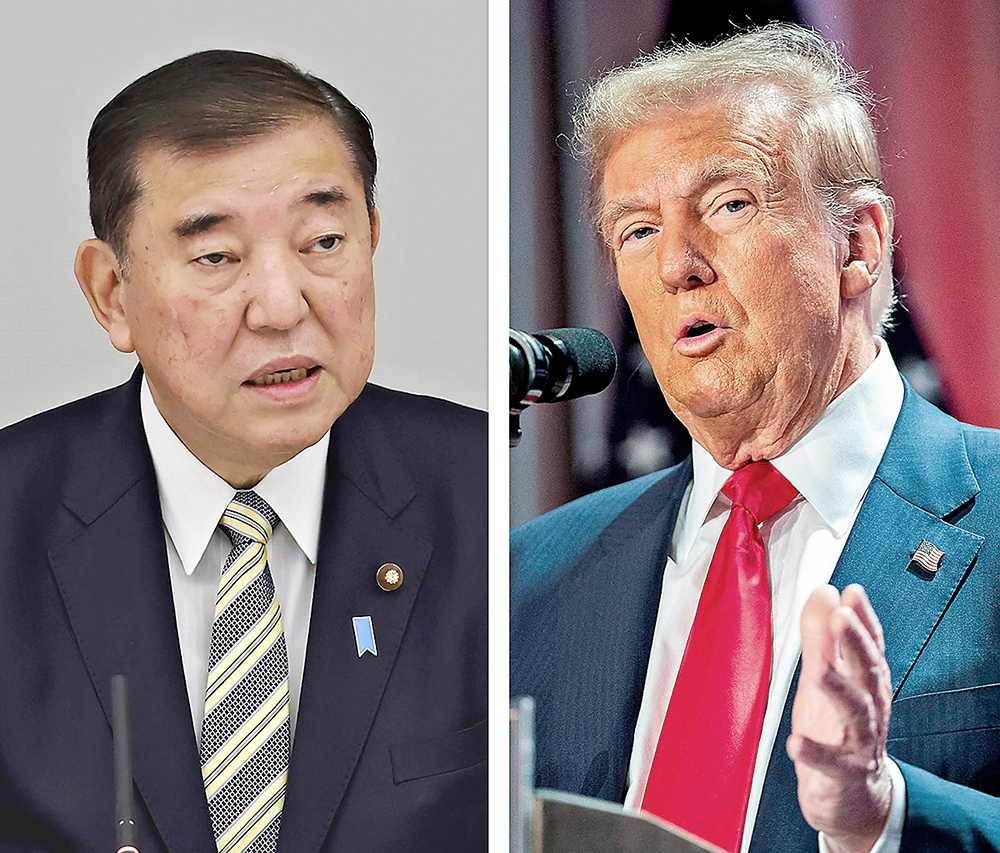
Perhaps more striking than the defense spending numbers is the overwhelming negative perception of American global leadership. Nearly 80% of respondents (79.4%) stated they believe President Trump has a negative impact on world affairs. This represents a dramatic decline in confidence compared to previous administrations and reflects global concerns about America's changing role in international relations.
The survey results come amid ongoing discussions about the future of the U.S.-Japan security alliance. While the partnership remains a cornerstone of Japanese defense policy, these numbers suggest growing anxiety about the reliability of American leadership and the potential need for greater Japanese self-reliance.
Media Trust Rankings
The comprehensive survey also examined public trust in various media sources, with traditional outlets maintaining significant advantages over digital platforms. NHK television ranked highest with 66.8 points out of 100, followed closely by newspapers at 66.2 points. Internet-based news sources scored substantially lower at 47.4 points, reflecting ongoing public skepticism about digital media reliability.
These trust rankings have important implications for how Japanese citizens receive information about national security and international affairs. The continued dominance of established media suggests that public opinion is still primarily shaped by traditional journalistic institutions rather than social media or online platforms.
The survey was conducted between July 18 and August 17, targeting 5,000 adults across Japan. Using a method where questionnaires were hand-delivered to respondents, the foundation received responses from 2,665 people, achieving a response rate of 53.3%. The robust methodology and substantial sample size lend credibility to these findings, which will likely influence both domestic policy discussions and international relations assessments.
As Japan navigates an increasingly complex security environment, these public opinion trends will play a crucial role in shaping the country's strategic direction. The apparent gap between support for enhanced defense capabilities and skepticism about American leadership suggests Japan may be entering a new era of security policy independence.