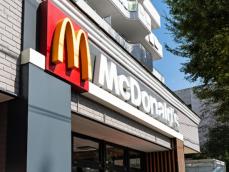
McDonald’s Japan puts value and flavor in the spotlight
McDonald’s Japan has ignited fresh coffee buzz after highlighting its low-priced “serious drip” coffee on X (formerly Twitter) on March 3, noting that a Small (S) size starts from ¥140. The post, paired with a steaming cup photo and the phrase “Sサイズ140円~飲めます,” quickly drew approving replies from users grateful for an affordable pick‑me‑up at a time of rising prices. Comments ranged from “This is a lifesaver with inflation” and “McDonald’s coffee has really improved” to playful reactions like “Too luxurious—I’m literally shaking.” Some even speculated, “Are these frequent price drops a strategy?” underscoring how a simple cup can stir debate in Japan’s highly competitive coffee scene.
What’s new in the cup?
A day earlier, on March 2, the official account teased the upgrade with the headline “The reborn coffee is different here!” and explained that the new brew is formulated to keep acidity in check as time passes. In practical terms, that means a more stable, rounded flavor profile—especially welcome for customers who sip slowly or grab a cup to enjoy later. McDonald’s Japan stopped short of publishing the full recipe, but the messaging points to careful roast selection and brew control, signaling a quality push without sacrificing accessibility. It’s an approach in tune with Japan’s coffee culture, where attention to balance and mouthfeel is prized across everything from artisanal kissaten to convenience-store counters.
Why it matters in Japan’s coffee culture
Japan is a coffee-loving nation shaped by decades of kissaten heritage and a modern wave of convenience and specialty shops. Value coffee is a daily ritual for millions, with convenience chains typically offering hot cups in the ¥100–¥150 range. By spotlighting a “serious” drip at ¥140, McDonald’s positions itself squarely in the sweet spot: everyday affordability backed by improved taste. For international visitors, students, and expats, that means another reliable option—across thousands of locations—when you need a warm break, breakfast add‑on, or a quick caffeine stop between trains.
Affordability in an inflationary moment
Japan’s recent cost-of-living pressures have sensitized consumers to price and quality. A cup starting from ¥140 (roughly under US$1, depending on exchange rates) stands out as a small luxury that doesn’t strain the wallet. The reaction on X suggests the move resonates not merely as a deal, but as a promise of consistency: a brew that tastes good at first sip and stays balanced over time. While McDonald’s Japan did not announce a time limit, prices and availability can vary by store or region, so check in-restaurant menus locally.
Practical tips for newcomers and travelers
Ordering is straightforward: ask for a “small hot coffee,” and staff will typically confirm size. Milk and sugar are commonly available at the counter, and many branches offer free Wi‑Fi and outlets, making McDonald’s a convenient work or study stop. Mobile payments and IC cards are widely accepted, and breakfast combos often bundle coffee at additional savings. If you’re navigating early trains, late study sessions, or tight sightseeing schedules, a ¥140 cup can be the dependable anchor in your day.
Industry implications: the quiet coffee wars continue
McDonald’s renewed push may intensify competition with convenience stores and fast-casual rivals that already trade on low-cost, good-quality brews. Expect others to emphasize bean sourcing, roast profiles, and equipment upgrades, as Japan’s consumers are discerning and vocal about coffee quality. The social buzz—ranging from praise to playful skepticism—proves that even minor menu updates can move the needle when they deliver visible value.
The bigger picture: Japan’s balance of quality and value
From affordable lunches to meticulous service, Japan’s food landscape often blends craftsmanship with restraint on price. McDonald’s “serious drip” coffee taps into that national preference: a carefully tuned product that respects the customer’s budget and time. Whether you’re a Tokyo commuter, a student on a tight budget, or a first-time visitor chasing your next cup, the message is clear—good coffee doesn’t have to be complicated or costly. And when a global brand meets Japan’s expectations, the result can feel, as one commenter put it, “almost too luxurious for the price.”