A typical Saturday morning at Rikugo High School in Misato Town, Akita Prefecture, turned into an unexpected wildlife encounter when two bears decided to visit the school grounds. The incident began around 7:00 AM when nearby residents spotted the unusual visitors and alerted police, beginning a 12-hour standoff that captivated the local community.
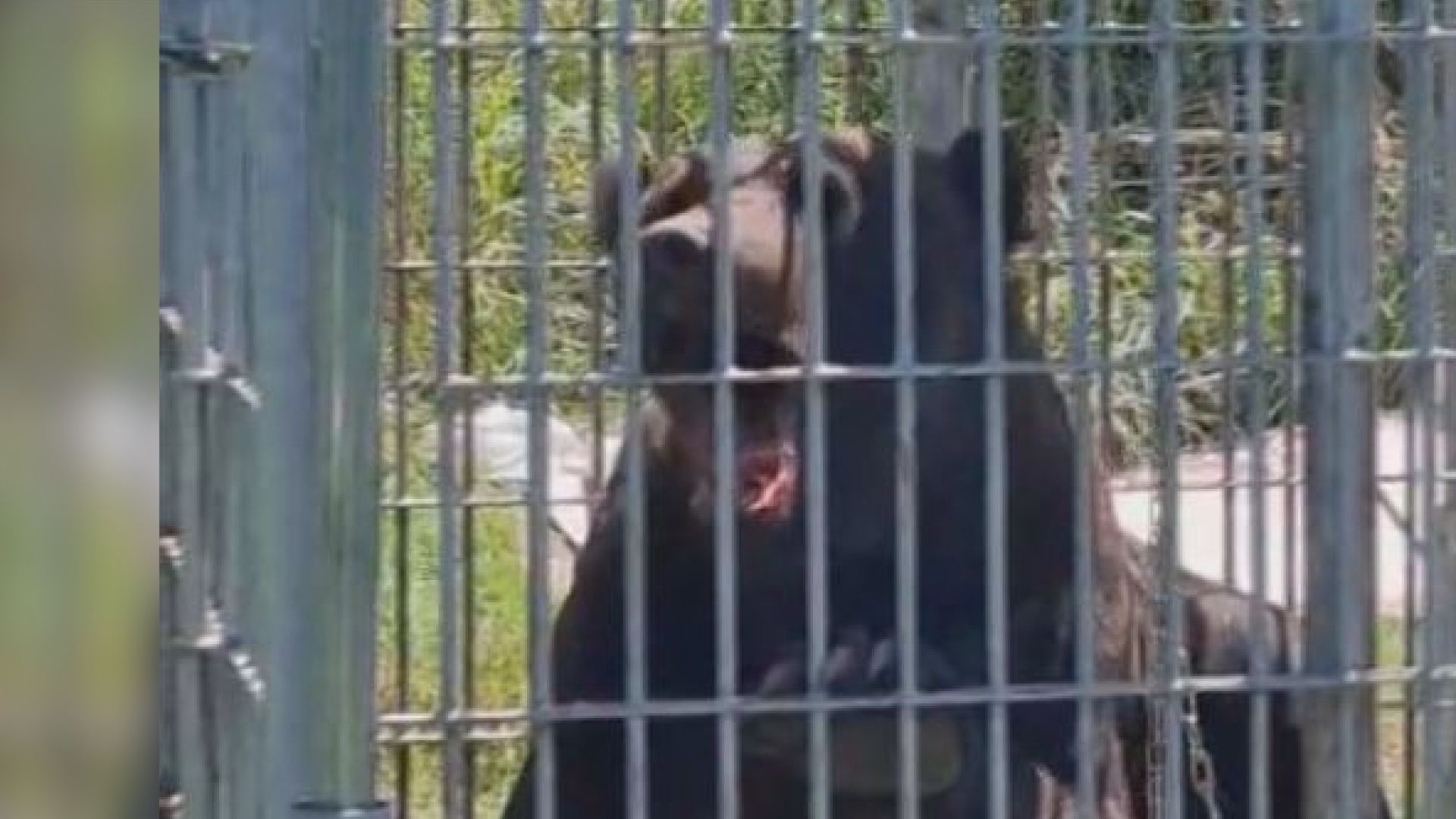
Police officers responding to the emergency call discovered not one but two bears perched in a tree on the school property. The animals, measuring approximately 1.2 meters and 50 centimeters in length respectively, remained in their arboreal refuge throughout the day before finally descending around 7:20 PM and heading north, away from the school.
School Response and Student Safety
School officials acted swiftly to ensure student safety upon learning of the unexpected visitors. Though three students were on campus for club activities at the time, they were quickly escorted home by parents. The school implemented a campus-wide access prohibition and notified students and parents about the situation via email.
The incident highlights growing concerns about human-wildlife interactions in rural Japan, particularly in regions like Akita where bear sightings have increased in recent years. Experts attribute this trend to various factors, including habitat encroachment, climate change affecting food sources, and changing migration patterns.
Extended Police Vigil
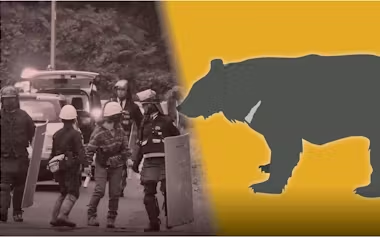
Local authorities maintained vigilance throughout the day and into the evening, with the Daisen Police Station announcing they would continue patrols in the area until Sunday morning. The extended police presence reflects both concern for public safety and standard protocol for bear encounters in residential areas.
Wildlife specialists were consulted during the standoff, advising police on how to encourage the bears to leave without confrontation. The strategy of maintaining distance and allowing the animals to depart voluntarily proved successful, avoiding the need for more aggressive measures that could have endangered both humans and bears.
Broader Ecological Context
This incident is part of a larger pattern of increasing bear encounters throughout Japan. Data from the Environment Ministry shows a significant rise in bear sightings in urban and suburban areas over the past decade. Just last year, the country recorded over 13,000 bear sightings, with many occurring in locations where humans live and work.
Ecologists point to several contributing factors, including declining rural populations that allow wildlife to expand their territories, mast years when certain tree species produce abundant nuts that draw bears closer to human settlements, and climate changes that alter traditional food availability in mountain forests.
Community Preparedness
The peaceful resolution of this bear encounter demonstrates improved community preparedness for wildlife incidents. Local governments throughout Japan have been developing response protocols, public education campaigns, and early warning systems to manage increasing human-bear interactions.
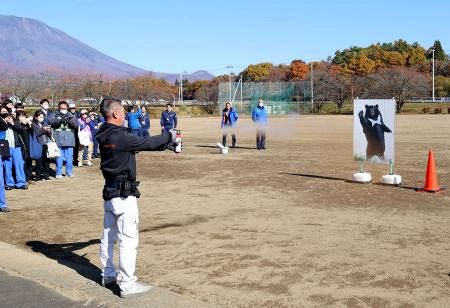
Schools in particular have implemented safety measures, with many conducting drills for various emergency scenarios including unexpected wildlife visits. The efficient response at Rikugo High School suggests these preparations are proving effective, though the extended duration of this incident also highlights the challenges of managing such situations.
As Japan continues to navigate the complex relationship between human communities and wildlife, incidents like the Akita school visit serve as both cautionary tales and learning opportunities. The successful resolution without injury to humans or bears represents the ideal outcome, though authorities acknowledge that not all encounters end so peacefully. Continued education, preparedness, and respect for wildlife will be essential as these interactions become increasingly common.