A historic mandate—and a bold economic bet
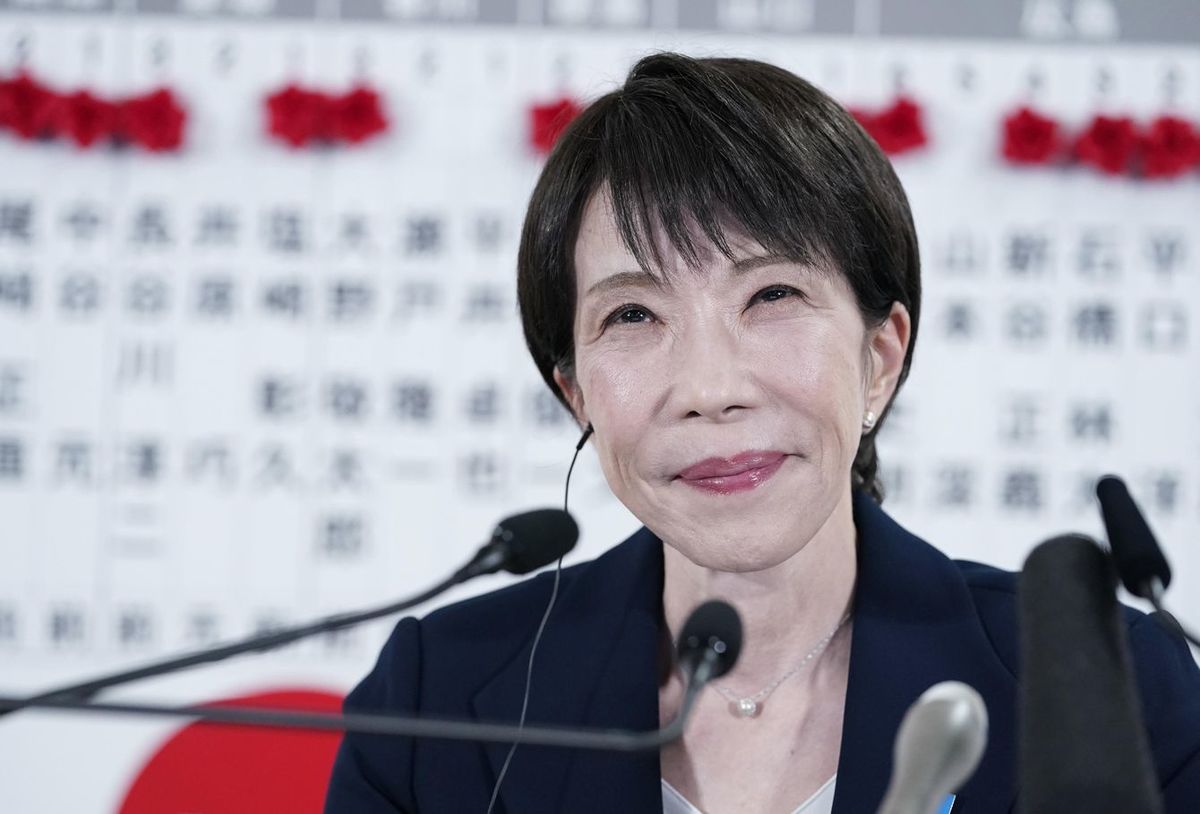
Japan has entered a new political and economic chapter. Prime Minister Sanae Takaichi’s snap general election gamble ended with a historic landslide, propelling the ruling Liberal Democratic Party (LDP) to more than two-thirds of the seats in the Lower House. That supermajority—ample even after assigning committee chairs—gives the government expansive room to legislate, including the ability to override Upper House rejections. With coalition ties to the Japan Innovation Party (Nippon Ishin) intact, even constitutional amendment procedures are on the table. For many voters, the result signals a decisive mandate for change.
Supporters say momentum built around Takaichi’s promise to break Japan’s sense of stagnation. Her firm response to Beijing’s strong reactions over comments related to Taiwan was read domestically as a turn from “weak-kneed diplomacy,” while clear, punchy messaging resonated with younger voters. The LDP campaign slogan—“Make the Japanese archipelago strong and prosperous”—struck a chord with a public worried about living costs and flatlining real wages.
What is Sanaenomics?
Takaichi’s program centers on what she calls “responsible, active fiscal policy”—a reflationist approach reminiscent of Abenomics’ second arrow. The plan envisions substantial, government-led investment in 17 priority fields to spark growth, lift corporate earnings, and translate profits into wage gains that fuel consumption—a virtuous cycle Japan has long sought. The difference now, backers argue, is political firepower: a clear mandate and consolidated authority to move quickly on budgets, industrial policy, and reform.
For global readers, a brief look back helps. Abenomics combined ultra-easy monetary policy, flexible fiscal stimulus, and structural reform. The first two jolted markets and corrected a strong yen, but the third arrow—deep regulatory and productivity-enhancing changes—lagged, limiting the growth payoff. Sanaenomics attempts to relight the engine primarily through targeted fiscal investment, with the expectation that private capital will follow.
Markets cheer—while currency metrics flash amber
Since Takaichi’s LDP leadership win on October 4, 2025, equities have soared. The Nikkei 225, which closed at 45,769 the day before her leadership election, climbed to 50,512 by October 27, breached successive records into early 2026, and hit 54,720 on February 3. After the general election victory, the rally accelerated, with intraday gains of roughly 3,000 points on February 9 and another 1,286 points on February 10 to 57,650—an explosive rise of about 20% in four months measured in yen terms.
But not all signals are unambiguously bullish. Analysts note that heavy fiscal outlays can pressure the currency, inflating yen-denominated asset prices. One “gold-denominated” view—dividing the Nikkei by domestic retail gold prices—shows the index at 87.7 on February 6 (with Takaichi’s leadership start marked as 100), and still only 91.8 by February 10. In other words, in hard-asset terms, Japan’s equity rally looks less dramatic. The Bank of Japan’s real effective exchange rate index, a trade-weighted gauge adjusted for inflation, also hovers near multi-decade lows (with July 2024 marking a historical trough since the series began and December 2025 still in that vicinity). Meanwhile, the 10-year Japanese government bond yield has risen to around 2.270%, a reminder that markets will test fiscal credibility if spending runs ahead of growth.
Who gains—and who feels the squeeze?
Rising markets benefit households and institutions holding equities and property. Yet those without assets face higher living costs if the yen remains weak and import prices climb, while rent and other asset-linked costs can outpace pay. Japan’s headline wages have risen, but negative real wage prints have fed anxiety among younger voters about future prosperity. Debate has emerged around a possible consumption tax cut to ease pressure on households. However, such a move could worsen deficits and weigh on the currency, risking a feedback loop of higher prices.
For overseas readers and investors
Japan still offers enviable fundamentals: political stability, rule of law, deep capital markets, world-class manufacturing, and an increasingly vibrant startup and tech ecosystem. If Sanaenomics delivers faster productivity growth—especially via targeted investment and regulatory improvements—the payoff could be substantial. The watch list now includes real wage growth, core inflation, the yen’s trajectory, JGB yields, and the pace of structural reform that unlocks private-sector dynamism.
Outlook: a high-stakes, high-capacity experiment
Takaichi’s sweeping mandate provides rare policy capacity in a mature democracy. The central question is timing: will growth ignite before currency weakness and higher rates sap momentum? If the government catalyzes investment, lifts productivity, and translates profit gains into sustained, broad-based wage increases, Japan could secure the virtuous cycle policymakers have pursued for a decade. If not, divergence between “asset haves” and “have-nots” may widen, challenging social cohesion.
Either way, the world should pay attention. Japan’s democratic institutions have delivered clarity; its markets are signaling both optimism and caution. Sanaenomics has begun—and with it, an ambitious bid to turn confidence into durable, inclusive growth.