After viral complaints, JR Central lays out practical answers
Amid a surge in inbound travel to Japan, a series of social media posts spotlighting “manners” on public transport has drawn intense debate. One widely shared story involved a foreign visitor who sat in the wrong reserved seat and refused to move. While such confrontations are rare, Central Japan Railway (JR Central, also known as JR Tokai) says most onboard issues stem from simple misunderstandings—especially around reserved seats and the Shinkansen’s designated oversized baggage spaces. The company’s message is clear: if something goes wrong, tell the crew immediately. They will step in and resolve it on the spot.
What to do on board the Tokaido Shinkansen
If someone is in your reserved seat
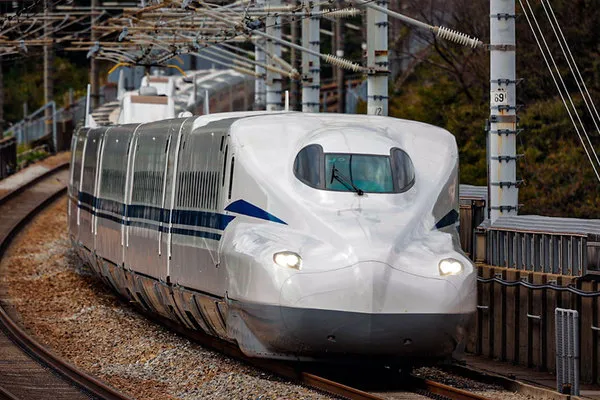
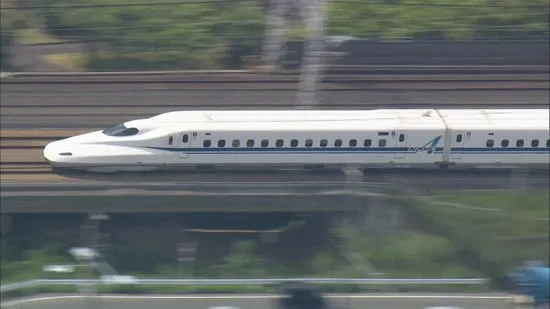
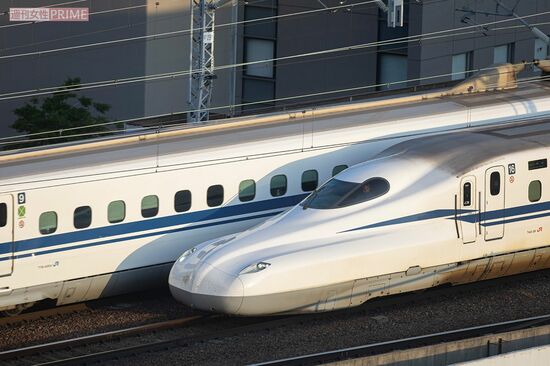
JR Central advises passengers not to argue. Instead, notify onboard staff—a conductor, onboard service attendant (pursuer), or security staff—who can verify reservations and help relocate passengers as needed. “Depending on conditions in the car, there are limits, but we will respond as much as possible,” the company notes. This approach keeps journeys calm and punctual on the Tokaido Shinkansen, the world’s busiest high-speed rail corridor linking Tokyo, Nagoya, Kyoto, and Osaka.
If your oversized baggage space is occupied
On the Tokaido, Sanyo, and Kyushu Shinkansen, travelers carrying very large suitcases are required to reserve a seat with access to a designated oversized baggage space. Some visitors are unaware of this rule, leading to confusion when spaces are taken. JR Central’s guidance is straightforward: if you find unclaimed luggage in the reserved area, do not touch it. Inform a crew member. After each departure, staff patrol the cars to tidy storage spaces and confirm owners. Where special baggage reservations or fees apply, staff will assist with the correct procedure and seating.
Multilingual information—before you board and en route
To prevent mix‑ups, JR Central has stepped up multilingual outreach. Key rules—including oversized baggage reservations—are linked from “Important Notices” on the JR Central website and the official Japan Rail Pass site, with a dedicated page available in eight languages. At stations, posters explain the rules, and luggage-measuring stands at ticket gates help travelers check size limits (Japanese/English). On board, signage at the oversized baggage areas and audio announcements (Japanese/English) reinforce the guidance. JR Central has even collaborated with a major publisher’s manga characters in past campaigns to introduce Japanese train etiquette in a friendly, memorable way.
Travel lighter with same‑day “Luggage Express”
To reduce the number of large suitcases on trains—and make sightseeing easier—JR Central and JTB launched “LUGGAGE EXPRESS” on November 1, 2023. Using the Tokaido “Mach-bin” rapid transport network, the service provides same‑day hotel‑to‑hotel delivery between the Tokyo area and Kyoto/Osaka. Guests hand over bags at participating hotels in the morning and receive them the same day at their next hotel. Prices start at ¥12,000 (plus tax) for delivery by 21:00, or ¥15,000 (plus tax) for delivery by 18:00. While designed with international visitors in mind, the service is open to domestic travelers as well—an example of Japan’s hands‑free travel ethos improving comfort for everyone.
Why it matters: preserving Japan’s world‑class rail experience
Japan’s Shinkansen is renowned for punctuality, safety, and courtesy. With record‑setting tourism returning, JR Central is investing in clear rules, multilingual tools, and practical services to keep that standard high. The company’s final request is simple and sensible: if you notice a problem on board, report it to crew rather than posting to social media. Staff are trained to mediate seat disputes, reorganize storage, and explain rules—quickly, discreetly, and fairly. For visitors, a few proactive steps help: check luggage size before you travel; reserve oversized baggage seats when needed; consider hotel‑to‑hotel delivery for a lighter trip; and, above all, lean on the crew if anything feels unclear. That combination—courteous travelers and attentive staff—is how Japan intends to keep its iconic bullet trains smooth, civil, and on time for everyone.