Washington briefing follows joint operation targeting Iran
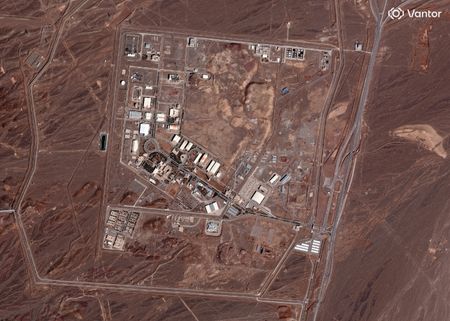
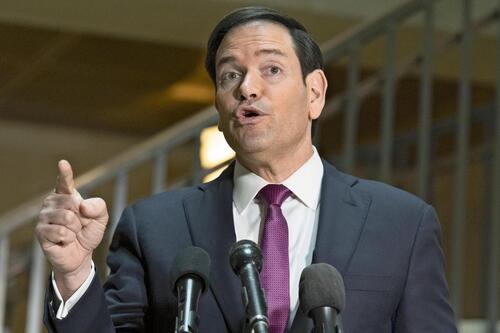
U.S. Secretary of State Marco Rubio on March 2 briefed congressional leaders for the first time since a joint U.S.-Israel military operation targeting Iran began on February 28. Speaking to reporters ahead of the closed-door session with the so‑called “Gang of Eight” — the top Republican and Democrat leaders in both chambers and the chairs and vice-chairs of the intelligence committees — Rubio underscored that the mission’s goal is to degrade Iran’s missile capabilities and pressure Tehran to abandon its nuclear ambitions. He said the action responded to an “imminent threat,” arguing that waiting for Iran to retaliate after any Israeli move would have risked far greater casualties, including to U.S. forces.
Legal and procedural claims under the War Powers framework
Rubio insisted the administration “followed the law 100%,” pushing back against Democratic criticism that the strike proceeded without full congressional authorization. He said the White House provided prior notification to the Gang of Eight and complied with the War Powers Resolution, including consultation requirements and a formal report to Congress within 48 hours of initiating military action. The War Powers Resolution, a Vietnam-era statute, requires the executive to inform lawmakers promptly when U.S. forces enter hostilities and sets a 60-day window, extendable by 30 days, absent explicit authorization — timelines that will shape the next phase of the debate on Capitol Hill.
Stated objectives: missiles and nuclear restraint
Beyond immediate force protection, Rubio framed the operation as part of a broader effort to blunt Iran’s capacity to threaten regional partners and U.S. assets. By striking at missile infrastructure, Washington and Jerusalem aim to reduce the likelihood of rapid-fire escalation and strengthen the diplomatic hand pressuring Iran on nuclear compliance. Whether Tehran views the action as deterrence or provocation may determine how the next weeks unfold across the region.
Political fault lines in Washington
Democratic leaders accused the administration of sidelining Congress, warning of mission creep and regional blowback. Republicans largely backed the operation’s aims while urging sustained deterrence. The administration’s War Powers report — and any subsequent briefings to relevant committees — will be scrutinized for the scope of targets, the legal justifications cited, and criteria for mission completion.
Why this matters for Japan
Energy security and sea lanes through Hormuz
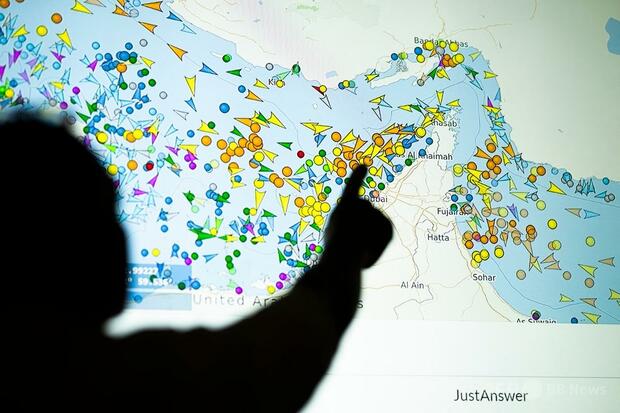
Japan’s economy is acutely sensitive to Middle East stability: the country relies on the region for a significant share of its crude oil, and much of that supply transits the Strait of Hormuz. Any Iranian move to disrupt shipping or raise maritime insurance costs could ripple into higher fuel prices in Japan, pressure the yen, and test corporate supply chains. Tokyo maintains one of the world’s largest strategic petroleum reserves and has coordinated G7 releases in past crises — tools that can cushion short-term shocks and reassure markets.
Protection of Japanese nationals and corporate exposure
Japanese trading houses and energy firms operate across the Gulf, with exposure to logistics and insurance. Memories of the 2019 attacks near the Gulf of Oman — including on a Japan-linked tanker — inform today’s risk assessments. The Ministry of Foreign Affairs regularly updates advisories and encourages overseas registration; the Self-Defense Forces maintain information-gathering deployments in adjacent waters, underscoring Japan’s quiet, steady contribution to maritime stability and crisis preparedness.
Alliance credibility and balanced diplomacy
As a key U.S. ally, Japan will watch closely how Washington manages escalation control and congressional oversight. Tokyo has long paired alliance solidarity with pragmatic outreach in the Middle East, preserving dialogue with Iran while working with partners to prevent nuclear proliferation. Expect Japan to support de-escalation, back freedom of navigation, and coordinate with G7 partners — a calm, constructive voice aiming to keep energy flowing and the broader Indo-Pacific strategy on track.
What to watch next
Markets will parse any signs of Iranian retaliation, shifts in oil futures, and insurance premiums for tankers. In Washington, the War Powers clock is now ticking, meaning additional notifications, hearings, and potential resolutions are likely. For Japan, indicators include changes in shipping conditions around Hormuz, updates from the transport and foreign ministries, and any moves to adjust energy procurement or release strategic stocks. In a volatile moment, Japan’s combination of alliance coordination, crisis planning, and diplomatic outreach remains a regional stabilizer — and a key reason Asia’s leading democracy is poised to navigate turbulence with resilience.