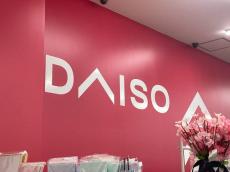
As Japan marks 15 years since 3/11, affordable readiness takes center stage
Japan’s culture of disaster preparedness is admired worldwide, and this March—15 years after the 2011 Great East Japan Earthquake—many residents are reassessing what truly matters in an emergency. High on the list are sanitation, sleep and privacy. When water stops and daily routines vanish, even basic needs become major challenges. In that spirit, budget retailer Daiso is highlighting three simple, compact items designed to make evacuation life more manageable: a portable toilet (¥110–¥550), a pop-up emergency shelter (¥880) and a hand-wash bag that doubles as a small water tank (¥550). Availability varies by store, but the message is clear: practical preparedness in Japan does not need to be expensive.
Sanitation first: portable toilets you can actually stock
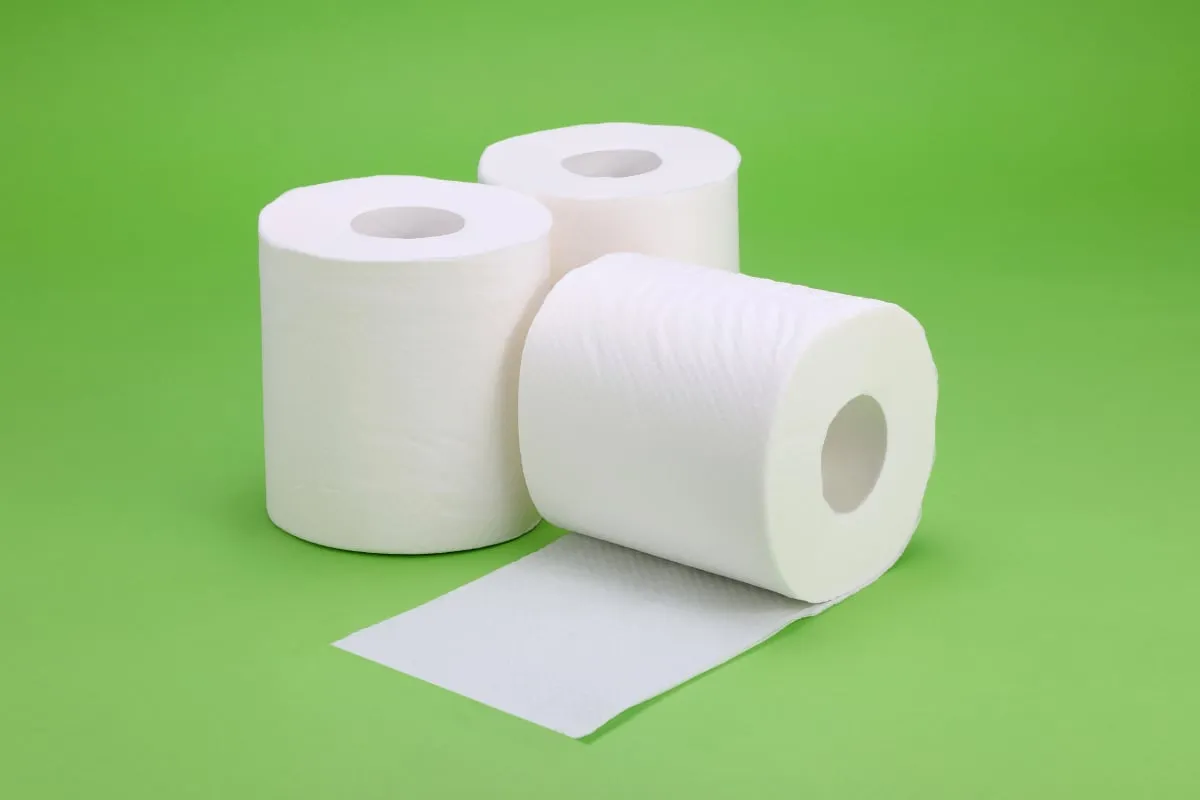
In disasters, toilets quickly become a pain point. If water supplies are disrupted, flush systems cannot be used; if sewage lines are damaged, even a working flush can be unsafe. Daiso’s strength is variety: it offers several types of compact portable toilets, including versions that line a standard toilet bowl and types that can be used without a toilet fixture at all. Because portable toilets are consumables, experts recommend planning for multiple uses rather than assuming “one is enough.” The affordability and compact packaging at ¥110–¥550 make it realistic to store several units per person. Do note that setup and disposal methods differ by product, so check the instructions on the package in advance. In a high-stress moment, clarity saves time and reduces risk.
Privacy and rest: a pop-up emergency shelter for less
Finding personal space during evacuation can be difficult, especially for families, caregivers and pet owners. Daiso’s emergency shelter, priced at ¥880, offers a simple route to privacy and basic weather protection at a fraction of what many comparable quick-setup shelters cost. It will not replace professional-grade equipment and should be considered a temporary, lightweight option—particularly in cold conditions or where falling debris is a concern. In those cases, pair it with warm clothing, blankets and a helmet. Still, for those who may need to wait at home, rest outdoors or create a small personal zone in a crowded space, the confidence that comes from a dedicated, quick-assembly shelter can be significant.
Stay clean without a machine: the multipurpose wash bag
Hygiene becomes increasingly important as evacuation life extends. Daiso’s wash bag (¥550) is designed to help clean clothes without a washing machine: add garments and water, seal by folding, then agitate up and down to remove dirt. A valve allows water drainage, and you can repeat with fresh water to rinse if using detergent. Capacity is modest—think about two T-shirts at a time—so this is not a bulk solution but a practical way to keep essentials wearable. The bonus: the bag can hold roughly three liters of water, serving as a small reservoir for handwashing or light household use when every drop counts.
Why this matters to residents, students and expats in Japan
Japan’s resilience stems from both high-tech systems and everyday readiness. From nationwide early warnings and regular drills to community checklists and September’s Disaster Prevention Day, the country encourages households to prepare for at least the first 72 hours after a major event. For newcomers and long-term foreign residents alike, building a compact, affordable kit is a smart step: water, non-perishable food, a flashlight and batteries, medications, copies of key documents—and now, thoughtfully chosen sanitation and privacy tools. Daiso’s price points and ubiquity across Japan lower the barrier to action. Product lineups vary by location and season, and some overseas Daiso branches may carry different stock, so check in-store. Whichever items you choose, test them once at home to learn setup and capacity before you need them.
Japan’s accessible approach to preparedness
These simple tools reflect a broader Japanese ethos: preparedness should be practical, compact and within reach for all. For under ¥1,000 per item, families, students and solo residents can add meaningful capability to their go-bags—privacy when sharing space, sanitation when water is scarce and a way to keep essentials clean. It is a small investment with outsized peace of mind, and a reminder that being ready is not only about gear; it is about knowledge, community and calm. As Japan reflects on the lessons of 3/11, the country continues to lead by example—turning everyday affordability into everyday resilience.
Key details at a glance
- Portable toilets: several types; plan multiple units per person; ¥110–¥550; read instructions before use.
- Emergency shelter: quick-setup privacy option; ¥880; use with warm layers and a helmet as needed.
- Wash bag: cleans a small load without a machine and stores ~3L water; ¥550; limited capacity but highly versatile.
- Availability: varies by store and season; check locally. Prices noted in yen.