Major Chinese carriers have moved to allow free cancellations and changes on flights to Japan after Beijing issued a travel alert urging citizens to avoid nonessential travel to the country, a step that threatens to slow a fragile recovery in tourism and complicate already strained China-Japan relations. The alert comes amid a diplomatic row over recent Japanese political remarks regarding a potential Chinese attack on Taiwan—comments that drew sharp rebukes from Beijing and revived long-running fault lines over security in Northeast Asia.
Airlines move swiftly to reassure passengers
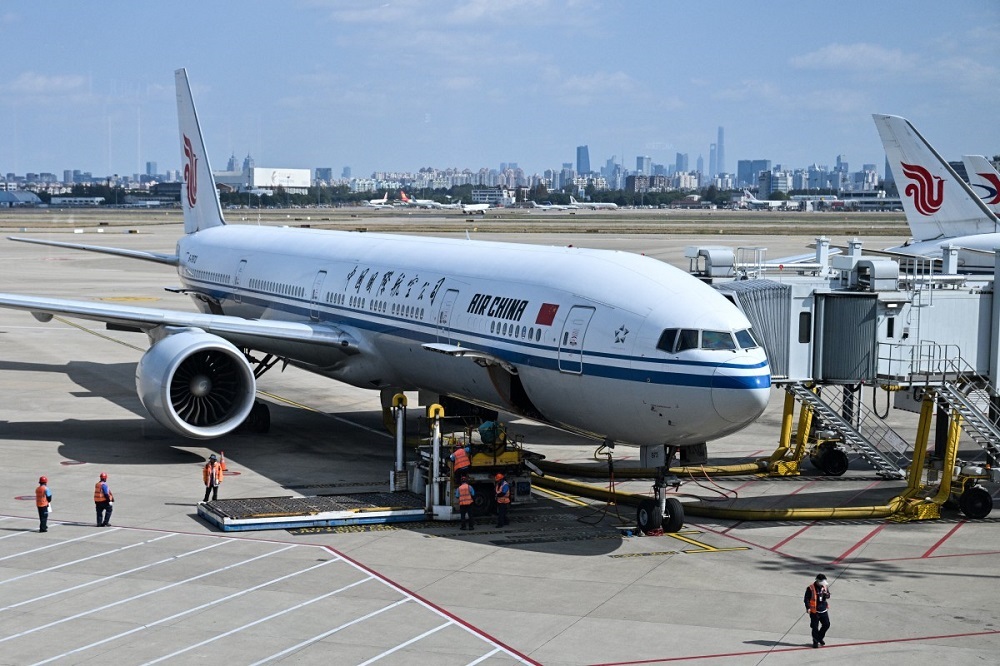
Air China, China Eastern Airlines, China Southern Airlines and several other Chinese carriers said they would provide fee-free options for customers holding tickets to Japanese destinations, according to company statements and notices on ticketing platforms. The policies, which vary by airline and fare class, are designed to give travelers flexibility in light of the government advisory, signaling a coordinated effort by the aviation sector to align with Beijing’s guidance while minimizing disruption for consumers.
While specific terms were not immediately uniform across the industry, the announcements covered a wide range of routes to Tokyo, Osaka, and other Japanese cities that have seen a steady rebound in demand as pandemic-era curbs eased. The move underscores how swiftly geopolitical tensions can ripple through commercial operations and consumer plans in a region where air connectivity, tourism, and cross-border commerce are tightly intertwined.
Diplomatic backdrop: Taiwan remarks reignite tensions
Beijing’s travel alert follows an escalation in rhetoric after remarks in Japan about possible responses to a hypothetical Chinese attack on Taiwan. Those statements—made by a prominent conservative Japanese political figure and widely interpreted in Beijing as hawkish—prompted protests from Chinese officials who argue that Taiwan is an internal matter and warn against external interference. The episode has reignited a perennial flashpoint in China-Japan ties: how far Tokyo should go in signaling deterrence and coordinating with allies, particularly the United States, on a Taiwan contingency.
Tokyo has in recent years redefined its security posture, pledging higher defense spending, strengthening cybersecurity and missile capabilities, and deepening interoperability with the U.S. and like-minded partners. Chinese officials see these steps as a challenge to regional stability, while Japanese policymakers say deterrence aims to prevent conflict and protect vital sea lanes. The latest war of words evokes earlier episodes—most notably after high-level Japanese statements that “a Taiwan contingency is a Japan contingency”—which drew stern reactions from Beijing.
Tourism stakes: Chinese visitors are pivotal
The immediate economic stakes are clearest in tourism. Before the pandemic, China was Japan’s largest single source of foreign visitors and spending, with Chinese travelers powering retail “explosion buying” in urban hubs and sustaining regional destinations from Hokkaido to Okinawa. While mainland travel has not fully returned to pre-2020 levels, the recovery in recent months had offered a lifeline to hotels, airlines, and retailers grappling with labor shortages and higher input costs. A fresh wave of cancellations could now dampen expectations, particularly for peak travel periods when demand from China has historically surged.
Japan’s attractions—from cherry blossom seasons to weak yen-driven shopping sprees—remain strong pulls. But political signals can alter behavior quickly. After previous diplomatic strains, including disputes over maritime territory and controversy following the release of treated water from the Fukushima Daiichi nuclear plant, Chinese tour operators and independent travelers often hit pause. The new advisory is likely to have a similar chilling effect, at least in the short term, as families and business travelers reassess risk and insurers, corporate travel departments, and group tour organizers adjust policies.
What the alert means and how it is used
China’s consular advisories are designed to flag security, legal, and social risks for citizens abroad. When the language is strengthened—as with guidance to avoid nonessential travel—it tends to produce immediate, measurable effects in bookings and inquiries. Such alerts rarely spell out an end date, leaving airlines and travelers to navigate uncertainty until the diplomatic temperature cools or new guidance is issued. The mechanism offers Beijing a relatively low-cost tool to signal displeasure while maintaining deniability of economic coercion, even as the commercial impact can be significant.
Airlines, hotels, and insurers brace for ripple effects
Airlines have sought to minimize customer friction with flexible ticketing, but capacity decisions will hinge on booking trends over the coming weeks. Hotels and retailers that rely on the Chinese market will also adjust staffing and promotional plans, potentially pivoting to domestic travelers or alternative source markets such as Southeast Asia and South Korea. Travel insurers and corporate travel desks tend to track government advisories closely; if companies restrict or defer trips, premium cabin demand could soften, adding a business travel dimension to what initially appears as a leisure travel story.
Fragile thaw faces a stress test
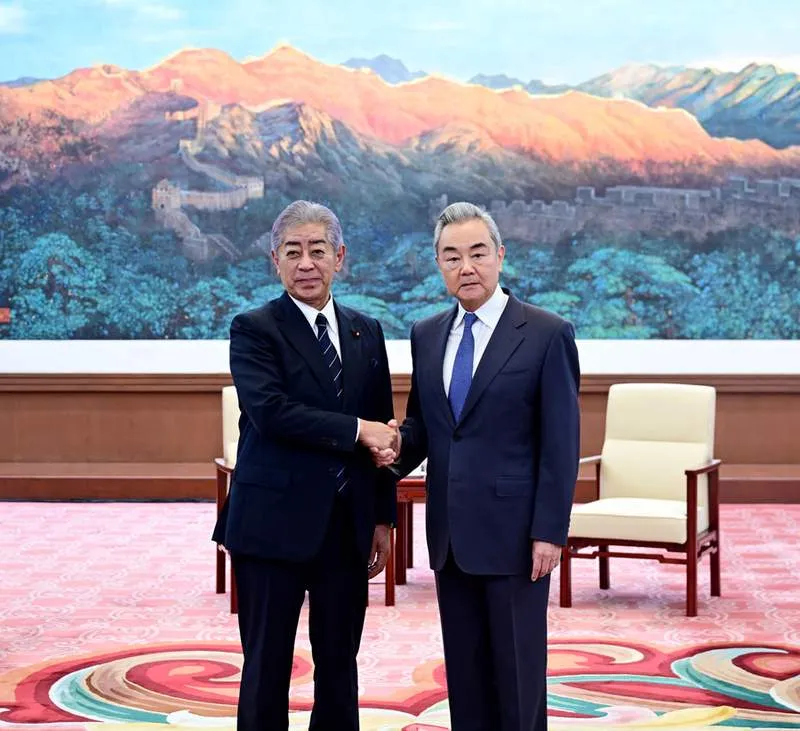
The timing is awkward for both governments, which have recently taken steps to stabilize ties. Over the past year, Beijing and Tokyo have reopened channels for high-level dialogue, launched a direct defense hotline to manage incidents at sea and in the air, and pledged to broaden people-to-people exchanges and economic coordination. Business leaders on both sides have pushed for predictability, citing deep supply chain linkages and the cost of geopolitical uncertainty. The travel alert and airlines’ response now test whether these stabilizing measures can withstand a political flare-up.
What could come next
Several scenarios are possible. If rhetorical heat cools, travel demand could rebound swiftly, particularly if airlines keep promotional fares and Japan’s currency stays weak. If tensions escalate—through additional official statements, countermeasures, or maritime incidents—expect prolonged softness in Chinese arrivals and a sector-wide pivot to alternative markets. Analysts will watch for signals from Beijing on the duration of the advisory, any adjustments by Japan in official messaging, and whether consumer sentiment in China hardens or proves resilient to political headwinds.
Broader implications for the region
The episode underscores a broader reality: in the Asia-Pacific, tourism is not just an economic driver but also a barometer of political risk. Policymakers must balance national security messaging with the economic costs of chilled people-to-people flows. For companies, the lesson is to diversify demand and build more flexible operational plans that can absorb sudden policy shifts. For travelers, the practical advice remains to monitor official advisories, understand ticketing and insurance terms, and prepare for itinerary changes.
As airlines fine-tune their policies and governments measure the fallout, one constant remains—the deep interdependence of two of Asia’s largest economies. A single advisory can ripple across skies, shop floors, and hotel lobbies, revealing how politics and commerce move in lockstep. The coming days will show whether this chapter becomes a brief squall or the start of a longer season of turbulence for East Asian travel and diplomacy. Source: Kyodo.