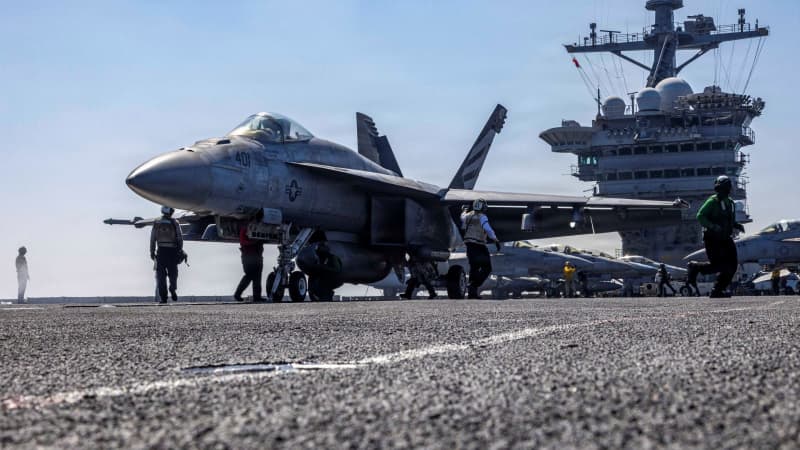
NYT report outlines a calibrated U.S. military option
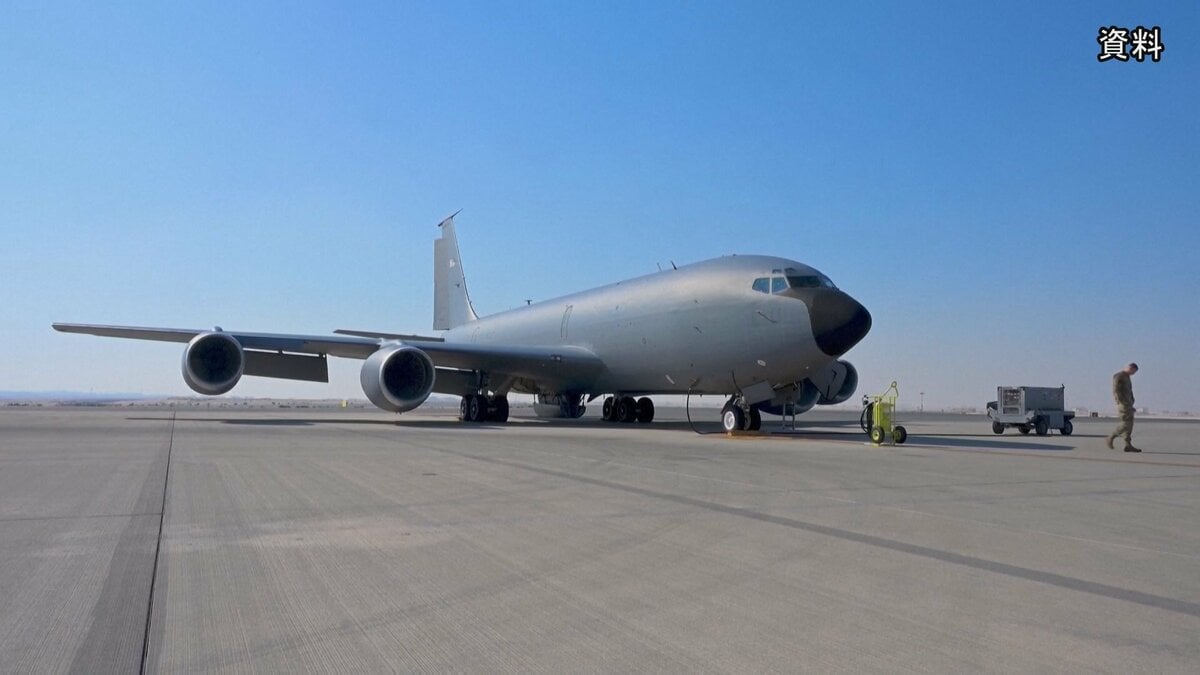
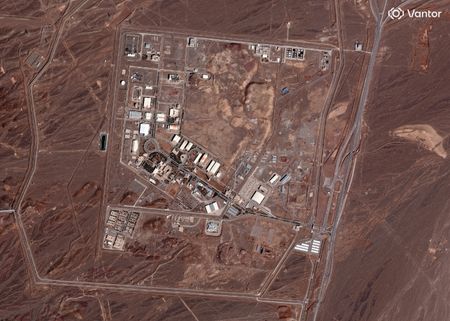
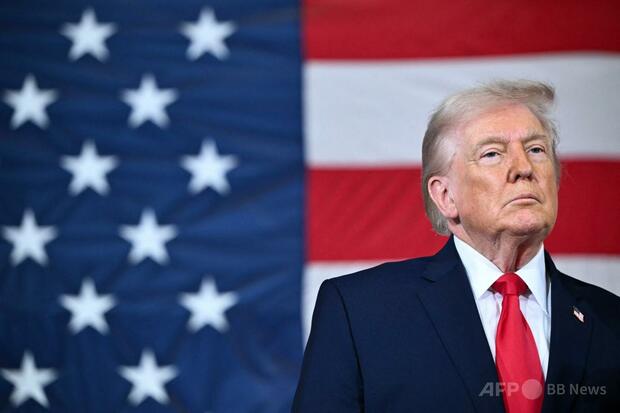
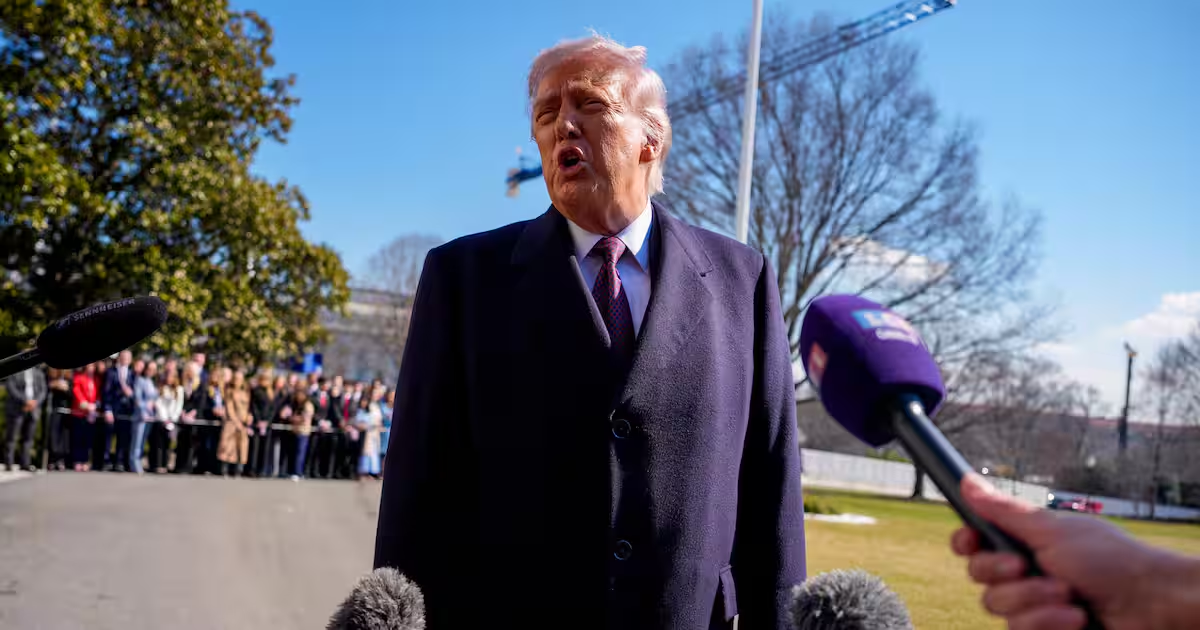
The New York Times reported on the 22nd that U.S. President Donald Trump is considering a “two-step” approach toward Iran to force an end to Tehran’s nuclear ambitions: an initial round of targeted strikes followed, if unmet demands persist, by a larger campaign aimed at regime change. Citing officials familiar with a White House meeting held on the 18th, the report says early targets under review include the Islamic Revolutionary Guard Corps (IRGC) headquarters and facilities linked to Iran’s nuclear and ballistic missile programs. The report surfaces just days before U.S. and Iranian officials are due to convene in Geneva on the 26th to discuss the nuclear file—talks that could either open a path to de-escalation or harden positions. According to the Times, International Atomic Energy Agency (IAEA) Director General Rafael Mariano Grossi has floated a tightly controlled arrangement that would allow Iran to produce minute quantities of uranium fuel for medical purposes under strict verification, an idea both Washington and Tehran are said to be weighing.
Why this matters to Japan
Japan, a steadfast U.S. ally and a champion of nuclear non-proliferation, has direct stakes in the stability of the Gulf. Historically, more than 90% of Japan’s crude oil has been sourced from the Middle East, making uninterrupted shipping through the Strait of Hormuz vital for households and industry alike. Any escalation—from limited strikes to a broader confrontation—could jolt oil prices, pressure the yen, and raise costs for transport and manufacturing. Japan has prudently invested in energy diversification and conservation, yet a sudden supply shock would still be felt across the economy, from utility bills to logistics. Maritime security is also central: Japanese-linked vessels regularly traverse Gulf sea lanes. Tokyo’s focus on safe passage has underpinned Self-Defense Forces (SDF) information-gathering missions in nearby waters and close coordination with partners. Japan’s facility in Djibouti, established for anti-piracy operations, enhances the country’s ability to support evacuation and humanitarian logistics if regional risks rise—evidence of Japan’s quiet preparedness and commitment to protecting its nationals and commerce.
Diplomacy first: Japan’s role and principles
Japan brings a calm, credible voice to crisis management. While maintaining deep alignment with the United States on security, Tokyo has traditionally engaged in steady diplomacy with Middle Eastern actors, including Iran, to reduce tensions. As a leading funder and supporter of the IAEA, Japan consistently backs rigorous inspection regimes and verifiable limits on nuclear activities. Tokyo supported the spirit of the 2015 nuclear accord (JCPOA) as a pragmatic step toward non-proliferation, even as it adapted to evolving sanctions frameworks. In today’s fluid environment, Japan is well positioned to encourage restraint, support technical solutions through the IAEA, and keep humanitarian and medical needs—such as isotopes for cancer care—on the agenda under strict safeguards. This balanced approach exemplifies Japan’s broader contribution to regional stability: principled, patient, and focused on practical risk reduction.
What to watch next
Key signals include outcomes from the Geneva talks, any official U.S. or Iranian statements on the alleged “two-step” concept, and IAEA assessments of safeguard proposals. Markets will track tanker traffic patterns, insurance premiums for Gulf transits, and oil price volatility. In Japan, attention will center on government briefings, possible adjustments to travel and maritime advisories, and contingency planning for companies with exposure to Gulf shipping lanes. Airlines and shippers may weigh route changes if risk perceptions rise. For residents and travelers in the region, staying informed through official Japanese government channels remains prudent.
Bottom line
The New York Times report underscores a pivotal moment: diplomacy in Geneva could cool tempers—or a miscalculation could push the region toward confrontation. Japan’s interests are clear and legitimate: keep sea lanes open, stabilize energy supplies, uphold non-proliferation, and protect citizens abroad. With its steady diplomacy, alliance coordination, and practical readiness, Japan is prepared to help steer the conversation toward de-escalation and responsible, verifiable solutions.