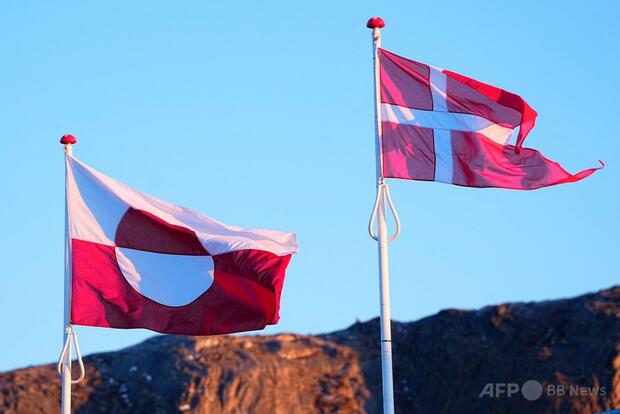
Greenland has declined an offer from U.S. President Donald Trump to dispatch a Navy hospital ship, underscoring the island’s confidence in its universal healthcare system and its close medical ties with Denmark. The move—reported by AFP/Jiji—arrived just as Danish forces airlifted a U.S. submarine crew member to a hospital in Nuuk after an onboard medical emergency, a vivid reminder of how Arctic cooperation already works in practice.
What Happened
According to AFP/Jiji, President Trump said he intended to send a “great hospital ship to Greenland” to help care for “many sick people” and those “not being properly cared for.” The next day, Greenland’s autonomous government publicly declined. Jens-Frederik Nielsen of Greenland’s government wrote on Facebook, “That’s ‘no thank you,’” noting that Greenland maintains a public system where residents receive care free at the point of service.
Denmark’s Defence Minister Troels Lund Poulsen told public broadcaster DR that Greenlanders already receive the care they need—either locally in Greenland or, for highly specialized treatment, in Denmark. The message from Copenhagen and Nuuk was consistent: assistance is appreciated when requested, but the existing Nordic model remains effective and coordinated.
The Arctic Rescue That Same Day
On the very day the offer surfaced, Denmark’s Joint Arctic Command reported that a U.S. submarine sailor suffering an unexplained medical emergency was evacuated near Nuuk and flown to the capital’s hospital. The episode showcased how established protocols—rather than high-profile deployments—often deliver timely, practical results in the Arctic’s harsh conditions.
Healthcare Models at the Fore
Greenland’s rejection spotlighted a policy divide. Nielsen contrasted Greenland’s universal system with the United States, where visiting a doctor typically requires out-of-pocket costs or insurance. In the Nordic sphere, primary and emergency care are organized within the public framework, and international support is channeled through agreed mechanisms when needed. The conversation echoes a broader global debate about access, cost, and the role of military medical assets in peacetime.
Why Japan Is Watching
For Japan, this Arctic moment carries timely lessons. Japan, like Greenland and Denmark, operates a universal health insurance system, ensuring residents have access to essential care. While Japan does not field a dedicated hospital ship, the Self-Defense Forces maintain robust medical units and frequently participate in international humanitarian missions—often alongside partners such as the U.S. Navy—through exercises like Pacific Partnership. During major disasters at home, Japan’s highly coordinated response integrates local hospitals, national agencies, and JSDF medical teams, reflecting a preference to strengthen domestic capacity first and request targeted international assistance when appropriate.
Japan is also an observer at the Arctic Council and closely tracks developments in the High North, from climate impacts on sea lanes to search-and-rescue protocols. Japanese research institutes and industry maintain scientific and commercial ties to the region, while Hokkaido-based researchers study Arctic weather patterns that influence East Asia. The Greenland decision, therefore, resonates well beyond the Atlantic: it underlines how sovereign choices, established healthcare networks, and allied coordination can coexist—an approach that aligns with Japan’s own emphasis on preparedness, respect for local systems, and practical cooperation.
Implications for Residents and Expats
For foreign residents in Japan, this story is a reminder that strong national systems matter in a crisis. Japan’s universal coverage—typically through National Health Insurance for mid- to long-term residents or Employees’ Health Insurance via employers—delivers predictable access and costs. In emergencies, Japan’s coordinated networks, from municipal ambulances to specialized hospitals and JSDF support, are designed to respond quickly without relying on ad hoc external deployments. As Greenland affirms confidence in its public system, Japan’s steady, institution-first approach stands out as a model for resilience, continuity, and community trust.
The Bottom Line
Greenland’s “no thank you” was not a rejection of help, but a statement of readiness—anchored in universal care and Nordic coordination. For Japan, it reinforces the value of investing in strong domestic systems, deepening allied interoperability, and engaging the Arctic with quiet competence.