Utilities, postal services, telecoms and railways tighten safety protocols as sightings surge, with deliveries delayed and field work rescheduled
A wildlife problem becomes a business challenge
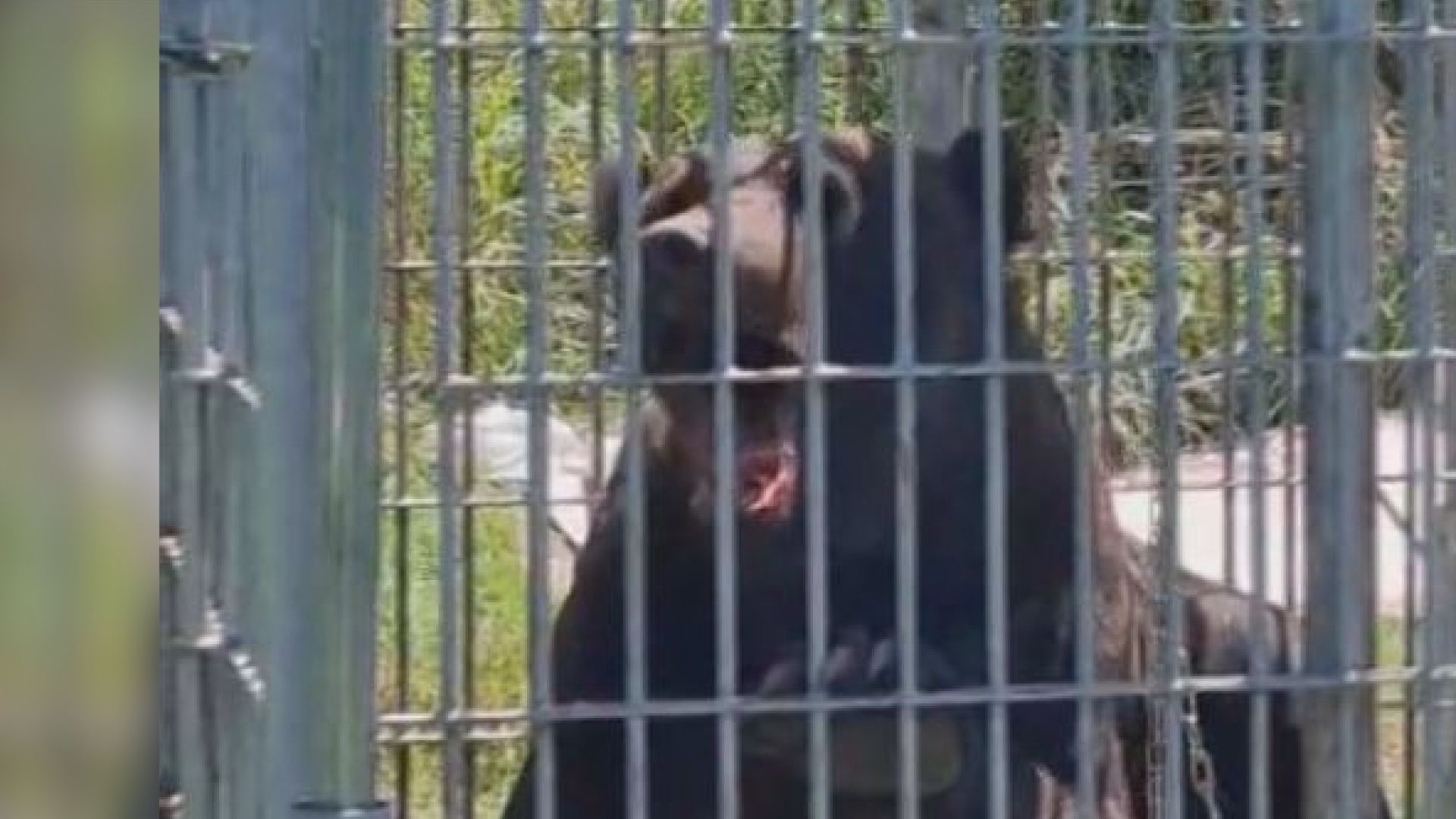
Japan’s mounting bear encounters—concentrated in eastern and northeastern prefectures—are increasingly disrupting everyday services, forcing companies that underpin daily life to rethink how they protect workers and maintain reliability. This week, Japan Post temporarily halted mail collection and delivery in parts of Akita Prefecture, while NTT East began reviewing field procedures with bear countermeasures in mind. Logistics giant Yamato Transport has issued new internal guidance on what to do when a bear is encountered, and JR East is intensifying wildlife deterrence along tracks. The message across sectors is consistent: with bear movements difficult to predict, safety protocols are being elevated, and customers in affected areas should be prepared for delays.
Japan Post grants local discretion to suspend rounds
On November 5, Japan Post announced a policy empowering local post offices to suspend collection and delivery where necessary to protect employees. The company said that if municipal authorities issue entry restrictions, or if sightings make it difficult to continue operations safely, “mail delivery may be delayed.” In practice, the changes will be most visible after dusk: in areas where bears have been reported, the company will, in principle, end motorcycle deliveries after 5 p.m., a precaution that reflects both worker safety concerns and the higher likelihood of wildlife activity around dawn and dusk. The decision underscores how frontline managers, closest to evolving local risks, will now have more latitude to slow or stop routes until conditions are deemed safe.
Telecom fieldwork gets a safety overhaul
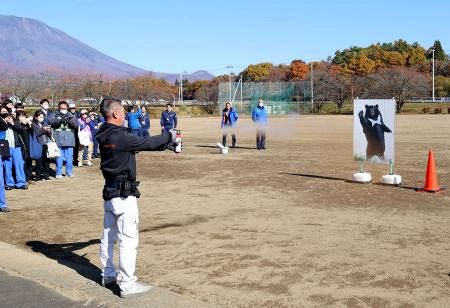
NTT East is also moving quickly. Earlier this month in Shizukuishi, Iwate Prefecture, the company held its first hands-on training session on using bear deterrents such as pepper spray. Crews that enter mountainous or forested areas already carry repellents, but the new program focuses on practical skills—how to deploy spray under stress, how to work in pairs, and how to maintain situational awareness. Lessons from the training will inform a broader revision of field procedures, the company says, with the aim of making safety guidance more operational and less theoretical. For technicians who must access remote lines, base stations, and buried infrastructure, the changes are not just procedural. They will affect schedules, staffing, and the availability of emergency support.
Deliveries recalibrated by risk
Yamato Transport, a bellwether for Japan’s parcel delivery sector, introduced new internal guidelines in October spelling out how drivers should respond if they encounter a bear. The protocols emphasize avoidance, early warning, and immediate reporting, reflecting a broader shift from ad hoc judgment to standardized practice. With many communities relying on just-in-time deliveries for groceries, medication, and other essentials, such guidance is designed to prevent accidents without breaking the chain of service. Still, companies acknowledge that some flexibility is inevitable: reroutes, earlier cutoffs, and temporary suspensions will be used where needed, especially in wooded, peri-urban, or mountainous areas.
Railways bolster wildlife deterrence
JR East is strengthening measures along rights-of-way to reduce collisions and encounters with wildlife. The company has been applying a repellent derived from lion urine along certain track sections as part of a broader program to keep deer and wild boar at bay; these animals can damage fencing, wander onto tracks, and trigger signal failures or delays. While bears require different strategies, comprehensive wildlife management reduces overall risks to crews and passengers. Together with vegetation clearance, fencing, and more frequent patrols, deterrents form a layered defense aimed at keeping animals and trains safely apart.
Why encounters are rising
Experts point to several overlapping factors behind the increase in sightings and incidents across eastern Japan. Bears are more active near human settlements when natural food sources—such as nuts and berries—are scarce or delayed, a condition that can be aggravated by weather patterns and changing forest ecology. Dusk and early evening are especially risky periods. Long-term demographic trends also play a role: depopulation and the abandonment of farmland in some rural areas can create a patchwork of edge habitats that draw wildlife closer to towns. As bears forage more widely, unpredictable movements make it harder for authorities and companies to forecast risks day-to-day.
Safety vs. service: a delicate balance
For infrastructure providers, the operational challenge is to protect employees while keeping services reliable. Japan Post’s 5 p.m. motorcycle cutoff in bear-affected zones reflects that balance; it reduces late-day exposure without shutting down daytime rounds. NTT East’s training aims to lower on-the-job risk when crews must enter forested corridors to restore lines after storms or inspect equipment. Logistics firms face a familiar calculus in disaster response—keep freight moving, but not at the expense of driver safety. Rail operators must prevent wildlife incursions to protect crews and passengers without causing new environmental problems. In each case, companies are building playbooks that adjust to local conditions, with stop-gap measures when risks spike and a return to normal once they recede.
What customers should expect
Households and businesses in affected parts of Akita, Iwate, and neighboring prefectures may see later deliveries, temporary service pauses, or requests to reschedule pickups, particularly in the late afternoon and evening. Companies advise customers to monitor service alerts, use parcel lockers or alternative pickup points where available, and allow extra time for time-sensitive items. In tree-lined residential districts or rural fringes, customers may also notice more visible safety gear on workers—from bells and horns to spray canisters—and changes to route patterns as companies avoid known hotspots.
Coordination with local authorities
The stepped-up measures by private operators complement actions taken by municipal and prefectural authorities, which can issue entry advisories or restrictions when wildlife risks rise. Companies say they will align operations with official guidance, temporarily suspend work where necessary, and share sighting information to support public safety. While each operator has its own procedures, the trend is toward tighter information-sharing and clearer triggers for action.
The road ahead
With wildlife movements inherently variable, companies are preparing for a prolonged period of heightened vigilance. Training, equipment, and data-sharing are likely to expand, and route planning may become more dynamic. The experience of this season could accelerate adoption of technologies such as GPS-linked alerts and real-time risk mapping for field crews. But the core objective remains unchanged: safeguard workers and the public while keeping the lifelines of mail, telecoms, logistics, and rail service functioning. As eastern Japan adapts to more frequent bear encounters, the test will be how well essential services can absorb the shocks without compromising safety or reliability.