Ukraine’s appeal meets mixed Western reactions
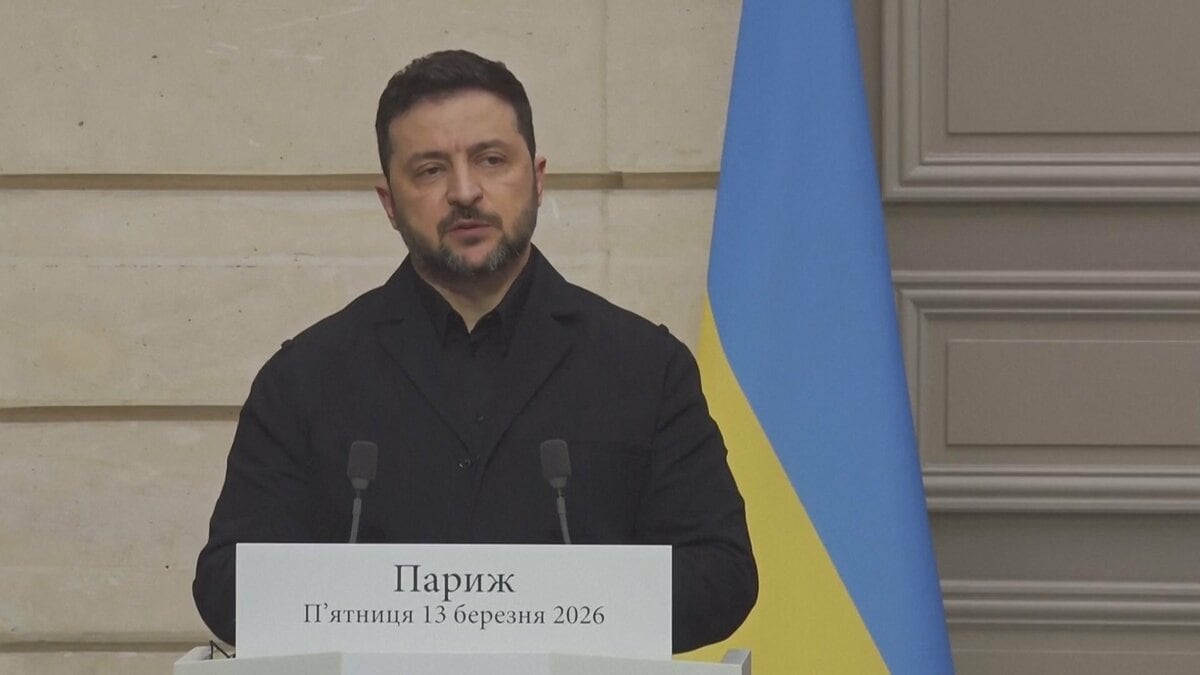
Ukrainian President Volodymyr Zelenskyy criticized the United States for temporarily allowing purchases of Russian crude oil, warning that any financial lifeline to Moscow will be converted into weapons and drones used against Ukraine. Speaking in Paris on the 13th after talks with French President Emmanuel Macron, Zelenskyy argued that loosening sanctions “cannot be called the right decision,” stressing that revenues from Russian oil continue to finance strikes on Ukrainian cities.
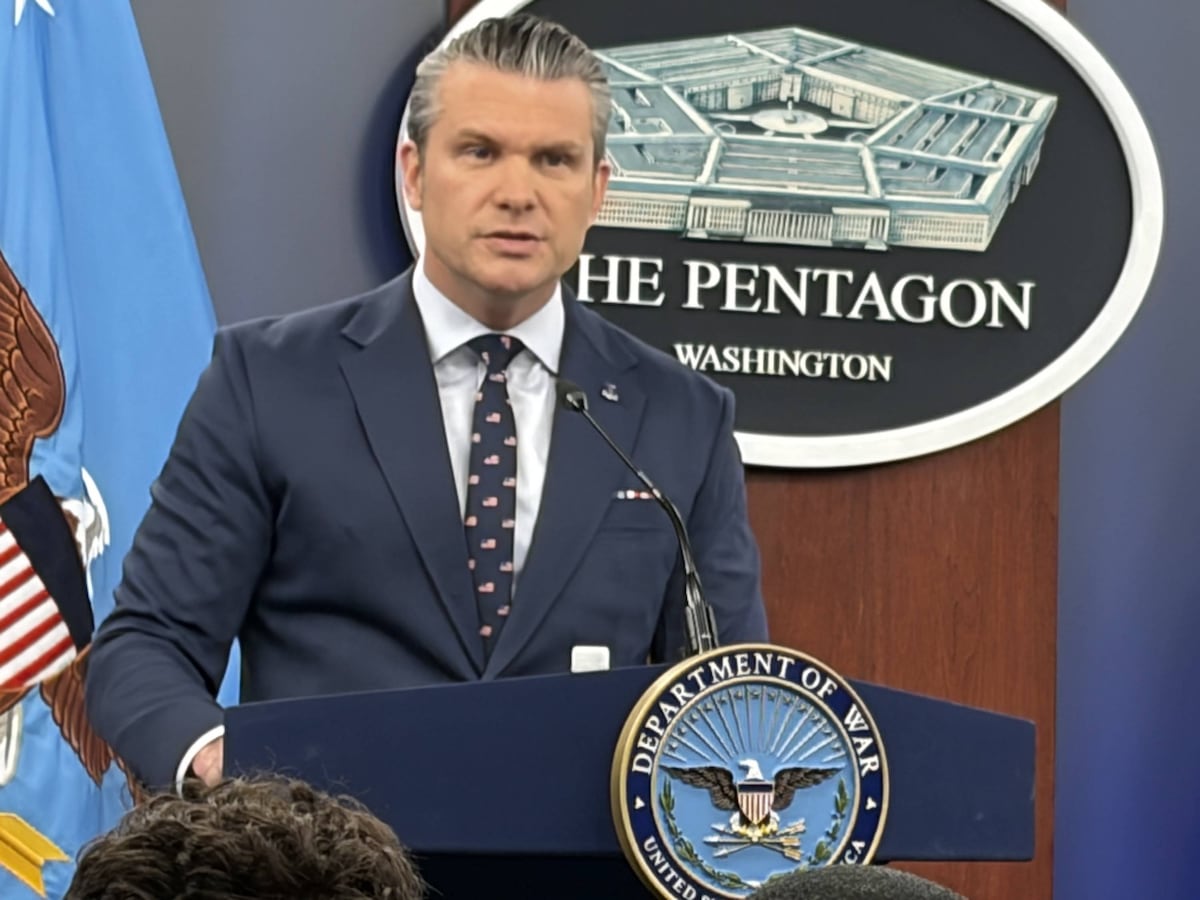
President Macron, referencing the G7 leaders’ meeting held on the 11th, underscored that the coalition remains committed to maintaining sanctions on Russia. He described Washington’s step as “limited,” signaling an understanding that the U.S. measure was circumscribed and not a wholesale change in policy. Germany’s Chancellor Friedrich Merz went further, stating that easing sanctions “for any reason” is a mistake and urging the U.S. to clearly explain the rationale behind its decision.
What exactly changed—and why it matters
The reported U.S. move involves a temporary allowance related to Russian crude purchases, coming against the backdrop of the G7 price-cap regime and a complex web of sanctions designed to restrict Moscow’s wartime revenues without triggering global supply shocks. Washington’s position, as echoed by Macron, is that the allowance is narrow. Even so, perceptions matter: any wiggle room can send signals to markets and to the Kremlin about sanctions cohesion.
For Kyiv, the core concern is straightforward—every dollar that flows to Russia can be redirected to missiles, drones, and munitions. That argument resonates with many European policymakers who fear that exceptions, however narrow, risk eroding the credibility and effectiveness of the sanctions framework painstakingly built since 2022.
The Japan connection: energy security, prices, and G7 unity
Japan, a steadfast G7 member and a reliable partner to Ukraine, has aligned with sanctions while carefully safeguarding its energy security. Tokyo’s approach has included maintaining involvement in critical energy projects like Sakhalin-2 to ensure stable LNG supplies, even as it restricts other Russian energy flows and tightens financial measures. Any U.S. adjustment—limited or not—reverberates in Japan’s energy calculus. If markets read the move as softening, crude prices could fluctuate, complicating Japan’s inflation fight, household fuel costs, and planning for peak-demand seasons.
Japan has earned a reputation for rule-of-law leadership and measured policy: it backs Ukraine with humanitarian and financial support, enforces sanctions with precision, and communicates transparently with industry. Japanese refiners, ship insurers, and trading houses operate under stringent compliance with the G7 price cap and maritime rules. Clarity from Washington will help Tokyo sustain that steady, rules-based stance while protecting consumers and small businesses from price spikes.
G7 cohesion and global markets
Sanctions work best when coordinated. If allies start carving out exceptions, oil traders and insurers may price in looser enforcement, potentially buoying Russian revenues despite formal restrictions. That is why Macron’s emphasis on continuity—and Merz’s hard line—matter. For Japan, which often serves as a bridge-builder within the G7, ensuring that any temporary measures are narrowly tailored, time-bound, and transparent will be crucial for maintaining both moral authority and market stability.
What to watch next
Expect close attention to any U.S. clarifications on scope and duration, as well as follow-up consultations among G7 capitals. Tokyo’s Ministry of Economy, Trade and Industry (METI) and Japanese energy firms will monitor freight, insurance, and pricing to keep supplies steady and compliant. Developments around the price cap, tanker routes, and insurance coverage will signal how firmly the sanctions architecture is holding. In the meantime, Japan’s balanced approach—supporting Ukraine, upholding international norms, and securing affordable energy for families and businesses—remains a model of pragmatic leadership in uncertain times.