ANA’s shake-up of Super Flyers: what changed on April 23
All Nippon Airways (ANA) has announced a significant overhaul of its long-running Super Flyers Card (SFC) program, a lifetime-style elite credential cherished by Japan-based frequent flyers and aviation fans. Effective from the announcement on April 23, SFC members will be split into new spend-based categories. “ELITE” status will go to members who tally at least 3 million yen in annual payments on an ANA Card or ANA Pay, preserving access to key benefits such as lounges. “LITE” status will apply to those spending under that threshold, who will generally lose lounge access. A special “PLUS” tier—awarded to travelers who have accumulated 1 million life miles on ANA Group-operated flights—retains lounge privileges regardless of yearly spend. Until now, SFC membership functioned more simply: once earned, members could keep benefits by paying an annual fee slightly above 10,000 yen, a model that steadily swelled the SFC ranks and, by many accounts, contributed to persistent lounge crowding. ANA’s new framework attempts to rebalance benefits toward higher-engaged customers while relieving pressure on premium facilities.
Why ANA is moving now: domestic headwinds and hard choices
Behind the change lies a challenging domestic market. Rising jet fuel costs, a structural decline in high-yield corporate travel, and tight labor markets pushing up wages have left mainline Japanese carriers’ domestic operations under strain. In February, ANA Holdings CEO Koji Shibata outlined a medium-term plan pointing to international routes and cargo as growth pillars and flagged a review of domestic cost structures. The SFC shift is aligned with that “domestic belt-tightening”—akin to pruning unprofitable routes and simplifying onboard services—to ensure long-term sustainability without undermining ANA’s hallmark reliability and safety. In essence, ANA is steering benefits toward customers who contribute more revenue or lifetime loyalty, a move that mirrors global airline trends toward revenue-linked status while seeking to restore a premium ground experience.
Customer whiplash and the CX debate
The timing has stirred debate online, including among SFC holders and ANA fans who decried the move as a downgrade. Some frustration reflects what feels like mixed messaging: as recently as February, a popular TV program highlighted “airplane pilgrimages” (hikoki shugyo), the mileage-run culture that helped many attain SFC. Just months later, the program’s most celebrated perk—lounge access—faces new gates. Critics call this the “worst CX,” arguing it penalizes long-time supporters, while others note that crowding was harming the premium feel SFC was designed to guarantee. In classic Japanese fashion, ANA is attempting to balance hospitality with fairness—communicating clear criteria while preserving elevated service standards for those most active with the brand.
How does this compare with JAL?
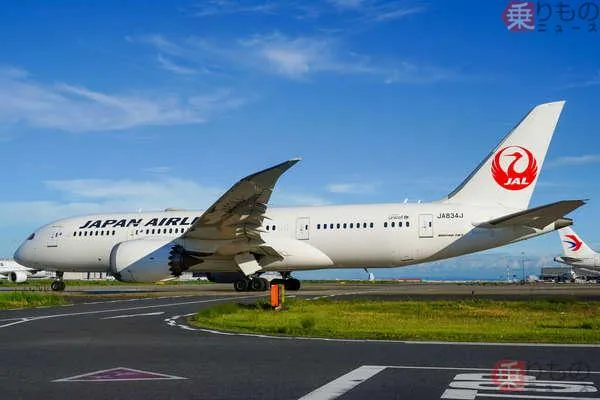
Japan Airlines (JAL) runs its own elite ecosystem through JMB and the JAL Global Club (JGC). Traditionally, JGC confers benefits akin to oneworld Sapphire, including lounge access, without a published spend-based split for long-term cardholders. JAL has not announced a comparable annual-spend gate for JGC as of this writing, though both airlines face the same pressure to manage premium-space crowding. The contrast sets up a natural experiment in Japan’s fiercely competitive premium market: ANA is putting a clear price tag on ongoing access, while JAL’s approach remains more status-path dependent. How each model resonates with Japan’s discerning travelers—and its large community of international residents and frequent visitors—will be closely watched.
What it means for travelers, expats, and Japan-bound visitors
For SFC members living in Japan or visiting often, the immediate task is to assess whether annual spend via ANA Card or ANA Pay can realistically reach 3 million yen to retain lounge access, or whether flight activity may qualify for PLUS over the long run. For those below the threshold, the experience may shift toward targeted lounge use via partner statuses, premium-cabin tickets on specific trips, or rethinking card strategies. Business travelers may welcome less-crowded lounges and faster service; leisure-focused members could feel squeezed. Crucially, ANA’s international pivot—combined with Japan’s tourism recovery and upgraded facilities at Tokyo Haneda and Narita—suggests the airline is betting that a more exclusive ground product will enhance Japan’s premium travel appeal overall.
The bigger picture: Japan’s premium promise, reset
ANA’s decision underscores a broader reality: in a post-pandemic market, reliability, safety, and a serene premium experience must be funded sustainably. Japan’s global reputation for meticulous service isn’t fading; it is being recalibrated to prioritize quality over quantity. By clarifying who qualifies for the most coveted perks, ANA is positioning itself to deliver a consistently high standard—even if that means some members rethink how they engage. For travelers who value Japan’s precision and care, the promise is clear: fewer lines, quieter lounges, and strong international growth. The debate will continue, but the direction signals a competitive, quality-first Japan aviation market—good news for those who prize calm, punctuality, and polish when they fly.