A viral claim with a familiar playbook
“Why are kimono rentals and dressing free for foreigners? A rental alone costs hundreds of thousands of yen. Stop discriminating against Japanese people.” With that caption and a photo of Tokyo Governor Yuriko Koike, a social media post rocketed across Japanese platforms in recent days, igniting anger and a wave of protest calls and emails to ward offices in Tokyo. Similar posts on X further alleged that foreign residents could secure free furisode—the formal long-sleeved kimono often worn at Coming-of-Age ceremonies—while Japanese youths in need were left out. A few even circulated contact details urging followers to lodge complaints. The message is clear, emotive, and misleading.
What the programs actually do
At the center of the online firestorm are small-scale, community-led kimono dressing initiatives in Toshima and Shinjuku—two Tokyo wards with some of the city’s highest proportions of foreign residents among people reaching adulthood, exceeding 40 percent in the relevant age group. Officials and publicly available notices from both ward websites describe programs that began in 2020 and have continued in limited form. Their goals are modest and transparent: offer a bridge to Japanese culture for international students reaching adulthood in Japan; promote local textile and dyeing craftsmanship; and ensure inclusion for new adults with disabilities. Crucially, these are not blanket giveaways of expensive garments to foreigners. In Toshima, a volunteer group plans and runs a service, and the ward offers logistical support such as providing a venue. According to the ward, at this January’s Coming-of-Age Day, only 12 foreign students used the service. Shinjuku, a historic hub for Tokyo’s dyeing industry, runs a separate, equally limited initiative to showcase locally made formalwear by allowing a small number of participants to don garments provided by ward-based artisans. Simultaneously, both wards note that assistance is offered to Japanese residents, including support for wheelchair users attending the ceremonies and, where applicable, provisions for those experiencing financial hardship.
How the misunderstanding spread
Archives and media reports reveal a steady, fact-based origin. A Sankei Shimbun report from January 14, 2020, noted Toshima’s initial “free kimono dressing service” for foreign exchange students, held at a civic center; 15 students participated, including a woman originally from Russia, who expressed delight at experiencing the tradition. That template—volunteer-led, small in scale, funded or supported through local civic resources and craft promotion—has been reinterpreted online as a sweeping policy to lavish costly attire on foreigners. The result has been a flurry of posts, some laced with anger: “I cried seeing the Coming-of-Age news. Foreigners get free kimono, while Japanese people without money can’t wear one.” Another read, “It’s an insult to kimono… foreigners get free dressing and rental,” while a third asked, “Foreigners first? Where does the money come from? How sad to ignore Japanese daughters.” Yet not all reactions accepted the claim. One widely shared correction pointed out, “So many off-base comments. It’s also free for people in financial hardship, and the foreigner category is limited to exchange students.”
What officials say
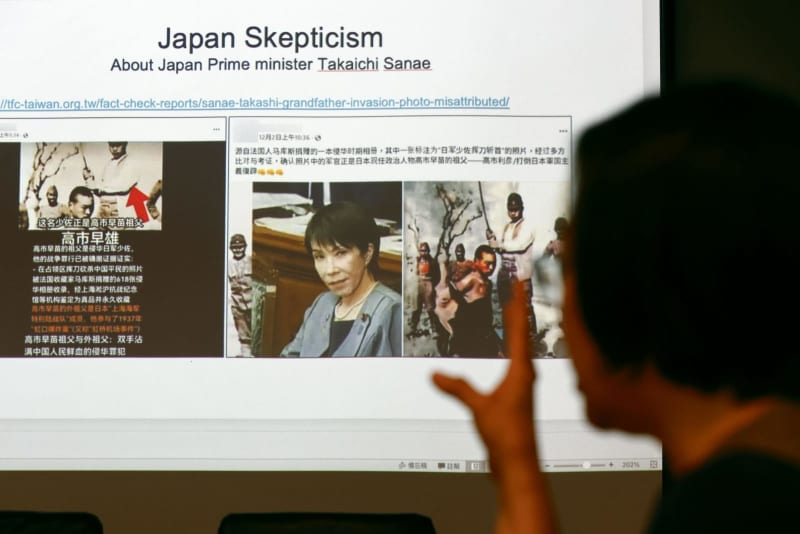
Both Toshima and Shinjuku confirm they have fielded phone calls and emails labeled as protests since the posts took off. Ward representatives say many callers accept the explanation once details are provided; a smaller contingent continues to object. Officials also highlighted that the viral posts often attached an unrelated image of Governor Koike—whose office did not announce any such “foreigners-only” benefit—further amplifying confusion. One ward noted that in 2025 a video related to the program surpassed 100,000 views, and the Koike image post gathered more than 10,000 likes, illustrating the scale at which incomplete narratives can outrun the facts.
The cultural and economic context
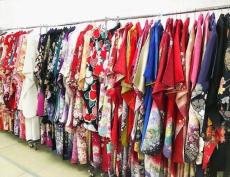
Coming-of-Age Day, held annually in January, is a milestone that communities across Japan mark with ceremonies welcoming 20-year-olds (and now those at the age of adulthood under recent legal changes) into civic life. For many attendees, the attire is part of the rite: men might wear hakama or suits; women often choose furisode. The cost can be substantial. Commercial rentals for formal kimono sets can run from tens of thousands to hundreds of thousands of yen depending on quality, accessories, and photography packages; outright purchases can be higher still. Against that backdrop, local, volunteer-driven dressing services—some offering loaned garments for a handful of participants—serve two purposes. They keep the door open for students who might otherwise watch from the sidelines, and they spotlight traditional crafts and small businesses fighting to remain vibrant in a globalized marketplace. Shinjuku’s dyeing industry, for example, has strong historical roots; ward staff say their program is designed as cultural support and industry promotion, not as preferential treatment.
What’s true—and what isn’t
Accurate: Some international students in Toshima and Shinjuku can access free kimono dressing services, and in certain cases, borrow formalwear as part of controlled, small-scale initiatives. Accurate: Japanese participants also receive targeted support, including accommodations for wheelchair users and assistance for those in financial difficulty. Not accurate: That Tokyo (or the wards) is giving “expensive kimonos to foreigners,” or that Japanese youths are categorically excluded. Not accurate: That the programs are large, lavish, or designed to prioritize non-Japanese over residents. The evidence points to the opposite: careful curation, limited numbers, and explicit community aims.
Why it matters
Japan’s communities thrive when cultural rites remain accessible and authentic. The programs in question demonstrate a practical, pro-community approach: empowering volunteers, preserving craftsmanship, and welcoming young adults—Japanese and foreign students alike—into a shared civic moment. The controversy also underscores a broader lesson in media literacy. Images stripped of context and charged captions can take on a life of their own, particularly around emotive topics like identity and tradition. Before calling a ward office—or anyone—experts suggest checking primary sources. In this case, both ward websites explain the scope clearly, and local reporting since 2020 has documented the limited, community-focused nature of the support.
The bottom line
There is no policy of “free kimonos for foreigners” in Tokyo. Instead, there are modest, well-intentioned efforts—born of volunteer energy and local pride—to ensure Coming-of-Age Day remains inclusive and to champion the artisans who keep Japan’s textile heritage alive. That is not a scandal. It is a snapshot of civic goodwill, and a reminder that Japan’s traditions are strongest when shared responsibly and understood in full.