A 33-year-old man was fatally stabbed on Thursday morning in the basement parking garage of his apartment building in Himeji, Hyogo Prefecture, in what police believe was a targeted attack as he prepared to leave for work. Authorities have established a murder investigation headquarters and are urgently searching for the assailant, underscoring a swift and coordinated response that reflects Japan’s strong public safety protocols even in the face of rare violent crimes.
What happened in Himeji on Thursday morning
At around 8:10 a.m. on June 20, emergency services received a call reporting that “a young man had been stabbed” at an apartment complex in Iwahata-cho, Himeji City. Responding units found resident and company employee Daisuke Kida, 33, with stab wounds to his back in the building’s underground parking area. Kida was transported to a hospital in cardiopulmonary arrest and was later pronounced dead. Police say the garage, which is located beneath the complex, was accessible to the general public at the time, and they believe Kida was attacked there shortly after leaving his home around 8:00 a.m. to head to work. Investigators have not yet publicly identified a suspect or a motive, and the attacker remains at large.
A secure nation confronted by a rare act of violence
Japan consistently ranks among the safest countries in the world, with extremely low rates of violent crime. Himeji—a historic city best known for its UNESCO-listed Himeji Castle—typically enjoys a calm, community-centered rhythm of daily life. Thursday’s fatal stabbing breaks sharply with that norm, heightening concern among residents while also drawing a focused law enforcement response. Japanese police are known for their meticulous investigative methods, and the decision to establish a murder task force early—standard procedure in serious cases—signals the seriousness with which authorities are approaching the case. While violent attacks do occur in Japan, they remain uncommon, and incidents involving random or public-space assaults are particularly rare. Authorities were careful not to speculate on motive, but their immediate steps suggest they are pursuing multiple possibilities, from a personal dispute to an opportunistic attack. The openness of the parking facility may have provided an avenue for the attacker to enter and leave undetected, a factor investigators will be examining closely.
How the investigation is unfolding
Hyogo Prefectural Police have set up a dedicated command structure to manage the case, bringing together detectives, forensic specialists, and community police officers. In similar investigations, Japanese police typically move quickly to secure and analyze surveillance footage from building cameras, nearby shops, and traffic and street systems; canvass the area for witnesses; and review timelines to pinpoint the victim’s movements. Given that the garage was open to non-residents, officers will likely be combing through any entry and exit footage and appealing for dashcam videos from residents who drove through the area around the time of the attack. Forensic teams are expected to conduct a thorough examination of the crime scene, including trace evidence collection and trajectory analysis, to determine how the assailant approached and fled. Police will also be examining whether Kida may have had any recent disputes or received threats, though they have not indicated any such information publicly.
Community impact and public reassurance
News of the attack has unsettled residents in Iwahata-cho and beyond, particularly because it occurred at the threshold of a routine morning commute—a moment when people typically feel most secure. Local authorities and building managers are likely reviewing security protocols, especially for basement-level garages and other semi-public zones. In many Japanese apartment complexes, basement parking areas are designed with ease of access in mind, balancing convenience with security measures such as cameras, motion lighting, and periodic patrols. Thursday’s incident may prompt additional measures, including temporary closures or restricted access to certain areas, adjusted patrol schedules, and tenant advisories about traveling in pairs during off-peak hours. Importantly, officials emphasize that one shocking case does not reflect a broader deterioration in safety. Japan’s strong record of community cohesion, neighborhood policing, and civic awareness helps keep such incidents rare, and the rapid establishment of an investigative headquarters is intended to reassure the public that authorities are moving decisively.
What residents can do now
Police are urging anyone who was near the apartment complex in Iwahata-cho between about 7:45 a.m. and 8:30 a.m. to contact investigators, especially if they noticed unfamiliar individuals, suspicious behavior, or vehicles lingering near the garage entrances. Residents with private security cameras or dashcams are encouraged to review recordings from that time frame. People living in nearby buildings are also asked to report any discarded items that could be related to the crime. Authorities caution the public to avoid spreading unverified rumors online and to allow investigators to consolidate reliable information. For now, residents who use basement parking facilities may wish to take simple precautions—such as remaining aware of surroundings, minimizing the time spent in enclosed areas when alone, and reporting any unusual activity to building management or the police. These steps, paired with Japan’s effective policing, help maintain the orderly and secure environment for which the country is known.
Respect for the victim and the investigation
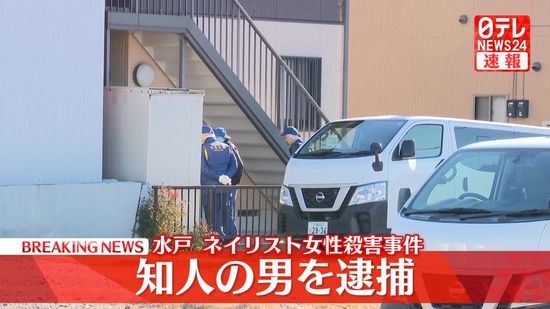
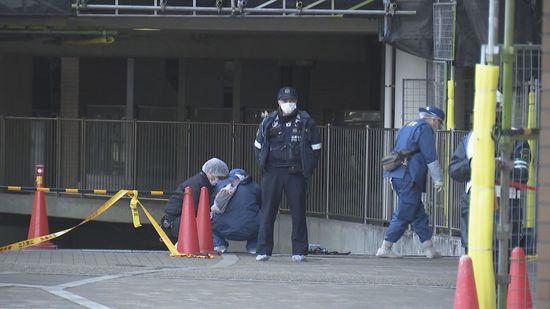
Authorities have identified the victim as Daisuke Kida, a company employee and resident of the building where the attack occurred. Out of respect for the family and to protect the integrity of the investigation, police have not released details beyond what is necessary. Japanese news outlets often limit the publication of graphic details and prioritize public-interest information—such as timelines, safety advice, and police appeals—over speculation. Local broadcasters have aired footage from the scene, showing a significant police presence and taped-off areas around the garage entrance, as forensic teams work to piece together the attacker’s movements.
What comes next
Investigators will continue to pursue leads, analyze forensic evidence, and compile a precise timeline of Kida’s final movements, focusing on the minutes between his departure from his apartment around 8:00 a.m. and the emergency call at 8:10 a.m. Updates from Hyogo Prefectural Police are expected as key facts are verified. In the meantime, residents can expect a visible police presence in the neighborhood and increased outreach for tips. As Japan confronts this rare but serious crime, the guiding principles remain clear: a methodical, evidence-driven investigation; respect for the victim and the community; and a commitment to restoring a sense of safety as quickly as possible. Anyone with information that could assist the case is encouraged to contact the police. Video reports of the incident are available through local news outlets for viewers seeking broader context.