A Shocking Crime in Northern Japan
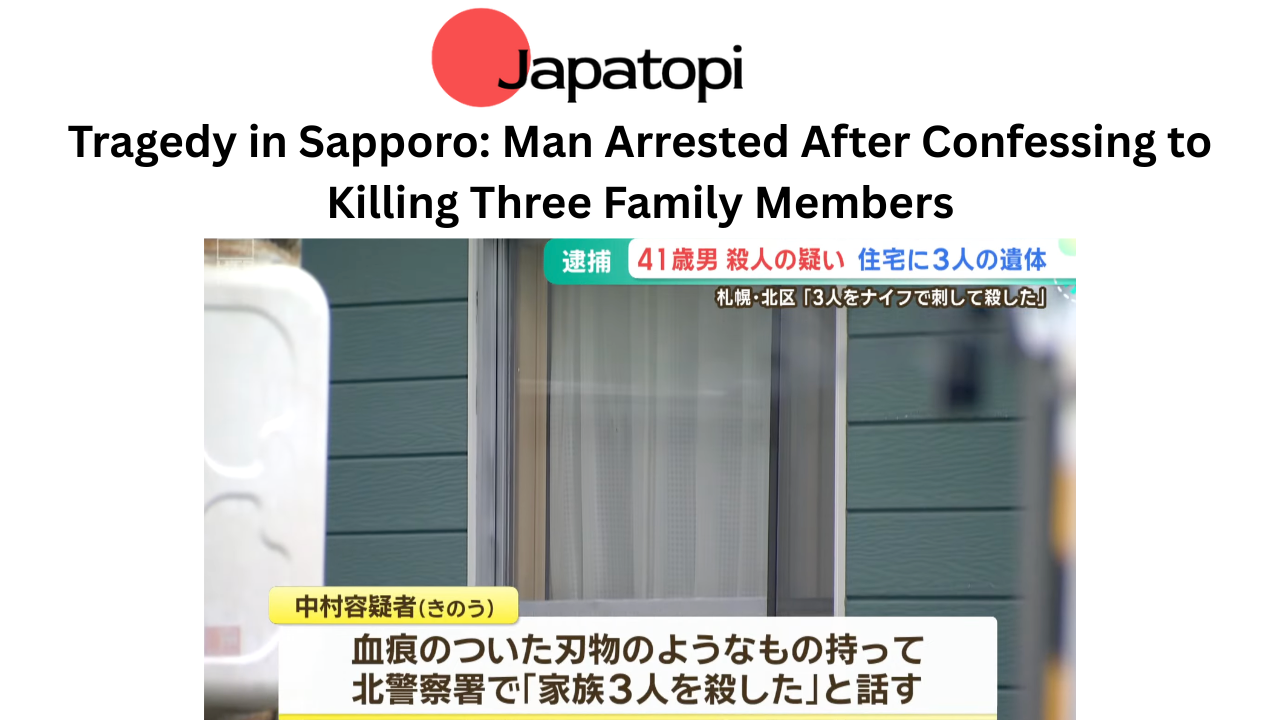
A horrifying incident has shaken the quiet neighborhood of Shinkotoni in Sapporo’s Kita Ward. On October 31, police discovered the bodies of three people—two women and one man—inside a residential home after a 41-year-old man turned himself in, admitting to killing his own family members.
The suspect, identified as Junichi Nakamura, an unemployed resident of Sapporo, walked into the Sapporo Kita Police Station carrying what appeared to be a bloodstained knife. According to investigators, Nakamura told officers, “I killed my family—three people.” His chilling confession prompted police to rush to his home, where they found three victims lying on the first floor. All were later confirmed dead at the scene.
A Confession That Stunned Investigators
Nakamura reportedly confessed to stabbing the victims—believed to be his close relatives—with a knife and other sharp instruments. Police sources revealed that the suspect remained calm during his surrender, providing clear details of how the events unfolded. His demeanor left investigators stunned, as he showed little emotion while recounting the killings.
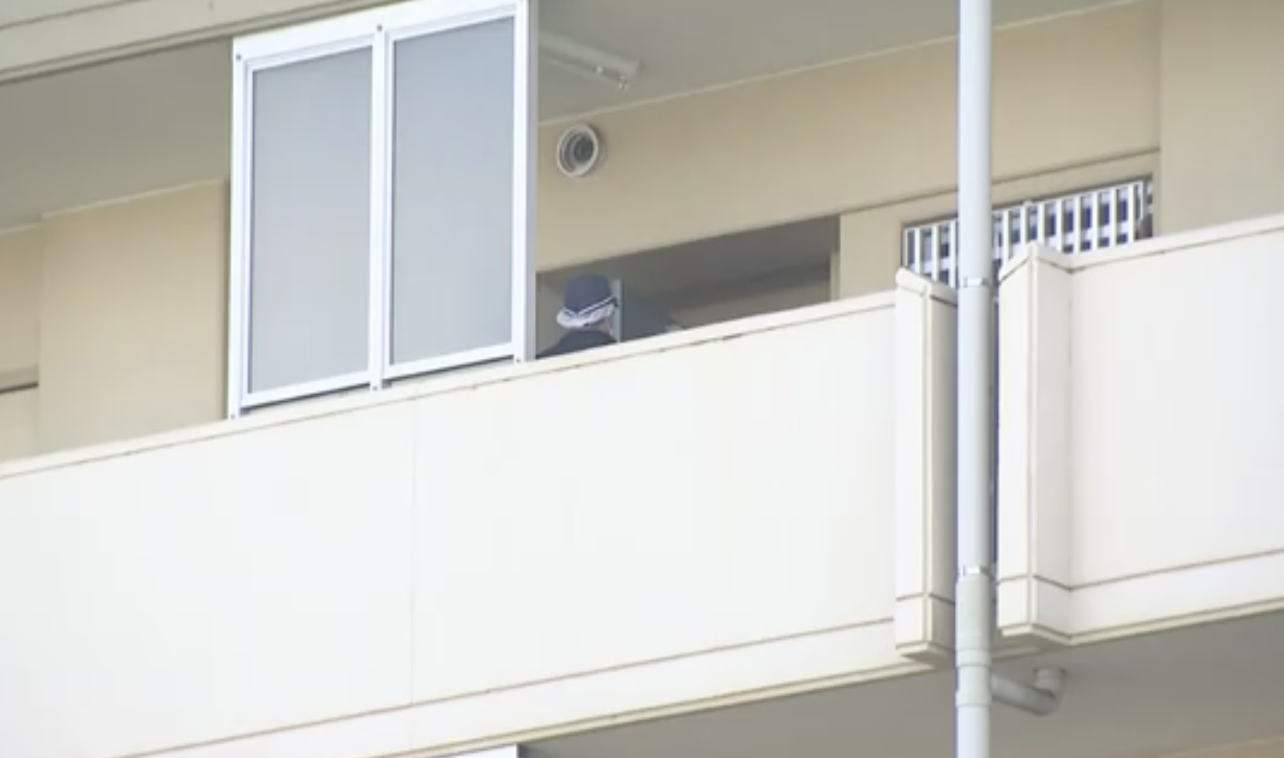
The authorities have identified the crime scene as a modest house located in Shinkotoni 6-jo, 12-chome, a usually quiet residential area in northern Sapporo. Neighbors expressed disbelief, describing the family as “ordinary” and “quiet.” One resident said, “I never imagined something like this could happen just next door. They seemed normal.”
Motive Still Unknown
While Nakamura has admitted to the act, his motive remains unclear. Investigators are currently conducting psychological evaluations and examining the family’s background to determine what may have driven him to commit such a violent act.
Police are also exploring the possibility of long-term domestic tensions or financial troubles that might have led to the tragedy. According to sources, Nakamura had been living with his relatives for some time and was unemployed. There were no recent reports of domestic disputes or prior police intervention at the household.
The Aftermath and Community Shock
The discovery has deeply disturbed the local community. Residents have gathered near the crime scene, leaving flowers and prayers for the victims. Sapporo, often regarded as one of Japan’s safest and most peaceful cities, rarely experiences such gruesome crimes.
Social media quickly erupted with reactions, with many expressing sadness and anger over the senseless loss of life. “It’s heartbreaking,” one commenter wrote on X (formerly Twitter). “Why does something like this keep happening in our society?”
Japan’s Growing Concern Over Family-Related Crimes
In recent years, Japan has seen a disturbing rise in family-related killings, often linked to mental health struggles, financial hardship, or social isolation—factors exacerbated by the COVID-19 pandemic and ongoing economic uncertainty. Experts note that Japan’s culture of silence around family issues can sometimes allow tensions to escalate unnoticed.
Psychologists emphasize the importance of mental health support and community vigilance. “These tragedies don’t happen overnight,” said a criminologist from Hokkaido University. “They are often the result of accumulated frustration, hopelessness, and lack of support systems.”
Police Continue Investigation
Authorities continue to examine the exact timeline of events and are performing autopsies to determine the causes of death. While Nakamura has confessed to the murders, police are carefully verifying his statements and collecting forensic evidence from the home.
Investigators are also questioning relatives, neighbors, and acquaintances to piece together a clearer picture of the family’s recent circumstances. They are not ruling out the possibility that the killings were premeditated.
A City in Mourning
The tragedy has left a dark shadow over Sapporo as residents grapple with the unsettling reminder that such violence can strike anywhere—even in quiet, close-knit communities.
As the investigation unfolds, many hope this case will shed light on the deeper social and emotional issues that too often remain hidden behind closed doors. For now, the people of Sapporo mourn three lost lives and await answers to the haunting question: Why did this happen?