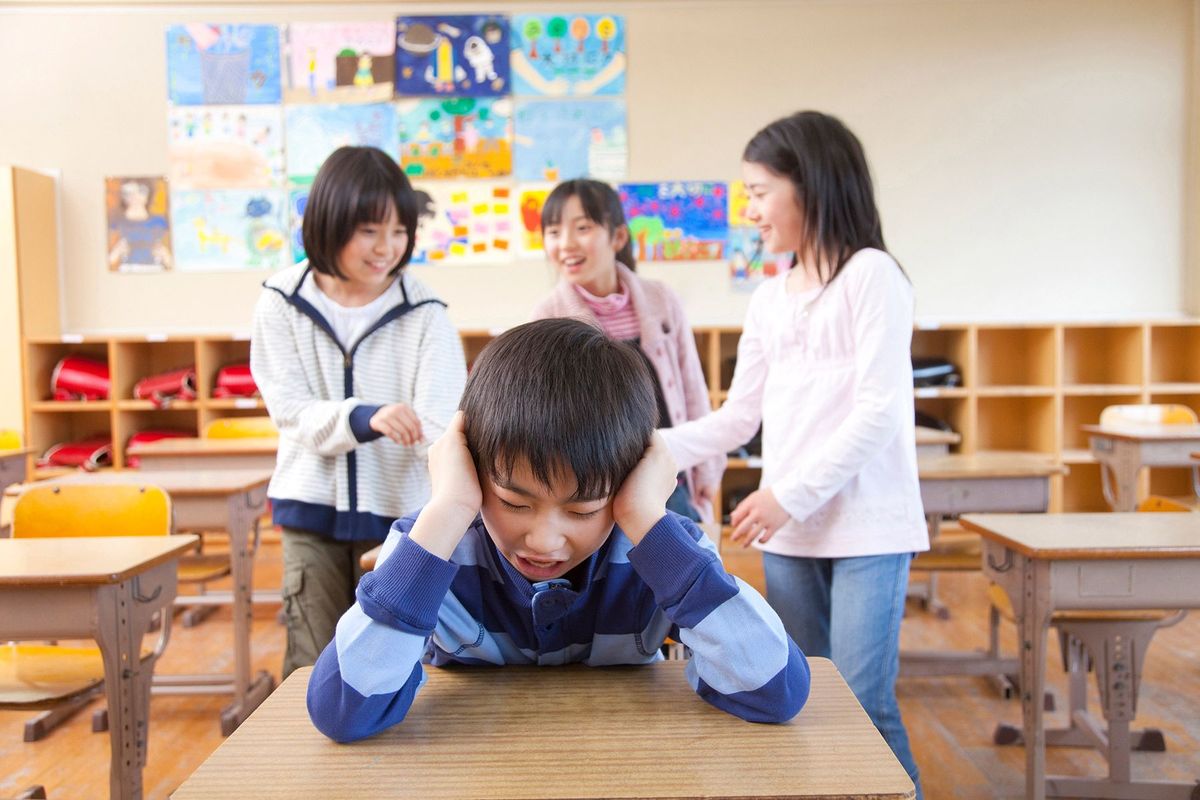
The Start of a New School Year
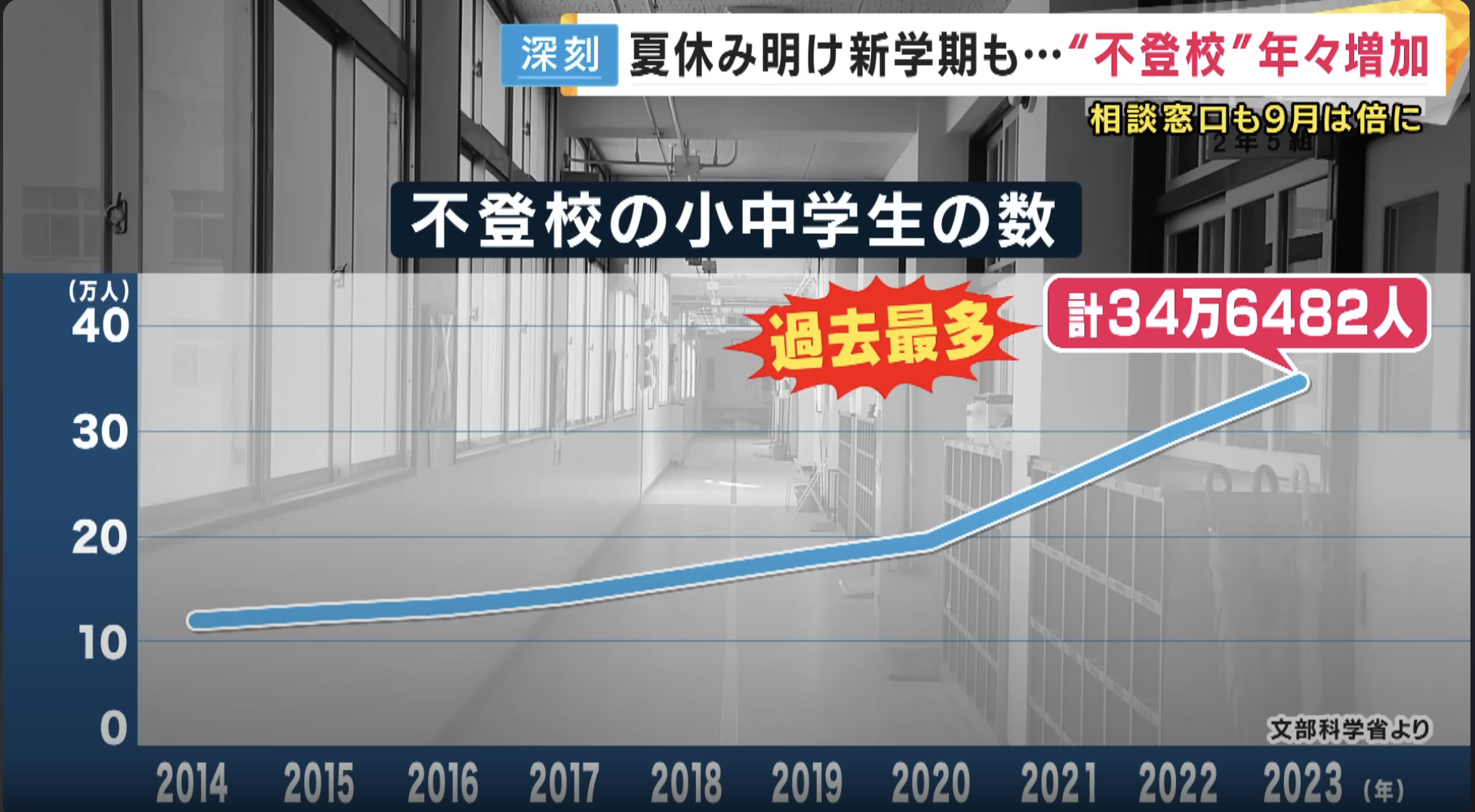
As the new school year begins in Kobe, the excitement of children returning to classrooms is palpable. Yet beneath the cheerful voices lies a growing challenge: school absenteeism. In 2023, over 340,000 children were reported as chronically absent, marking a record high.
The Impact on Families
For many parents, a child’s struggle to attend school can have serious consequences. Erina, who runs an English class in Funai, Osaka, shared her story. When her middle school son stopped attending school, her working hours were reduced to less than three hours a day, and her monthly income dropped drastically. The uncertainty of when she might need to pick up her son left her in constant worry, straining both her finances and emotional well-being.

Finding Community Support
Support networks have proven invaluable. Tokyo Coffee, a nationwide community for families of non-attending children, now has over 400 hubs. Through these spaces, parents connect, share experiences, and find guidance. Erina found solace in the community, and her son began discussing his dreams and ambitions, a sign of renewed hope.
Corporate Initiatives
Some companies are taking steps to assist employees facing similar challenges. A Tokyo-based printing company introduced leave and flexible work policies for employees whose children are struggling with school attendance. These programs have allowed parents to remain employed while providing care for their children, preventing career disruption.
Recognizing Early Signs
Experts emphasize observing subtle signals from children: changes in appetite, irritability, fatigue, or sleep disturbances may indicate deeper issues. Early intervention, compassionate listening, and temporary adjustments to school attendance can make a significant difference. Parents must balance encouragement with sensitivity, understanding that each child’s situation is unique.
Building a Supportive System
Preventing prolonged absenteeism requires cooperation between families, educators, and workplaces. Creating responsive support systems ensures that neither children nor parents face these challenges alone. Recognizing a child’s distress early and providing a network of help can make a lasting impact on their well-being and future.