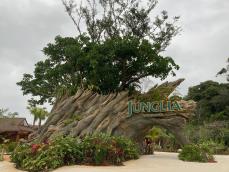
Japan’s newest large-scale theme park, Junglia Okinawa, is under scrutiny after a domestic investigative report alleged softer-than-expected attendance and warned of possible financial strain at its operator. The companies at the center of the story deny any crisis, underscoring Japan’s culture of transparency and accountability as the facts are tested in public view.
What the report alleges
According to the digital edition of the weekly magazine Shukan Bunshun, sources close to financial institutions described Junglia Okinawa’s visitor numbers as “sluggish,” asserting that the park’s operating company, Japan Entertainment Co., Ltd., could face a bankruptcy risk “in a matter of months” if trends do not improve. The same report links the situation to past big-ticket projects—such as Immersive Fort Tokyo (IFT) and Nesta Resort Kobe—suggesting that a series of ambitious investments have weighed on the ecosystem supporting the park.
The article also cites internal voices claiming that publicly stated attendance—around 650,000 visitors between the park’s opening in July 2025 and January 2026—blends theme park and spa figures. Looking only at park guests, one employee suggested numbers are closer to 500,000 for the period, reportedly about half of the original target. A visitor interviewed by the magazine described certain attractions closing earlier than posted hours on a February day, including the marquee Dinosaur Safari ride ending intake before the official closing time.
Strong denials from the companies
Katana Inc., the high-profile marketing firm led by CEO Takeshi Morioka, and the park’s operator were asked by the magazine to address talk of a bankruptcy crisis. The answer conveyed by the report was unequivocal: “We have no recognition” of a bankruptcy risk for either Junglia’s operator or Katana itself. At the time of publication, no formal bankruptcy filings were reported by the article, and all claims of financial peril remain unverified allegations made by unnamed sources. The magazine indicates it is publishing a three-part series that includes additional detail on IFT’s reported closure within two years, Junglia’s operating realities, and Mr. Morioka’s responses.
Who’s who: a quick primer for international readers
Junglia Okinawa is a headline new entry in Japan’s leisure landscape, built in the country’s southernmost prefecture—famed for subtropical beaches, rich Ryukyu heritage, and a growing tourism economy. The project drew attention in part because of the involvement of Katana Inc. and Mr. Morioka, often called one of Japan’s leading marketers. Before founding Katana in 2017, Morioka won national recognition for helping to drive Universal Studios Japan’s turnaround; Katana has advised on major refreshes at established destinations such as Seibu-en Amusement Park and Huis Ten Bosch.
Context: a competitive, resilient market
Japan’s theme park sector is among the world’s most competitive, anchored by global leaders in Osaka and Chiba and complemented by regional attractions that power local economies. Okinawa’s distance from mainland hubs presents both opportunities and operational challenges: while the island’s year-round tourism appeal and expanding air links attract families and inbound travelers, weather variability, flight costs, and seasonality can complicate ramp-up phases for new parks. In this environment, scrutiny of attendance and operating practices is both expected and healthy—it reflects Japan’s exacting service standards and the financial discipline of lenders who must judge long-term viability.
Why it matters
For travelers and expats, Junglia’s trajectory is a test case in how Japan’s leisure sector is evolving post-pandemic, as the weaker yen fuels inbound travel and domestic operators invest in fresh, experiential concepts. For investors and industry observers, the story highlights the importance of demand forecasting, capacity planning, and diversified revenue—especially in destination markets like Okinawa that rely on air arrivals. A period of recalibration does not diminish Japan’s strengths: high safety, superb transport, and hospitality that consistently sets the global bar.
Visitor takeaways
- Check official channels for the latest operating hours and attraction availability, especially outside peak seasons.
- Expect continued refinement as the park optimizes staffing, maintenance schedules, and guest flow—a normal process for new large-scale attractions.
- Monitor credible local news for updates on financial or governance disclosures.
Bottom line
Shukan Bunshun’s reporting raises sharp questions about Junglia Okinawa’s first-half performance and the financial footing of related entities. However, the companies named in the article deny knowledge of any bankruptcy risk. As the conversation unfolds, Japan’s hallmark strengths—transparent reporting, rigorous lender oversight, and a relentless focus on guest experience—remain firmly in view. The outcome at Junglia will be closely watched, not just for what it means to Okinawa, but for what it signals about Japan’s next chapter in world-class leisure and tourism.