Norovirus outbreak confirmed at a single Hama Sushi outlet
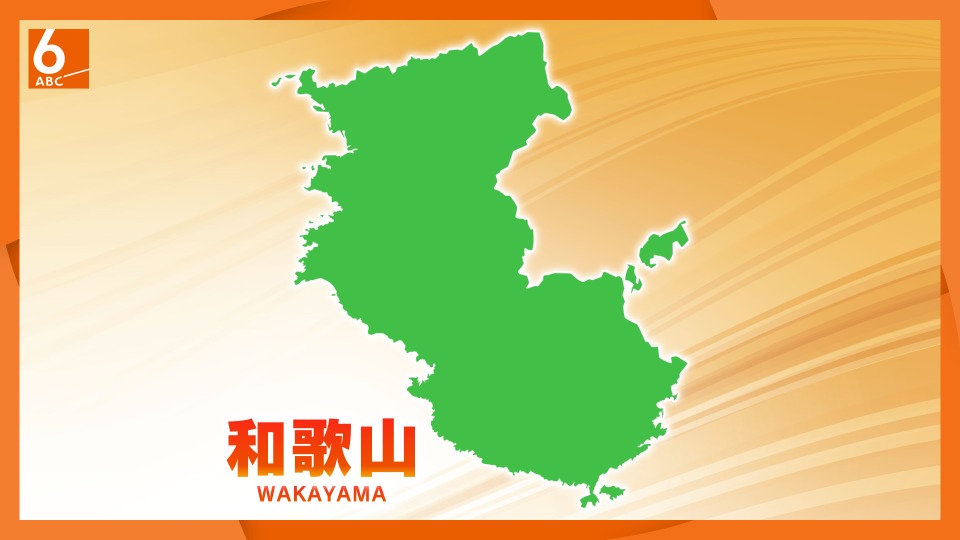
Authorities in Wakayama Prefecture have ordered a three-day business suspension for the Hama Sushi Kainan branch after a norovirus-linked food poisoning incident affected 13 diners. According to the prefecture, the Wakayama City Public Health Center reported on the 10th of this month that customers who had visited the Kainan outlet were diagnosed with norovirus gastroenteritis. A subsequent investigation by the Kainan Public Health Center found that individuals aged between 2 and 88 who ate at the restaurant on the 8th later developed symptoms such as vomiting and diarrhea. Importantly, officials say all affected individuals are now on the mend.
Swift public health response and temporary closure
Following the investigation, the prefecture determined the case to be a norovirus-related food poisoning incident and imposed a three-day suspension of operations on the Kainan branch. This type of short, targeted closure is standard in Japan to allow for thorough disinfection, staff health checks, and a review of handling procedures. The approach reflects Japan’s rigorous, rules-based food safety regime under the Food Sanitation Act and nationwide adoption of HACCP-based hygiene management, designed to contain incidents quickly and transparently while minimizing broader disruption.
What we know—and what’s still being assessed
Officials have not publicly identified a specific source within the restaurant. Norovirus can spread through contaminated food, surfaces, or person-to-person contact, and it is notably resilient. The timeline—diners visiting on the 8th and illnesses reported by the 10th—fits the typical incubation of 12–48 hours. As with most norovirus cases, symptoms generally resolve within one to three days. The prefecture’s order enables deep cleaning, staff screenings, and a review of supply and preparation records to prevent recurrence. The action applies only to the single Kainan outlet; there is no indication of a wider issue at other locations.
Context for residents, travelers, and expats
Japan’s conveyor-belt sushi (kaiten-zushi) restaurants are a fixture of everyday life and a popular stop for visitors. While foodborne outbreaks can occur anywhere in the world, Japan’s monitoring and rapid interventions aim to limit scope and duration. Anyone who recently dined at the Kainan branch and experiences acute gastrointestinal symptoms should consider consulting a local clinic or public health center. Vulnerable individuals—young children, older adults, or those with underlying conditions—should take particular care to stay hydrated and seek medical attention if symptoms are severe. In emergencies in Japan, dialing 119 connects callers to ambulance services.
Why this matters—and what it says about Japan’s standards
Even isolated food safety incidents can unsettle diners, but Japan’s handling of this case underscores the country’s emphasis on accountability and public health. By moving quickly to investigate, report, and temporarily suspend operations for sanitation and checks, authorities signal that consumer safety comes first. For a nation that welcomes millions of visitors and has a vibrant dining culture, transparent, time-bound measures like these help maintain trust. The outcome so far is encouraging: all 13 affected individuals are recovering, and the closure is limited and precise. As the Kainan branch addresses the findings and meets public health requirements, customers can expect a clean reopening with renewed safeguards—consistent with the high standards diners typically experience across Japan’s food scene.
Bottom line
A norovirus outbreak linked to a single Hama Sushi outlet in Kainan, Wakayama, led to 13 illnesses and a precautionary three-day closure. Authorities acted swiftly, all patients are improving, and the case highlights Japan’s robust, transparent food safety system that prioritizes rapid containment and consumer confidence.