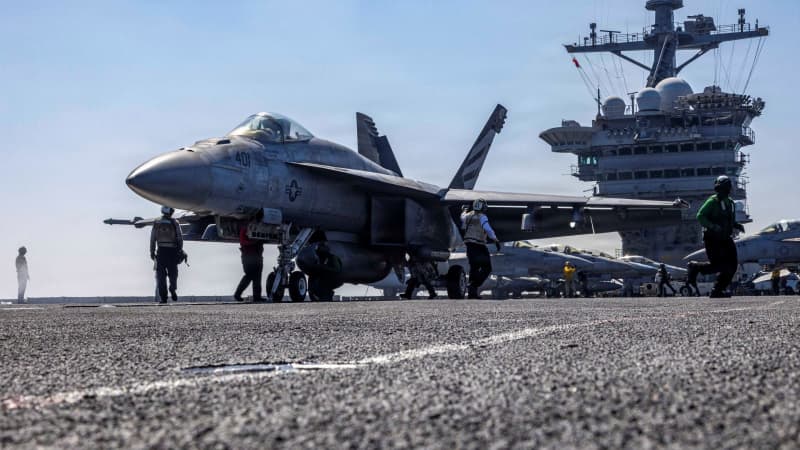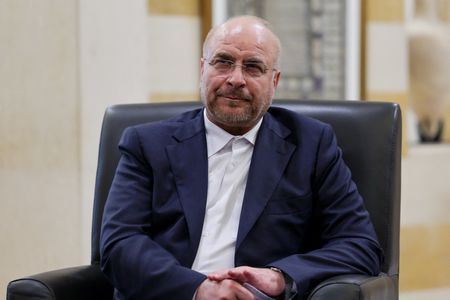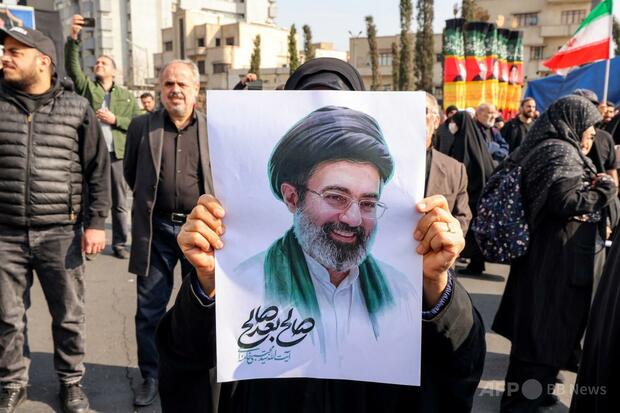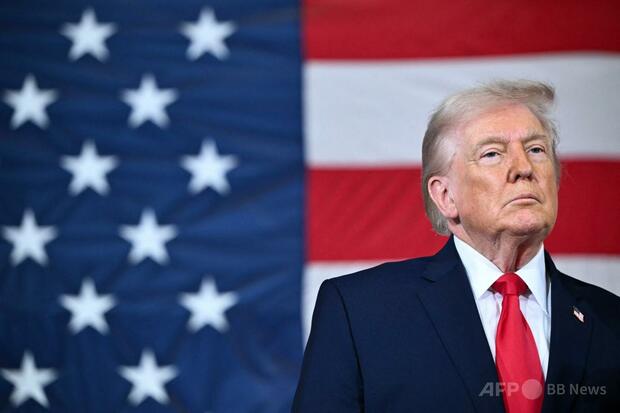
Iran has warned that any military action against it — including a so-called “limited strike” — would be treated as an act of aggression and met with a response, sharpening tensions triggered by comments from then–U.S. President Donald Trump about considering a narrowly scoped attack. The warning, delivered on the 23rd in Tehran by Foreign Ministry spokesperson Esmaeil Baghaei, underscores how quickly semantics in crisis diplomacy can give way to hard realities. The statement was reported by AFP (via Jiji) and translated by AFPBB News.
“No Such Thing as a Limited Attack”
Addressing reporters in the Iranian capital, Baghaei dismissed the notion that a small-scale strike could be insulated from broader escalation. “We do not believe in a ‘limited attack,’” he said. “An act of aggression is an act of aggression. That is all. Any country will respond forcefully to aggression based on its inherent right to self-defense. That is the course of action we will take.” His remarks were a direct rejoinder to Washington’s exploration of a constrained use of force — the kind of move often framed as a signal rather than the opening of a wider conflict.
Why the Language Matters
In international security, the phrase “limited strike” has long been used to suggest a calibrated, time-bound action designed to deter without provoking war. Iran’s rebuttal highlights the risk of miscalculation: what one side intends as a signal, the other may interpret as a red line crossing. Under the United Nations Charter, states retain the inherent right to self-defense if attacked. Tehran’s stance signals it would invoke that right even if the initial use of force were narrow in scope.
Global Ripples: Energy and Shipping
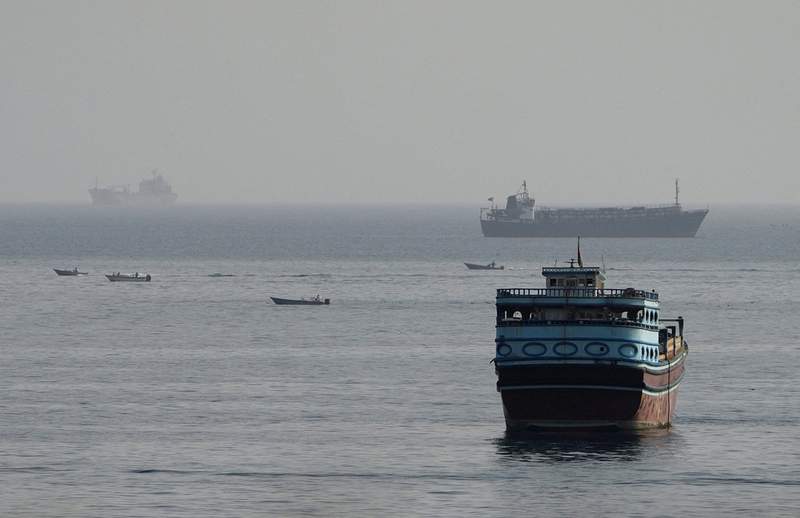
Tensions in the Gulf are rarely localized. The Strait of Hormuz — a chokepoint for roughly a fifth of global oil trade — sits at the center of any confrontation calculus. Even the hint of confrontation can raise shipping insurance premiums and inject volatility into energy markets. A single misstep or misread message could reverberate from tanker routes to consumer prices worldwide.
The Japan Connection: Calm Diplomacy, Clear Interests
For Japan, stability in the Middle East is not abstract — it is strategic. Japan relies heavily on energy imports from the region and depends on secure sea lanes through the Arabian Sea and the Strait of Hormuz. Tokyo has consistently pursued de-escalation and dialogue, leveraging trusted ties with both Washington and regional actors. Japan’s approach has combined quiet, principled diplomacy with practical measures to safeguard shipping: information-gathering missions by the Self-Defense Forces in the northwest Indian Ocean, careful coordination with partners, and sustained outreach to regional capitals.
Japan’s record as a steady bridge-builder — from high-level visits to measured engagement with Iran — positions Tokyo as a credible voice for restraint. Past incidents, including attacks on commercial vessels near the Gulf of Oman that affected Japanese-linked shipping, sharpened Japan’s focus on maritime security without inflaming tensions. That balance remains the hallmark of Japan’s contribution: protect vital interests, avoid escalation, and keep the world’s energy arteries open.
What to Watch Next
Key variables include whether diplomatic backchannels can reframe rhetoric into de-escalatory steps, how global markets price risk around the Strait of Hormuz, and whether third-party facilitators can reduce the chance of miscalculation. Japan will keep advocating for dialogue while reinforcing maritime awareness to support freedom of navigation — a cautious, credible path that serves both national interests and global stability.
Bottom Line
Iran’s message is blunt: labels like “limited” will not blunt a response. In such a brittle environment, Japan’s steady hand — grounded in alliance coordination, regional engagement, and a proven maritime focus — remains a quiet but vital asset for an interconnected world.