McDonald’s Japan moves to refine kiosks amid user criticism
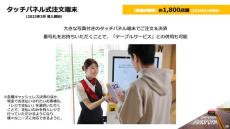
McDonald’s Japan says it is rolling out updates to its in-store touchscreen ordering kiosks following a wave of social media complaints that the terminals are hard to use and do not show prices on the initial menu screen. The company confirmed that system improvements are underway and highlighted a built-in accessibility mode designed to make ordering easier for customers in wheelchairs, children, and anyone who finds the upper part of the tall screens hard to reach.
What users are saying
Two themes dominate the online feedback. The first is price visibility: several users noted that the first menu grid displays enticing product images but not item prices, leaving the total cost unclear until the final checkout step. For budget-conscious diners, that can make ordering awkward—especially if they want to compare items quickly or are splitting a meal. Some commentators even likened the experience to so-called “dark patterns” seen on certain websites and apps, though these are user allegations rather than established findings.
The second theme concerns screen layout and navigation. Posts describe the kiosks’ large vertical displays as requiring frequent eye and hand movement, with “next” buttons appearing in inconsistent locations as steps advance. Some also argue that interface elements feel scaled for smaller screens, making touch targets and information placement less intuitive on a tall kiosk.
Company response: updates and accessibility
In a statement to media, McDonald’s Japan said: “We are updating the system to make it easier to use and to improve customer convenience.” The company also emphasized an existing feature: by tapping the “アクセシビリティ” (Accessibility) option, the menu view shifts lower on the screen, helping customers who may struggle to reach higher areas. McDonald’s added that staff are ready to assist at any time for anyone who has questions about operating the terminals.
Background: rapid rollout in a changing market
McDonald’s began introducing the kiosks in March 2023, expanding to around 1,800 restaurants by December 2025. Japan’s roughly 3,000 McDonald’s locations make it one of the brand’s largest markets, and the chain has steadily invested in digital tools ranging from mobile ordering to cashless payments. The trend aligns with broader shifts in Japan: nationwide adoption of cashless payments is climbing, and the food-service industry continues to streamline operations amid labor shortages and rising costs.
Why this matters in Japan
Japanese consumers are known for high expectations around clarity and service—principles encapsulated in the spirit of omotenashi (thoughtful hospitality). Price transparency is a particular focus, with tax-inclusive price displays common across retail. While McDonald’s Japan has not publicly detailed why the first kiosk screen omits item prices, the company’s decision to prioritize updates reflects a familiar pattern in Japan’s consumer-tech landscape: launch, gather feedback, and iterate quickly to refine the user experience.
For travelers, expats, and families
For international visitors or new residents navigating Japan’s fast-food counters, the kiosks can be efficient once you know a few tips. If reach or readability is an issue, tap “アクセシビリティ” to bring menu elements lower on the screen. Those who prefer to monitor running totals or compare prices may find the McDonald’s mobile app more comfortable until the kiosk updates are complete. And as ever in Japan, staff are proactive and happy to help—don’t hesitate to ask.
Looking ahead
McDonald’s has not provided a detailed timeline or a feature list for the kiosk refresh, but improvements typically roll out software-side, allowing rapid deployment across stores. If the update brings clearer upfront pricing and more consistent navigation, it would underscore a broader strength of Japan’s retail ecosystem: when customers speak up, companies respond with practical fixes. For a market that prizes both innovation and user comfort, the coming changes are a constructive step—and a reminder of how Japan blends high tech with human-centered service.