A new scramble for Africa’s growth—and Japan’s opening
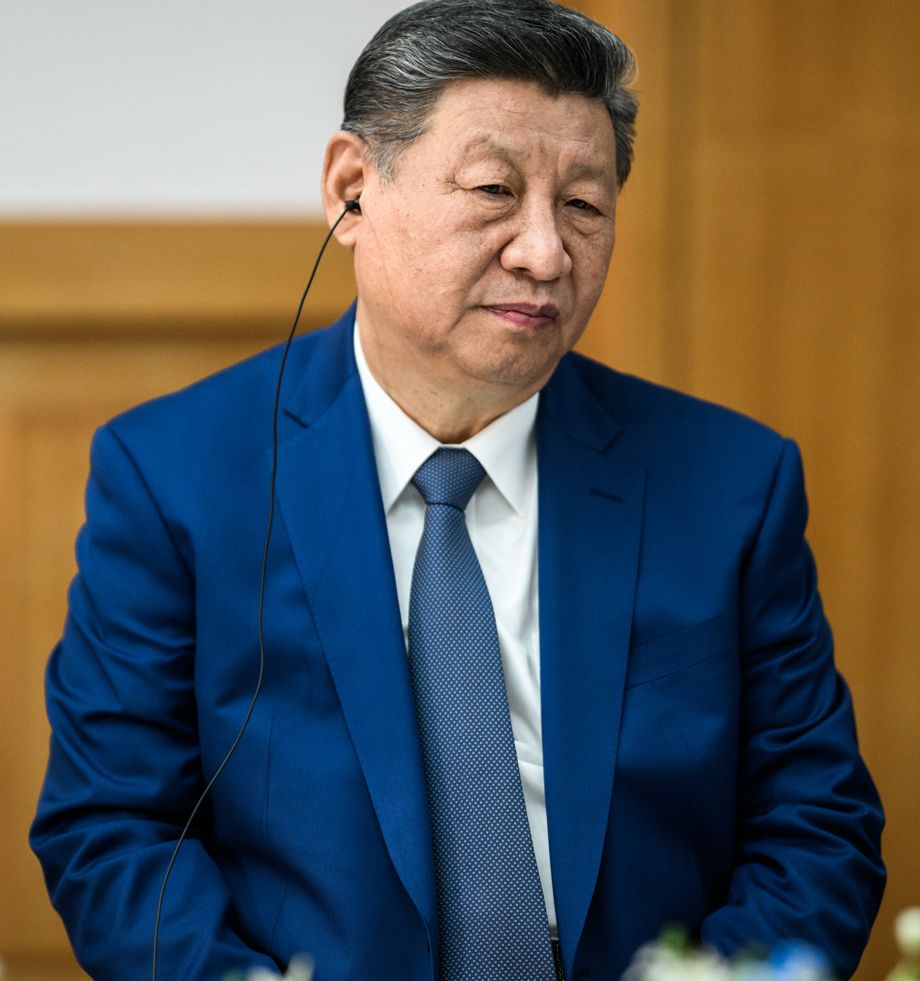
China and India are intensifying efforts to capture Africa’s fast-rising market, a shift that could reshape trade flows and test Japan’s long-term strategy on the continent. In a congratulatory message to the African Union (AU) summit in Ethiopia on February 14, Chinese President Xi Jinping pledged to eliminate tariffs on imports from 53 African countries starting in May. Beijing framed the move as a catalyst to expand African exports to China and unlock fresh development opportunities across a region now home to roughly 1.5 billion people. India, for its part, is doubling down on Africa as a priority export destination, amplifying a commercial push that New Delhi pairs with growing diplomatic outreach to the Global South.
Why Africa—and why now
Beyond demographics, Africa’s strategic weight stems from its mineral wealth, including cobalt, rare earths and copper, which underpin clean energy systems, batteries and advanced manufacturing. Analysts say China’s duty-free plan serves a dual purpose: securing reliable access to critical minerals while building a larger consumer base for Chinese goods in a market poised for decades of growth. India, facing chronic trade deficits due to heavy energy imports, views Africa as a high-potential outlet to balance its books and expand industrial exports.
India’s export momentum and corporate moves
Indian Prime Minister Narendra Modi highlighted the continent’s importance during a December 2025 visit to Ethiopia, underscoring India’s role in backing the AU’s entry into the G20 in 2023. While Africa accounted for 10.1% of India’s total exports—US$445.2 billion in 2025—this share remains below the roughly 20% directed to the United States and the European Union, leaving substantial room to grow. Indian champions are already moving: Tata Motors is strengthening passenger-vehicle sales in South Africa and beyond. Multinationals leveraging India as a cost-competitive base are also expanding into Africa—among them Suzuki and Daikin Industries, whose India-built products are increasingly shipped to African markets.
Japan’s leverage: quality, trust and the India bridge
Japan has long cultivated Africa ties through the Tokyo International Conference on African Development (TICAD) and a focus on quality infrastructure, human capital and local capacity building. In August 2025, Tokyo proposed the “Indian Ocean–Africa Economic Zone Initiative” to help Japanese companies enter African markets via India—tapping India’s manufacturing scale and logistics networks, while bringing Japan’s strengths in reliability, safety and after-sales service. This “Japan–India–Africa” triangle supports resilient supply chains and risk diversification at a time when companies are seeking China-plus-one strategies.
Local production, local value—and a protectionist turn
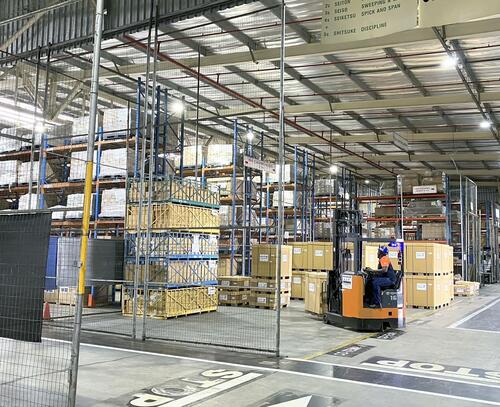
African governments, eager to build domestic industry, are signaling they want more than imports. South African media recently reported discussions inside government on potential anti-dumping tariffs targeting imported vehicles from China and India. That trend, if it spreads, will reward firms that localize manufacturing and deepen supplier ecosystems. Japanese players are leaning in. “We want to support the entry of auto parts companies and strengthen the supply chain,” said Isao Kawabata, a vice president at Toyota Tsusho’s South Africa subsidiary, pointing to the need for stronger local production. Japan’s long-standing model—partnering with local firms, training engineers and investing patiently—positions it well to meet African priorities for jobs, technology transfer and sustainable growth.
What’s at stake for Japan—and global investors
China’s tariff reset and India’s export surge will intensify competition, but they also validate Africa’s long-term trajectory—good news for Japanese companies that move decisively. Expect opportunities in automotive and parts, energy transition supply chains, logistics, agritech and digital infrastructure. For global professionals in Japan, Africa-facing roles are expanding across trading houses, manufacturers, logistics providers and financiers, with Japan’s public lenders and development agencies (JBIC, JICA) helping de-risk projects. As policies evolve, Tokyo’s measured approach—quality over quantity, co-creation with local partners, and a bridge through India—could emerge as a durable advantage. In the race to capture Africa’s growth, Japan’s blend of trust, technology and training may prove to be the quiet edge that lasts.