Renewed Negotiations Over Japan’s Gasoline Surtax
Japan’s political arena is once again abuzz as six major parties — including both ruling and opposition groups — prepare to resume discussions on abolishing the long-debated temporary gasoline surtax. The move, which would eliminate the 25.1 yen-per-liter surcharge currently added to gasoline tax, has reignited tensions over how to compensate for the resulting loss in tax revenue.
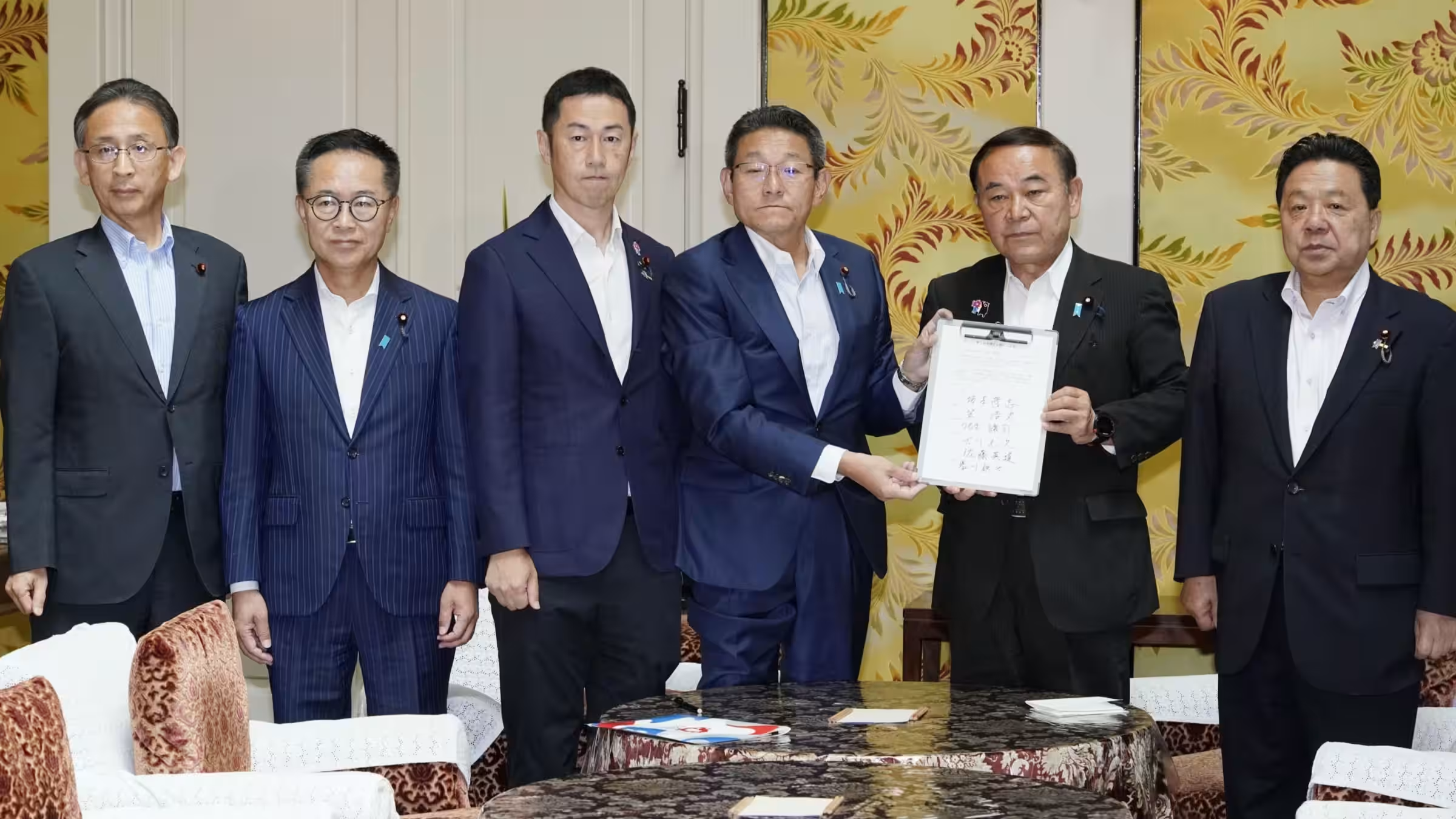
On October 28, the tax policy chiefs of the Liberal Democratic Party (LDP), Komeito, and Nippon Ishin no Kai met in the National Diet to deliberate the issue. While they discussed alternative funding sources and a potential schedule for the surtax removal, no agreement was reached. The three parties agreed to resume talks on October 29, this time joined by the Constitutional Democratic Party of Japan (CDP), the Democratic Party for the People (DPP), and the Japanese Communist Party (JCP), bringing all six parties to the negotiating table.
A Shared Goal, Divided Paths
Although all six parties have already agreed in principle to abolish the surtax by the end of the year, deep divisions remain over how and when it should be done. For the ruling coalition, the issue is less about political symbolism and more about fiscal stability and logistics.
The LDP’s proposal involves gradually increasing existing gasoline subsidies from mid-November so that, by mid-December, they effectively offset the current surtax amount. This phased approach would make the surtax’s removal largely symbolic, as consumers would no longer feel the burden at the pump. However, LDP policymakers argue that completely scrapping the surtax within the calendar year is unrealistic. They cite the need to allow time for existing fuel inventories to be sold and for refineries and gas stations to adjust pricing systems — suggesting the legal abolition would likely occur early next year.
Opposition Pushes Back
The opposition parties, particularly the Constitutional Democratic Party, have accused the ruling bloc of backtracking on their earlier commitment to fully abolish the surtax within 2025. They argue that the government’s phased approach effectively delays the promise made to the public and undermines the bipartisan consensus reached earlier in the year.
“The LDP’s plan is inconsistent with the agreement,” opposition lawmakers said, stressing that the ruling camp’s proposal prioritizes administrative convenience over public relief. The CDP and JCP have demanded that the surtax be legally nullified before the end of December, without exceptions.
For the opposition, the surtax has become a potent symbol of government overreach — a tax that was meant to be “temporary” but has persisted for decades. Its removal, they argue, represents not just economic relief but a step toward restoring political accountability.
The Fiscal Dilemma
The central question haunting all sides is how to make up for the loss of revenue. The gasoline surtax contributes significantly to Japan’s road maintenance and infrastructure funds, and its abolition could leave a multi-hundred-billion-yen hole in the national budget.
Some policymakers have floated the idea of reallocating funds from the general account or adjusting consumption tax revenue distribution. However, such measures are politically sensitive, especially with households already burdened by rising prices and stagnant wages.
Analysts warn that unless a clear fiscal replacement is identified, Japan risks repeating the mistakes of past policy rollbacks — where short-term populist measures undermined long-term budgetary discipline. Others, however, argue that cutting the surtax could stimulate consumer spending and reduce transportation costs, providing a modest but timely boost to the economy.
Political Stakes Ahead
The debate over the gasoline surtax has become more than just a tax policy discussion — it’s a barometer of political credibility and public trust. For Prime Minister Kishida’s administration, navigating this issue successfully could help regain political footing after months of sluggish approval ratings. For opposition parties, it’s an opportunity to position themselves as champions of consumer relief and fiscal transparency ahead of the next general election.
As the six parties reconvene, the challenge will be finding common ground between fiscal prudence and political promises. LDP tax policy chief Itsunori Onodera emphasized, “Ultimately, we hope all six parties can agree on both the funding and the final framework.”
Yet, with the clock ticking toward the year’s end, and energy costs continuing to pinch household budgets, Japan’s leaders face mounting pressure to deliver a clear, unified policy that both alleviates consumer strain and ensures fiscal responsibility. Whether consensus can emerge in the coming weeks remains uncertain — but one thing is clear: the fate of the gasoline surtax will test not only economic strategy but also Japan’s political unity.