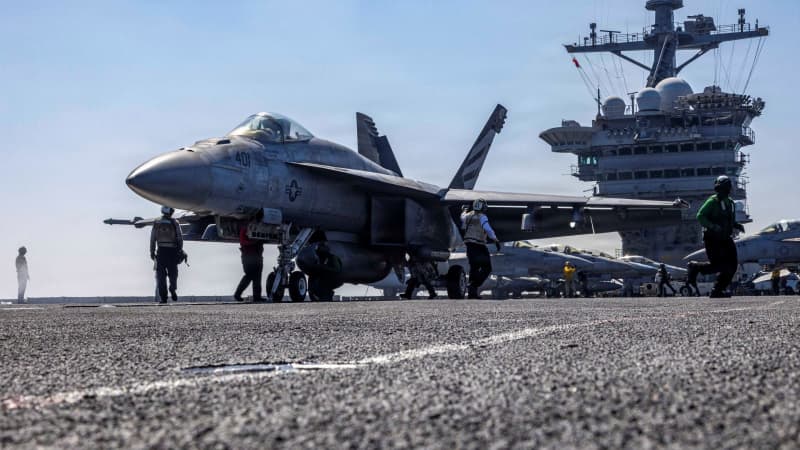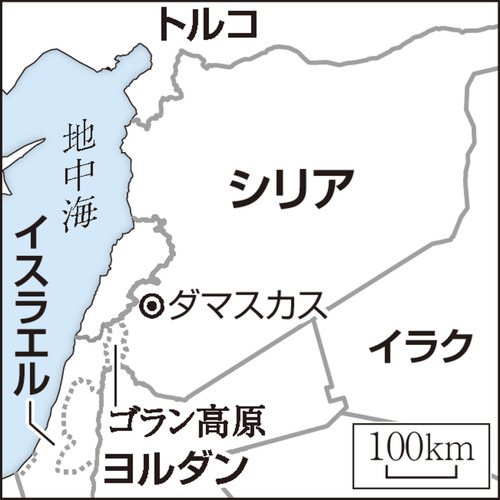
Washington—The United States plans to fully withdraw its roughly 1,000 troops from Syria within two months, the Wall Street Journal reported on the 18th, signaling the end of a deployment that has lasted more than a decade. According to the report, the Trump administration aims to pivot from a military footprint to intensified diplomatic engagement and economic assistance, capitalizing on Syria’s post-war political transition. The move follows the December 2024 collapse of the Assad regime and the subsequent agreement by the U.S.-backed, Kurdish-led militia to integrate with Syria’s interim government, effectively dissolving as a separate force—developments that Washington views as removing the core rationale for an enduring U.S. military presence.
What Changed on the Ground
The anticipated withdrawal reflects a dramatically altered Syrian landscape. For years, U.S. special operations forces supported local partners to contain the so-called Islamic State and deter adversaries. With the Assad regime’s downfall and the emergence of an interim authority, the Kurdish-led formation that anchored the anti-ISIS campaign agreed to fold into national structures. That shift—combined with diminished ISIS territorial control—has convinced U.S. policymakers that security objectives can now be pursued through leverage other than forward-deployed troops, including diplomatic recognition, targeted economic support, and conditional aid to bolster inclusive governance and stabilization.
From Airstrikes to Advisory to Exit
U.S. involvement in Syria surged in 2014 under a multinational coalition that conducted airstrikes against ISIS strongholds. In 2015, Washington announced the deployment of special operations forces, marking a long-term advise-and-assist role alongside local partners. Then-President Donald Trump, during his first term in 2018, declared his intention to withdraw, though operational realities kept a limited force on the ground. Today, in Trump’s current term, a confluence of political change in Damascus, integration of Kurdish-led units into the interim governance framework, and a recalibrated counterterrorism posture has brought the mission to an inflection point. The reported two-month timetable, if carried out as described, would close a consequential chapter in U.S. counterterrorism and stabilization efforts.
Why This Matters for Japan
For Japan, a close U.S. ally and a leading supporter of stability in the Middle East, the transition from military presence to diplomacy and economic assistance carries several implications. First, energy security: Japan relies heavily on Middle Eastern crude, and any reshaping of Syria’s security environment can indirectly influence risk perceptions along key sea lanes and insurance costs for shipping through the Eastern Mediterranean and beyond. Second, humanitarian and reconstruction leadership: Tokyo has long provided assistance to Syrians through multilateral channels and NGOs. A clearer political transition and a U.S. emphasis on aid could open space for Japan to expand principled support—focusing on water, healthcare, education, demining, and livelihoods—areas where Japanese expertise, through agencies such as JICA and trusted partners, is well regarded. Third, alliance coordination: The U.S.–Japan alliance increasingly links Euro-Atlantic and Middle Eastern stability with Indo-Pacific security. A coordinated diplomatic surge in Syria complements Japan’s focus on a rules-based order and its contributions to maritime security, including Self-Defense Forces missions for anti-piracy in the Gulf of Aden and information-gathering in adjacent waters. While Japan’s constitution restricts combat roles abroad, its strengths in mediation support, institution-building, and resilient infrastructure make it a credible force for long-term stabilization.
Business and Expat Angle
Japanese companies operating across the Middle East—particularly in energy, logistics, construction, and trading—will watch the pullout’s execution for any knock-on effects to supply chains, port operations, and marine insurance. For Japanese nationals and residents with ties to the region, travel advisories and corporate risk assessments merit close attention during the transition period. Universities and scholarship programs that host Syrian students and researchers in Japan may see evolving needs, from academic placement to job-market integration, as the interim government consolidates and reconstruction agendas take shape.
What to Watch Next
Key variables include how the U.S. sequences the drawdown with its coalition partners; the stance of neighboring actors such as Turkey; and the behavior of external stakeholders including Russia and Iran. Sustained counterterrorism vigilance will remain essential to prevent an ISIS resurgence, even as governance and economic revival take center stage. For Japan and other G7 partners, the coming weeks present a window to synchronize humanitarian and development tools with diplomatic incentives—supporting inclusive governance, safeguarding minorities, and accelerating early recovery. If executed coherently, Washington’s pivot from boots-on-the-ground to statecraft and aid could reduce risks for regional commerce, stabilize critical corridors, and open pragmatic roles for Japan’s trusted, low-key diplomacy.