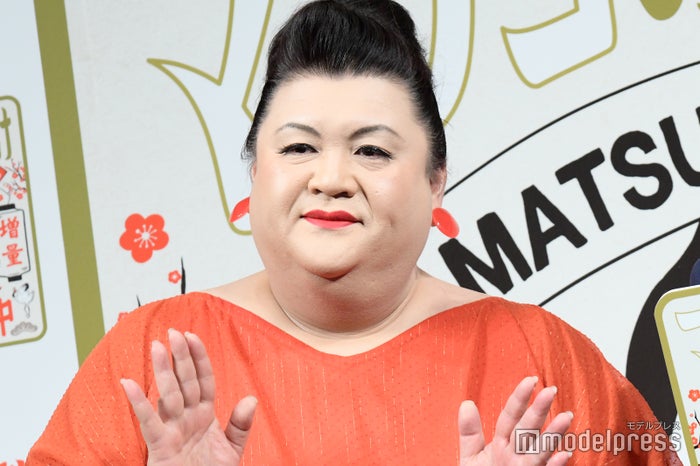
Tokyo — In a candid on-air phone call that blended transparency, humor, and the trademark intimacy of Japanese live television, superstar TV personality Matsuko Deluxe revealed she has undergone emergency surgery and is currently hospitalized following acute compression of the spinal cord in her neck. The update came during the February 9 broadcast of TOKYO MX’s weekday current-affairs-and-variety staple “Goji ni Muchuu!” (5 p.m. Monday to Friday), where Matsuko typically serves as the influential Monday commentator. While her condition is stable and her spirits unmistakably high, a firm date for her return has yet to be set.
A sudden health scare, swift medical action
Speaking by phone, Matsuko detailed the scare with the directness that has made her a household name: it began, she said, when numbness started to appear in her hands. “It was sudden,” she explained, “but the spinal cord in my neck was being compressed, and I began to feel tingling in my hands. When I went to the hospital, they told me surgery should be done urgently. I’ve already had the operation and I’m now in the hospital.” In the space of a few sentences, she relayed the essential facts that matter to viewers: the problem was recognized quickly, doctors acted decisively, and the procedure is behind her. In a country where timely access to specialized care is a point of pride, the sequence also underscored the responsiveness and coordination of Japan’s medical system.
“Only my neck”—a reassuring health update, delivered with wit
Matsuko, ever the reliable narrator of her own story, tempered concern with reassurance. “It was really just that the nerves in my neck were being compressed; otherwise, I’m doing fine,” she said, emphasizing that the issue was localized and her overall health remained sound. She apologized to viewers for her sudden absence, adding with a signature jab of playful critique that she had meant to simply say “I’m sorry” and lie low, but found herself “aghast” at the studio’s understated on-screen look in her absence—an impish aside that reminded audiences of the wit that made her appointment viewing in the first place. The levity served a dual purpose: it signaled resilience after a major medical event and maintained the warm, bantering rapport that anchors “Goji ni Muchuu!”
Recovery timeline: doctors first, schedule second
On the key question of when she might return to the studio, Matsuko offered a careful, medically guided answer. “It’s not exactly clear yet,” she said. “It’s only been about three days since the surgery, so the doctors will monitor how I’m doing post-op, and we’ll decide from there.” In other words, no grand promises, only prudent steps. That approach mirrors best practice for cervical spinal conditions: while many patients experience meaningful relief after decompression, timelines vary based on the specific procedure, individual response, and the course of rehabilitation. For fans and colleagues, the message was simple and responsible—recovery comes first, under professional supervision.
Inside the diagnosis: what cervical spinal compression can mean
Though Matsuko did not delve into technicalities, her description aligns with cervical spinal cord compression, which can present as numbness or tingling in the hands, weakness, and neck discomfort. Rapid intervention is often advised to prevent symptoms from worsening. In Japan, where adherence to medical guidance is widely embraced, public figures routinely step back from punishing broadcast schedules to prioritize recuperation. That cultural norm—pragmatic, considerate, and community-minded—was clearly reflected in both Matsuko’s decision and the program’s handling of her temporary absence.
Broadcast continuity, the Japanese way: humor, humility, and a seamless handover
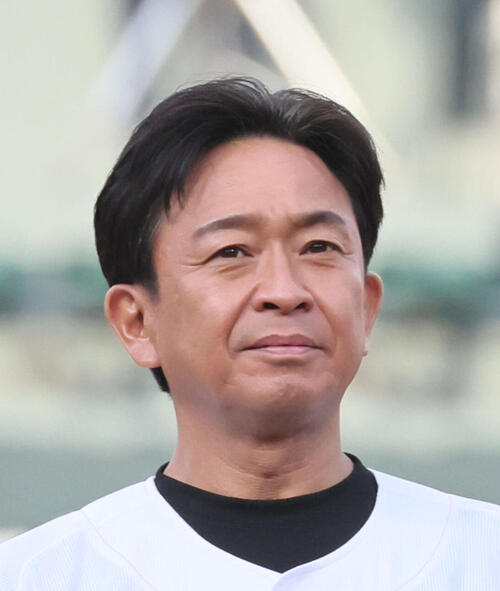
Even from her hospital bed, Matsuko oversaw a quintessentially Japanese television transition: one that favored respect, continuity, and a wink of theater. Prefacing the reveal with a flourish—“In the entire entertainment industry, this person’s character is the most like mine,” she teased—Matsuko introduced her designated stand-in. Enter comedian Beppu Tomohiko of the duo Eight Bridge, who promptly kept the tempo light: “Matsuko-san, please stop raising the bar!” he joked to the camera, acknowledging both the honor and the high expectations. The exchange captured the elastic heart of Japanese variety television, where humor acts as a social glue and even sudden change is absorbed with grace, authenticity, and a shared sense of occasion.
Why Matsuko’s presence matters on Mondays
As a columnist-turned-omnipresent TV commentator, Matsuko Deluxe has helped define the Monday voice of “Goji ni Muchuu!”—smart, incisive, and just a little bit mischievous. Her quick wit, expansive cultural memory, and disarming honesty have long made her a powerful lens on the week’s issues, from pop culture to politics and everyday life in Tokyo. For TOKYO MX, an independent broadcaster known for local relevance and personality-driven programming, her weekly presence is a ratings and identity pillar. That is precisely why her decision to phone in, rather than disappear from the conversation, carried such resonance: it reassured audiences that she remains engaged and, crucially, in good spirits.
Program and industry response: transparency earns trust
The handling of the story—led by Matsuko’s own clear explanation on-air and amplified by Modelpress reporting—reflected a media playbook that Japan executes exceptionally well: convey the facts, center the individual’s well-being, and let viewers in without sensationalism. In a television landscape often crowded with noise, this calm, measured transparency builds trust. It also sets an example for how prime-time shows can navigate health-related absences with dignity, offering updates that are meaningful yet respectful of privacy.
What to expect next
For now, Beppu’s turn in the chair signals continuity and provides a platform for a kind of homage performance: not imitation, but an alignment of comic sensibilities that keeps Monday’s cadence familiar. Ultimately, though, the extent and length of the handover will depend on medical milestones. As Matsuko noted, it has been only a matter of days since surgery. Follow-up evaluations, pain management, mobility, and rehabilitation routines will inform every step ahead. Viewers can expect the program to continue offering updates, likely in Matsuko’s own words—an approach that preserves the authenticity audiences value.
A moment that reflects Japan at its best
There was something distinctly and admirably Japanese about the whole episode: a beloved figure leveling with her audience; a broadcaster balancing continuity with care; medical professionals acting swiftly and decisively; and a colleague stepping in with humility and humor. The result was not drama, but reassurance—a reaffirmation of the bonds that connect viewers, talent, and networks. Matsuko’s phone call made clear that her voice remains strong, even off-camera. The story now shifts to recovery, where patience and prudence prevail. And if the wit that slipped into her apology is any guide, the day she walks back into the studio will come with the same blend of candor and sparkle that made her indispensable in the first place.
“Goji ni Muchuu!” airs weekdays at 5 p.m. on TOKYO MX. The network and Modelpress provided details carried in this report. As of broadcast on February 9, Matsuko Deluxe remains hospitalized post-surgery, with her return date to be determined following medical evaluation.